52 articles to prepare your trip
A volcanic caldera 160 km west of Addis Ababa, Wenchi Crater Lake combines an Orthodox monastery on an island, natural hot springs, and a mountain forest populated with black-and-white colobus monkeys.
In the Omo Valley, the Tsemay people perpetuate an agro-pastoral lifestyle between round-hut villages and multi-ethnic markets. An authentic territory, accessible from Jinka by 4x4 with a local guide.
Carved into rock on a hilltop north of Aksum, the tombs of Kaleb and Gebre Masqal are two royal hypogea from the 6th century that stand as testimony to the grandeur of the Christian Aksumite kingdom.
The Tekezé carves one of Africa's deepest gorges between the Tigray and Amhara regions. Raw landscapes, wild fauna, and complete isolation await travelers seeking untamed nature off the beaten path.
Between Lakes Abaya and Chamo, Nechisar National Park brings together zebra plains, giant crocodiles, and over 180 bird species within a few kilometers of Arba Minch.
Seat of the Ethiopian presidency, Menelik II Palace is the historic birthplace of Addis Ababa. Founded in the late 19th century, it embodies resistance to colonization and the unification of the nation.
Jinbar Waterfall cascades into the gorges of the Simien Mountains in northern Ethiopia, within a UNESCO-listed national park. An alpine-altitude site reached by hiking, surrounded by geladas and basalt cliffs.
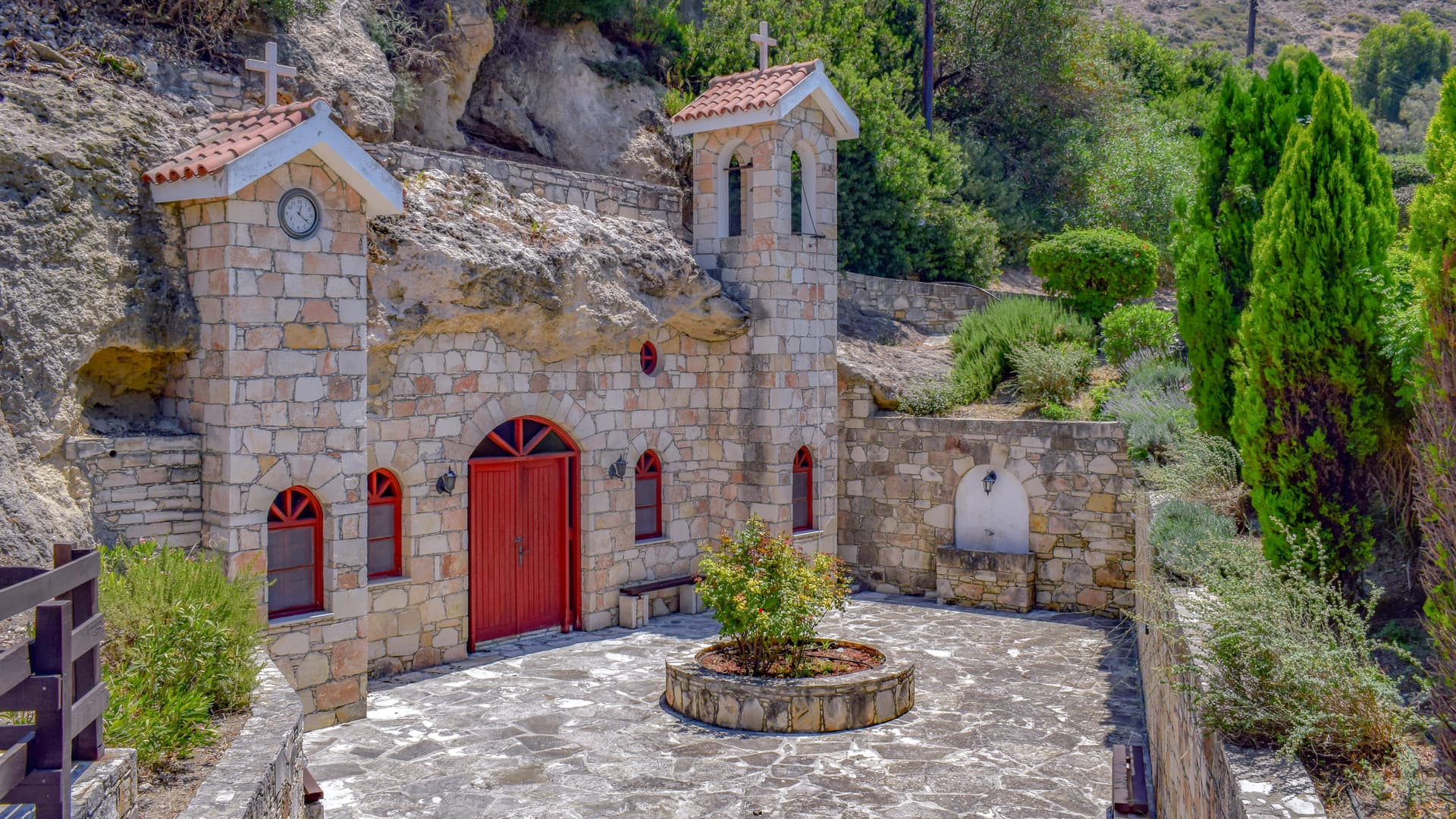
Perched at the summit of a sandstone cliff in Tigray, Imet Gogo houses an active Orthodox rock-hewn church. Technical ascent, ancient murals, and commanding views across the Gheralta massif.
The Gheralta Massif in Tigray is home to dozens of rock-hewn churches carved into red stone, including Abuna Yemata Guh with its Byzantine frescoes perched at over 2,500 m altitude.
Hidden within a basalt grotto some twenty kilometers from Lalibela, the church of Yemrehana Krestos is one of Éthiopie's best-preserved Christian buildings, predating the famous rock-hewn churches.
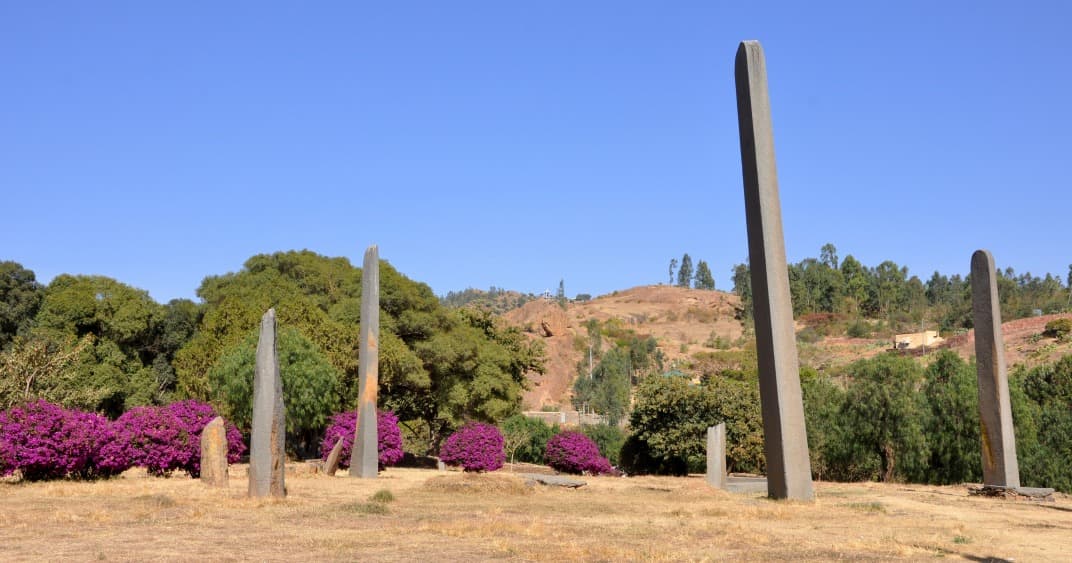
At the heart of Aksum, the granite stelae of the Aksumite kingdom rank among the most imposing funerary monuments of African antiquity. A UNESCO-listed site not to be missed in northern Éthiopie.
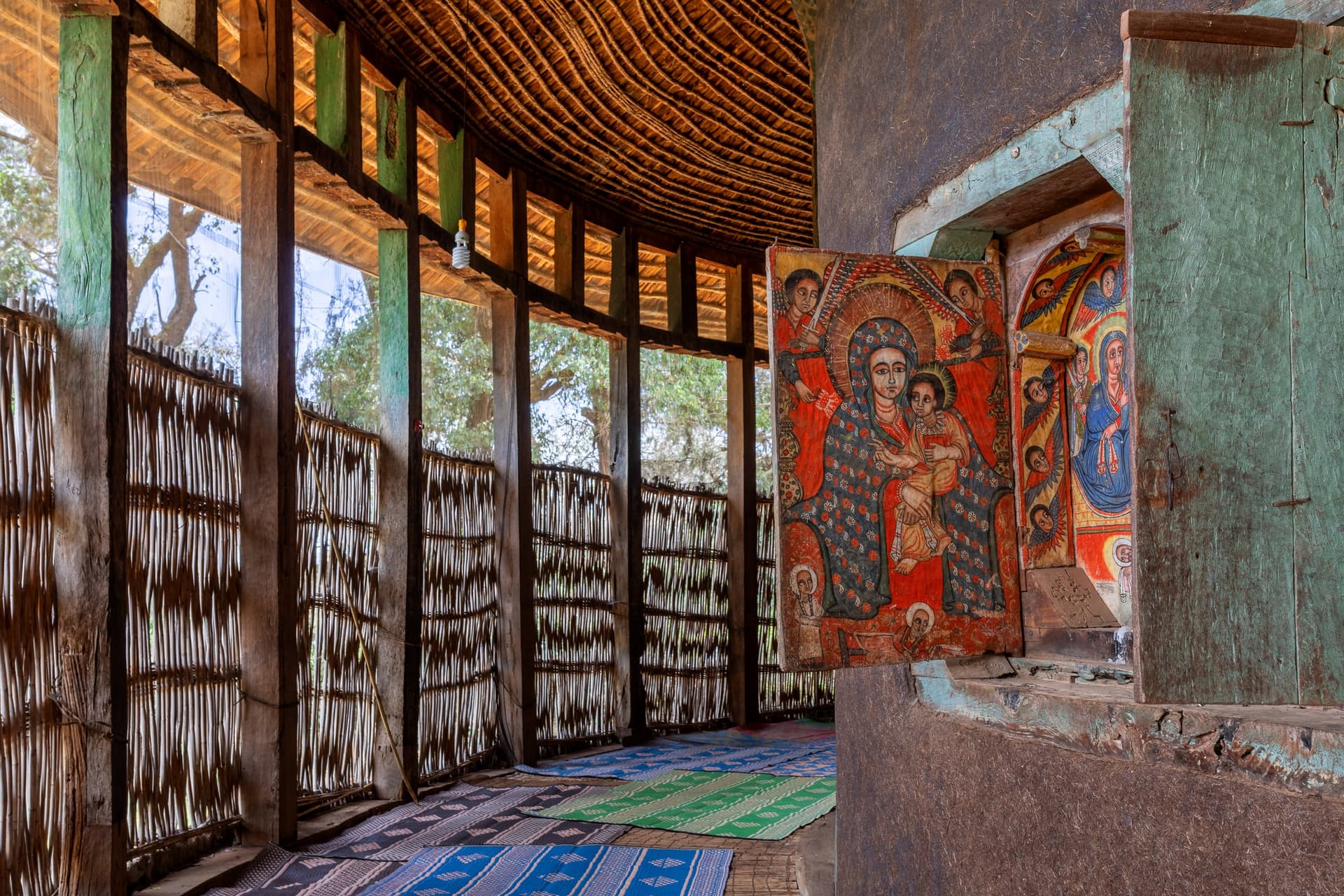
On the Zege peninsula, accessible by boat from Bahir Dar, Ura Kidane Mehret church houses some of Éthiopie's best-preserved Ethiopian Orthodox frescoes, nestled in tropical forest on the shores of Lake Tana.
The Sof Omar Caves, carved by the Web River in Oromia region, form one of Africa's longest karst networks. A geological site and Muslim pilgrimage destination, the caves require a mandatory local guide for visits.
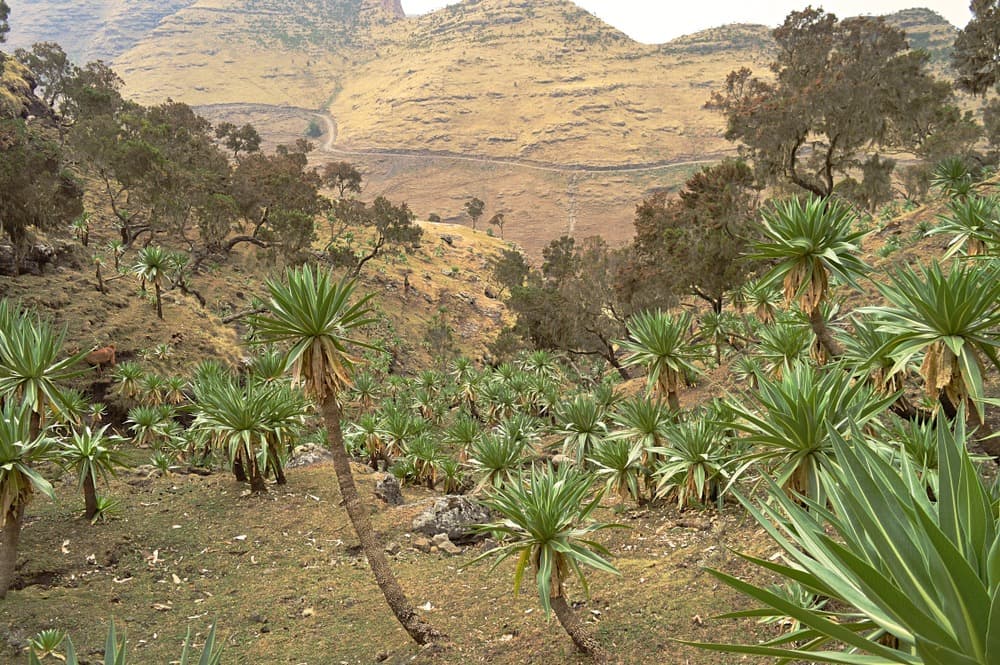
At 4,550 metres altitude in the Simien massif, Ras Dashen is the roof of Éthiopie and Africa's fourth-highest peak. A demanding trek through dramatic cliff landscapes and rare endemic wildlife, designated a UNESCO World Heritage Site.
In the heart of Aksumite, granite stelae from the Aksumite kingdom rise to 24 meters. These funerary monuments, 1,700 years old and UNESCO-listed, bear witness to an ancient civilization that dominated trade routes between Africa and the Mediterranean.
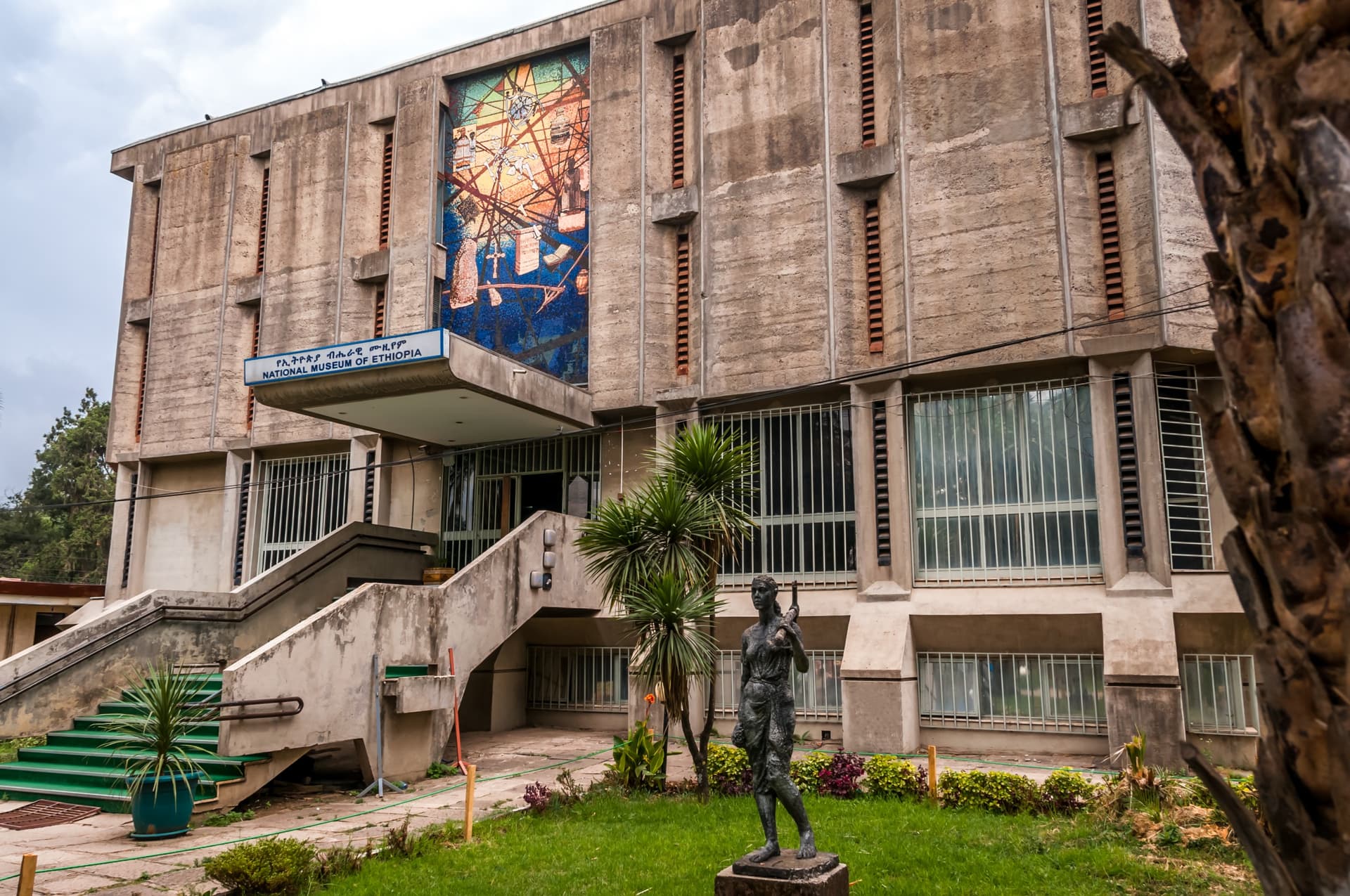
The National Museum of Ethiopia in Addis Ababa houses the cast of Lucy, 3.2 million years old, as well as unique imperial and ethnographic collections documenting Ethiopian civilization.
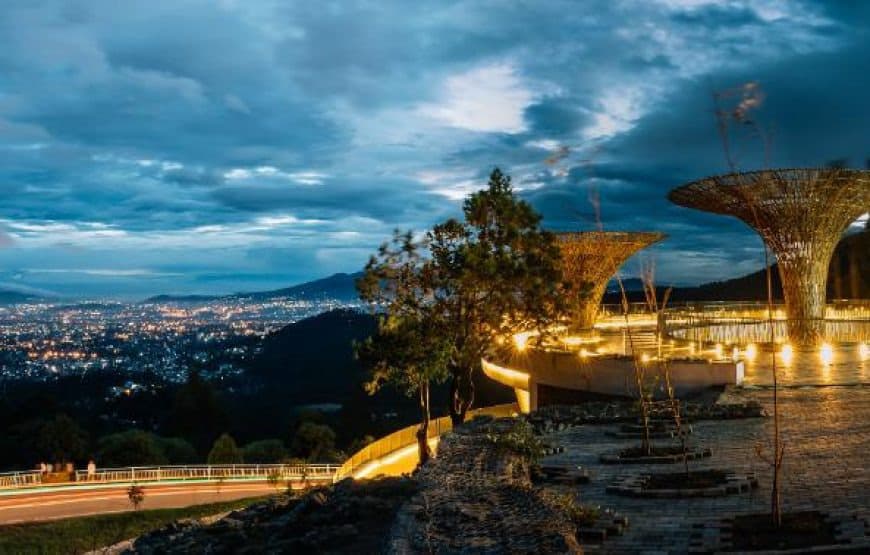
At 3,000 meters above Addis Ababa, the Entoto Mountains blend eucalyptus forest, 19th-century Orthodox churches and sweeping panoramic vistas across Ethiopia's bustling capital.
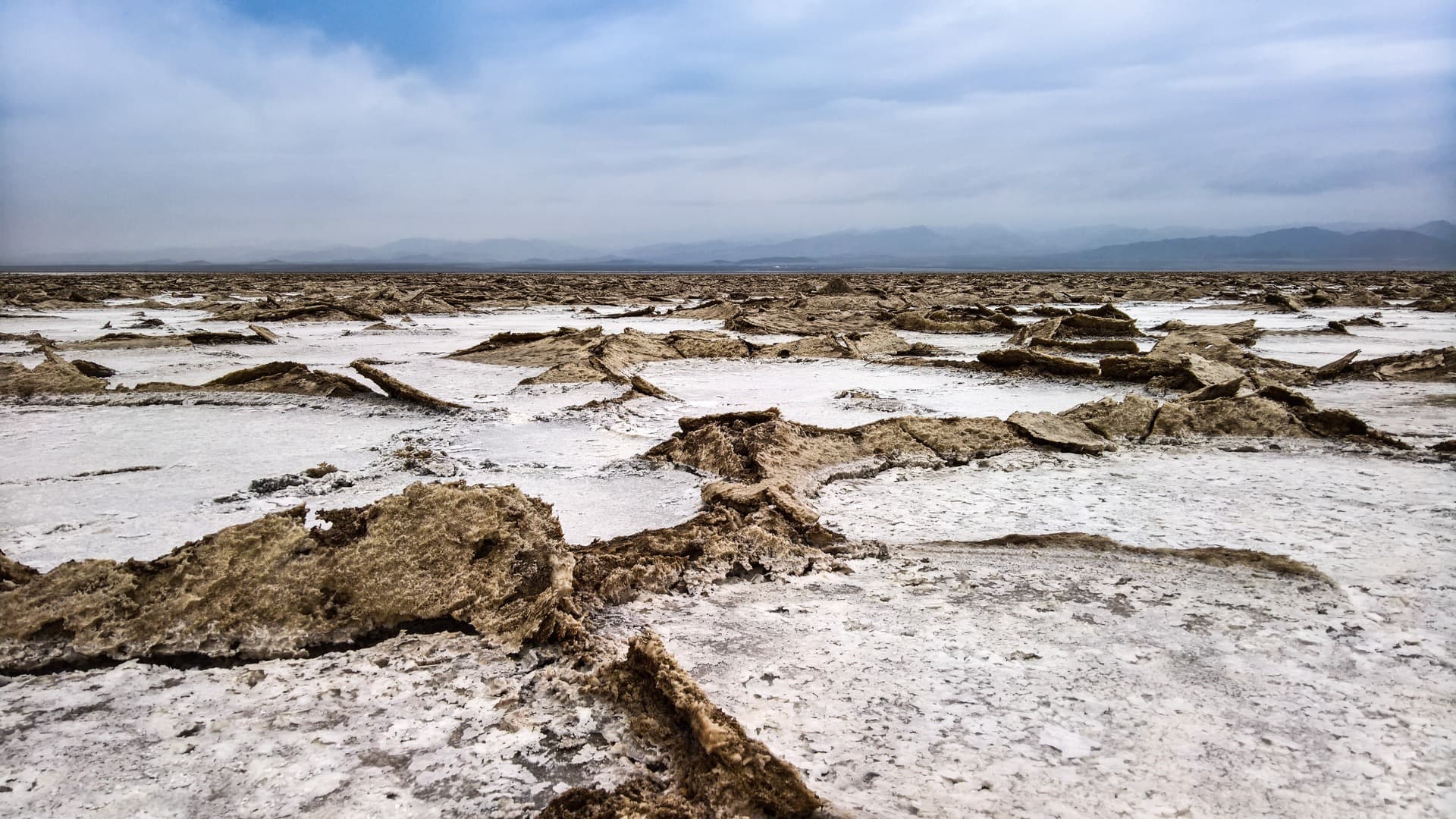
In the Danakil Depression, 120 meters below sea level, Lake Assal spreads its white salt crusts between volcanoes and desert. Afar caravans still carve salt blocks by hand here, as they have for centuries.
18 of 52 results
We use cookies to improve your experience and measure our site's audience. You can choose what you accept. Learn more.