Ethiopia as a family: our guide to preparing your trip
Traveling to Ethiopia as a family guarantees a unique adventure in the heart of the cradle of Humanity. Before heading to one of the world's oldest nations
Traveling to Ethiopia as a family guarantees a unique adventure in the heart of the cradle of Humanity. Before heading to one of the world's oldest nations, here's a practical guide to help you prepare your trip.
Health, safety, transport, accommodation, climate… Discover everything you need to know before traveling to Ethiopia.
Safety in Ethiopia
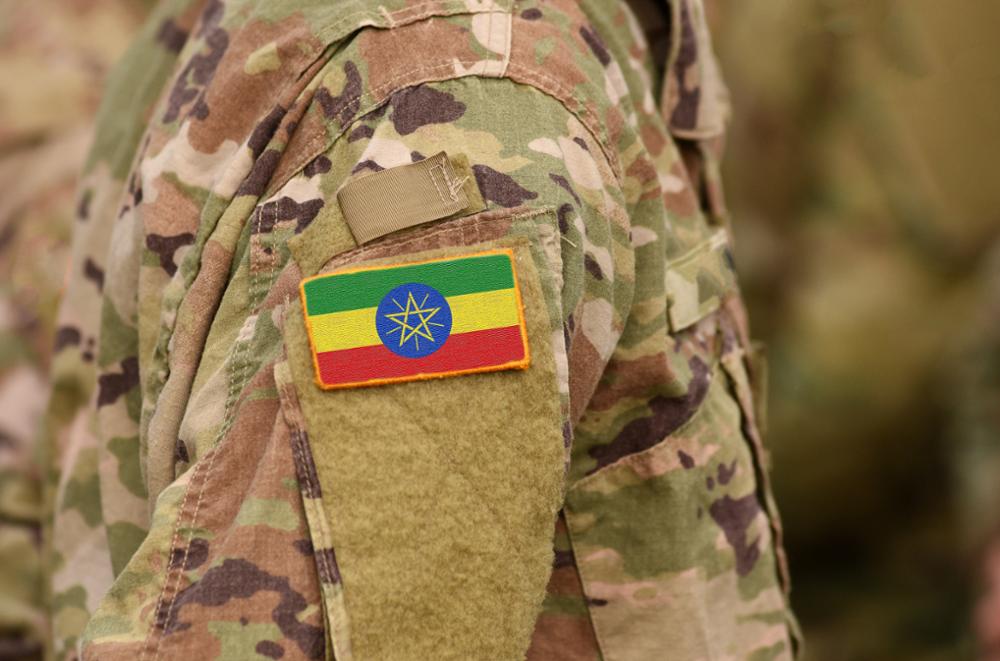
Ethiopia is not a dangerous country—it is in fact one of Africa's safest nations. You can travel there with your children with complete peace of mind.
However, certain areas are formally advised against due to tensions that may exist between local communities, particularly in border zones and the southeastern part of the country. The main tourist areas are not affected by these restrictions, so this will have no impact on your trip.
As in many countries where the population faces significant poverty, we simply advise you not to display obvious signs of wealth.
Don't hesitate to consult the French Ministry of Foreign Affairs website for real-time safety information about Ethiopia.
Health in Ethiopia
Although Ethiopia is not a dangerous country, some foreign tourists do occasionally contract illnesses. Here are a few precautions to take to travel with peace of mind:
While no vaccines are mandatory for family travel to Ethiopia, several are recommended, such as those against hepatitis A, hepatitis B, meningitis, and yellow fever.
Antimalarial treatment should be considered if you plan to travel to regions in southern Ethiopia and the Omo Valley. Otherwise, this treatment is not necessary.
We recommend drinking only bottled water, avoiding ice in beverages, and ensuring that meat and fish are well cooked. We also strongly recommend thoroughly washing fruits and vegetables with safe water if you plan to eat them raw.
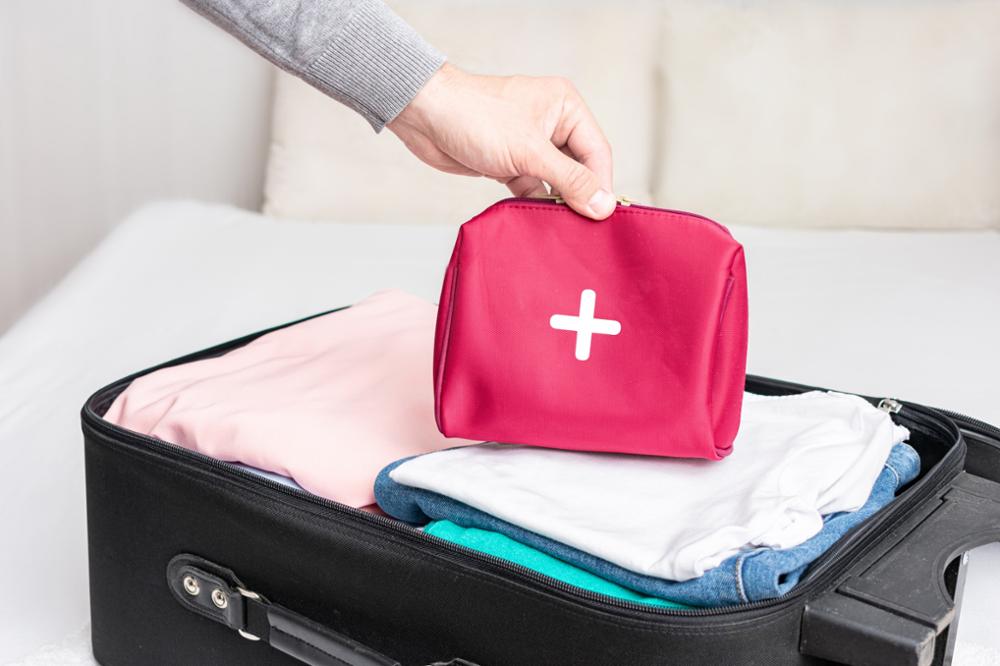
You will find it difficult to obtain medications, even generic ones, in Ethiopia. It is therefore important to bring a small first-aid kit prepared with your general practitioner to address any minor ailments while there.
What is the best time to visit Ethiopia?

The best time to visit Ethiopia spans October to April, during the dry season. Summer is best avoided—it's the rainy season and the climate is not very favorable, as temperatures are cool and humidity is uncomfortable.
What to pack for a trip to Ethiopia?
We recommend packing sun protection for everyone (hat, sunglasses, sunscreen, etc.).
For clothing, bring light, modest pieces to visit religious sites. Due to the altitude, temperatures drop fairly quickly in the early morning and evening in the capital and on the highlands. It is therefore essential to pack warm clothing.
You won't need an adapter for charging your devices, as the outlets are the same as in your home country. Remember to bring some headlamps, as power outages are fairly common in Ethiopia.
Visa
A visa is mandatory to travel to Éthiopie. You can apply through the Éthiopie Embassy or obtain an e-visa through the Ethiopian government website. It is now also possible to obtain your visa upon arrival at Addis Ababa airport.
What types of accommodation can be found in Ethiopia?
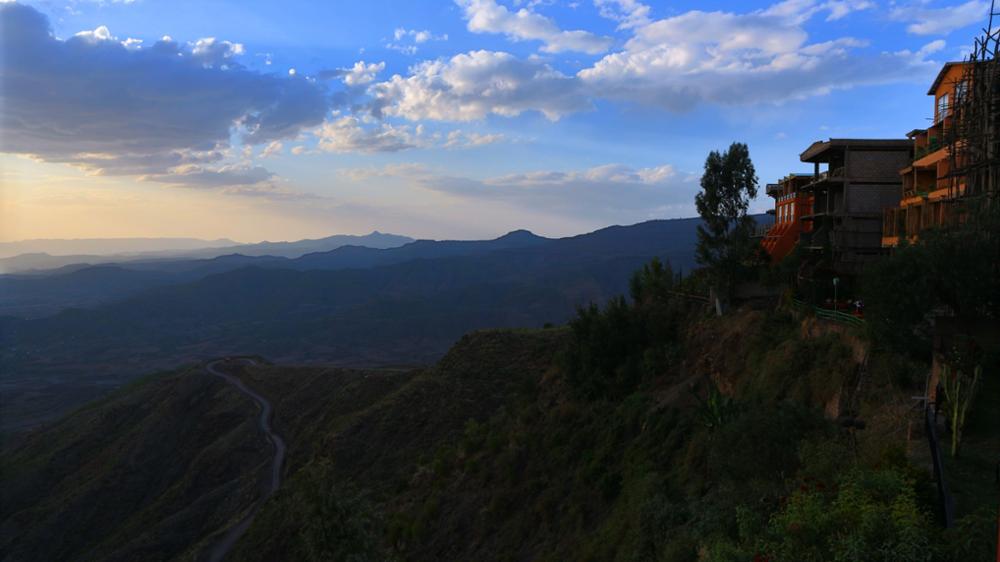
Although accommodations options have been diversifying in recent years, the selection may still be somewhat limited in certain parts of the country and within national parks. Hotels remain the most common lodging option in Ethiopia.
You will also find lodges in national parks, though they are more expensive than standard accommodations. Some lodges offer the possibility of pitching a tent for more budget-friendly stays, but this means traveling with more baggage.
Ethiopian gastronomy
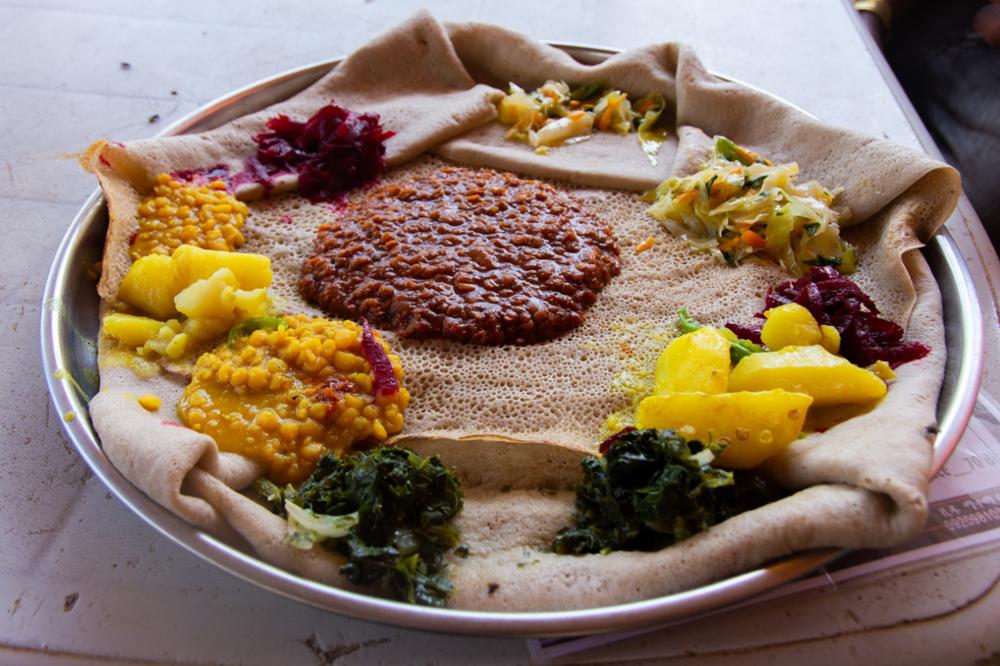
Among the fundamentals of Ethiopian cuisine is injera, a flatbread made from grain flour or teff, a grain that accompanies all dishes and is unrolled on the plate where food is then placed. Highly nourishing with a tangy flavor that may surprise you, it pairs wonderfully with traditional spiced dishes.
Inseparable from injera, wat is equally emblematic in Ethiopian cuisine. It's a spiced stew made with lamb, beef, goat, or chicken depending on the region.
It's impossible to travel to Ethiopia without experiencing a coffee ceremony, a moment of great importance that punctuates the daily life of locals. A ceremony accompanied by rituals and customs that brings family and friends together at any time of day.
Linda Martinez
Frequently asked questions
Yes, Ethiopia is considered one of Africa's safest countries for families. The main tourist areas (Lalibela, Addis Ababa, Simien...) are not subject to restrictions. It is advised to avoid border zones and the southeastern part of the country, and not to display obvious signs of wealth.
No vaccines are mandatory, but several are recommended: hepatitis A, hepatitis B, meningitis, and yellow fever. Antimalarial treatment is advised if you visit southern Ethiopia or the Omo Valley. Consult your general practitioner before departure to tailor recommendations to your children's ages.
The best time for a family trip to Ethiopia is from October to April, during the dry season. It's best to avoid the rainy season (summer), which brings cool temperatures and high humidity unsuitable for sightseeing.
A visa is mandatory to travel to Ethiopia. You can apply through the Éthiopie Embassy, via the official Ethiopian government website for an e-visa, or obtain one upon arrival at Addis Ababa airport. Remember to check what documents are required for minor children traveling with only one parent.
Pack sun protection (hats, sunglasses, sunscreen), light, modest clothing for religious sites, warm clothing for mornings and evenings at altitude, headlamps (power outages are common), and a complete first-aid kit. Outlets are the same as in your home country—no adapter needed.
Ethiopian gastronomy centers on injera, a tangy flatbread made from teff, served with wat, a spiced stew made from meat. Dishes can be quite spicy, but it's often possible to request milder versions for children. The coffee ceremony is an unmissable cultural moment.