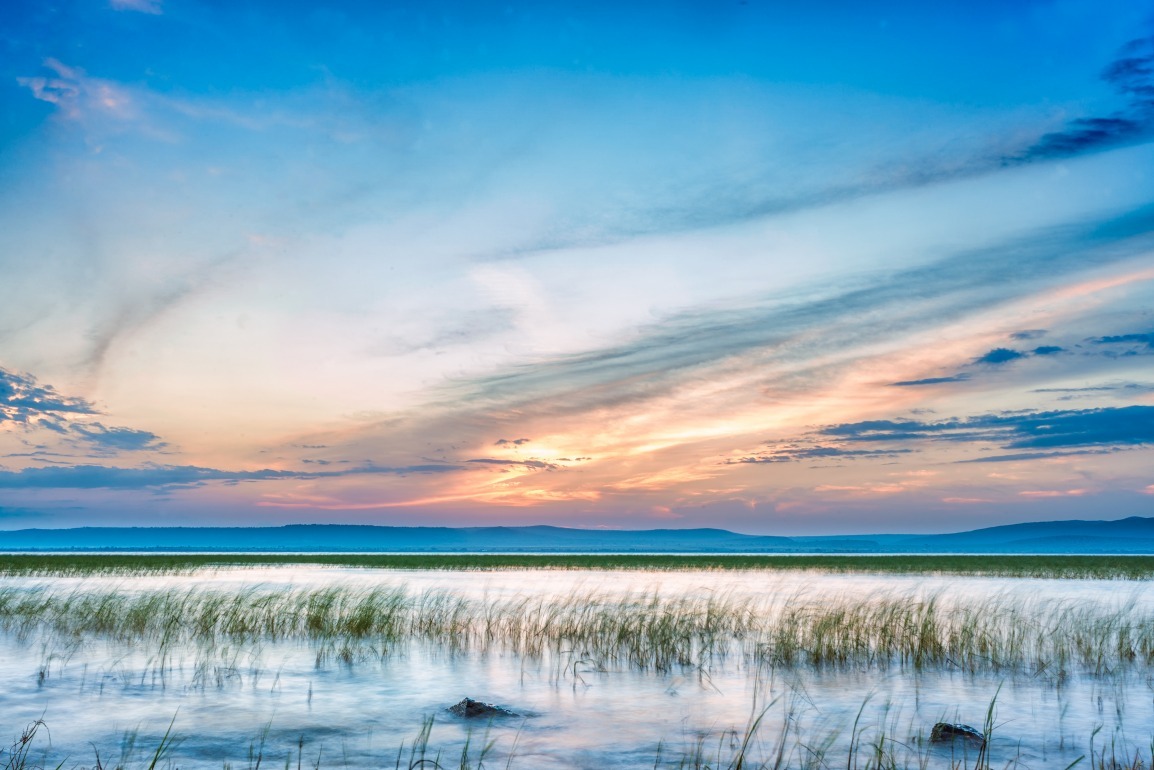
Mago National Park (from Jinka)
From Jinka, gateway to southern Éthiopie, Mago National Park opens onto wild savanna inhabited by buffalo, elephants, and Mursi communities. A remote territory, far from beaten paths.
Jinka is the gateway town to Mago National Park, nestled in the Omo Valley in southern Éthiopie. From here, visitors organize their excursions into this wild park, territory of the Mursi and Ari peoples. The journey between Jinka and the park crosses through sparsely visited wooded savanna, away from the country's conventional tourist circuits.
Essential information at a glance
- Access: Jinka is reachable by flight from Addis Ababa (regular Ethiopian Airlines flights) or by track from Arba Minch.
- Vehicle: A 4×4 with driver is essential to reach the park from Jinka; the track becomes impassable during the rainy season.
- Entry: The park charges an entrance fee collected at the gate. A local guide is mandatory within the park.
- Recommended duration: Plan for at least a full day for the round trip from Jinka with a visit inside the park.
- What to wear: Light but covering clothing, hat, sun protection; high temperatures year-round.
What you'll see
Mago National Park covers a vast expanse of savanna, gallery forest, and alluvial plains along the Mago River. You'll observe buffalo, elephants, Nubian giraffes, hippopotamuses, and numerous bird species. Wildlife remains untamed and encounters are unpredictable—this is precisely what sets Mago apart from more developed parks in the country's north.
History and context
The park was established in 1979 to protect the lower Omo Valley ecosystems, designated a UNESCO World Heritage site for its paleontological sites. The region has been inhabited for millennia by agro-pastoral peoples including the Mursi, renowned for the lip plates worn by women, and the Ari, farmers of the highlands around Jinka.
Highlights of the visit
The Jinka – Mago Park track
The journey itself is an experience: the track passes through Ari villages, rural markets, and vegetation that changes with altitude. Expect one to two hours depending on track conditions and season.
Encounters with Mursi communities
Mursi villages are accessible from the park, often included in circuits organized from Jinka. These visits are structured and fee-based; they allow direct, though highly codified, contact with one of East Africa's most photographed cultures.
Wildlife observation
The banks of the Mago River and open plains are the most productive zones. Early morning outings offer the best viewing opportunities before midday heat.
Photography tips
Golden morning light is ideal for savanna and wildlife photography. During Mursi village visits, a financial contribution is expected before any photographs—check with your guide on the current protocol. Avoid intrusive telephoto lenses during human interactions.
Location and access
Jinka lies in the South Omo zone, a region of the Southern Nations, Nationalities, and Peoples' Region (SNNPR). The town has a small airport served from Addis Ababa. From Jinka, Mago National Park is accessible northwest by track. Arba Minch, another departure point for the Omo region, is several hours away by road.
Nearby attractions
- Omo Valley — a corridor of cultural and natural biodiversity designated a UNESCO World Heritage site, worth exploring over several days.
- Arba Minch — a way station with access to Lake Chamo and Nechisar National Park.
- Key Afer Market — a weekly market bringing together multiple ethnic groups from the region, a few hours from Jinka.
Frequently asked questions
The dry season (November to February, and June to August) is the most accessible. During the rainy season, tracks often become impassable even in 4×4 vehicles.
Yes, a local guide is required at the park entrance. Your agency or hotel in Jinka can arrange one; traveling alone is not recommended.
Ethiopian Airlines operates regular flights between Addis Ababa and Jinka. The overland route is long and difficult; flying remains the most practical option.
These visits are highly structured and commercial. Choose a reputable local agency that returns part of the fees directly to the community and respect photography guidelines.
Yes, this is the classic Omo Valley circuit. Allow a minimum of five to seven days to connect the two towns while exploring intermediate markets and parks.
Want to discover this destination?
Our local advisors design your tailor-made trip.