Mago National Park
Mago National Park
In southwestern Éthiopie, Mago Park unveils 2,162 km² of savanna, iconic wildlife, and the culture of the Mursi tribe, deep in the heart of the Omo Valley.
Established in the 1970s, Mago National Park is one of Éthiopie's most recent national parks. Located in the southwest of the country, 809 km from Addis Ababa via Arba Minch and Jinka, it spans over 2,000 km² and is home to a vast array of typical African wildlife species. The park also offers breathtaking views of diverse wild landscapes. For travelers seeking escape and discovery, this Éthiopie reserve is an unmissable destination.
History
Mago National Park was established in the mid-1970s. It ranks among Éthiopie's most recently created natural reserves. With an area of 2,162 km², it is home to several iconic African animals, including elephants, giraffes, and buffalo.
The park was created with the goal of protecting elephant and giraffe populations. In 1993, during an evaluation mission, four elephant herds (numbering between 1,170 and 1,320 individuals) and more than 50 giraffes were recorded. Additionally, numerous buffalo, hartebeest, warthogs, and kudus were documented coexisting on the site. However, over time, their numbers have declined significantly due to poaching by ethnic groups living in villages on the park's periphery.
Mago National Park Today
Currently, Mago National Park is among the rare places in Éthiopie where indigenous populations and their livestock have not settled. The reason: the area is home to one of Africa's most fearsome creatures: the tsetse fly. That said, this brings certain advantages: peaceful visits, views of well-preserved wild landscapes, total immersion, and more.
As one of Éthiopie's most remote and picturesque locations, the park invites you to lose yourself in vast wilderness. Within its boundaries, you'll enjoy wandering across endless savanna plains. You'll also have the pleasure of undertaking extraordinary treks through expansive deserts stretching beyond the park's borders toward Lake Turkana. Venturing further, you can admire the prominent ridges and lush highlands surrounding the Éthiopie reserve's perimeter. Pure delight for the eyes!
A trek through Mago Park will also give you the chance to see Mount Mago. For reference, this is the region's highest point, standing at 2,528 meters. By deciding to climb this mountain, you'll enjoy panoramic views of the Mago River and its two tributaries. From the mountain's heights, you'll spot the few animals inhabiting the waters below, notably crocodiles and hippopotamuses.
Mago National Park is equally perfect for those wishing to embark on an wildlife safari. The reserve hosts a vast number of typical and iconic African animals. Among the park's stars are, of course, elephants and giraffes. You may also encounter buffalo, warthogs, kudus, and hartebeest. If you venture near the park's rivers, you'll have the great joy of spotting colobus monkeys and baboons coexisting with crocodiles and hippopotamuses. And if you're a bird enthusiast, know that the park is the natural habitat of over 150 bird species.
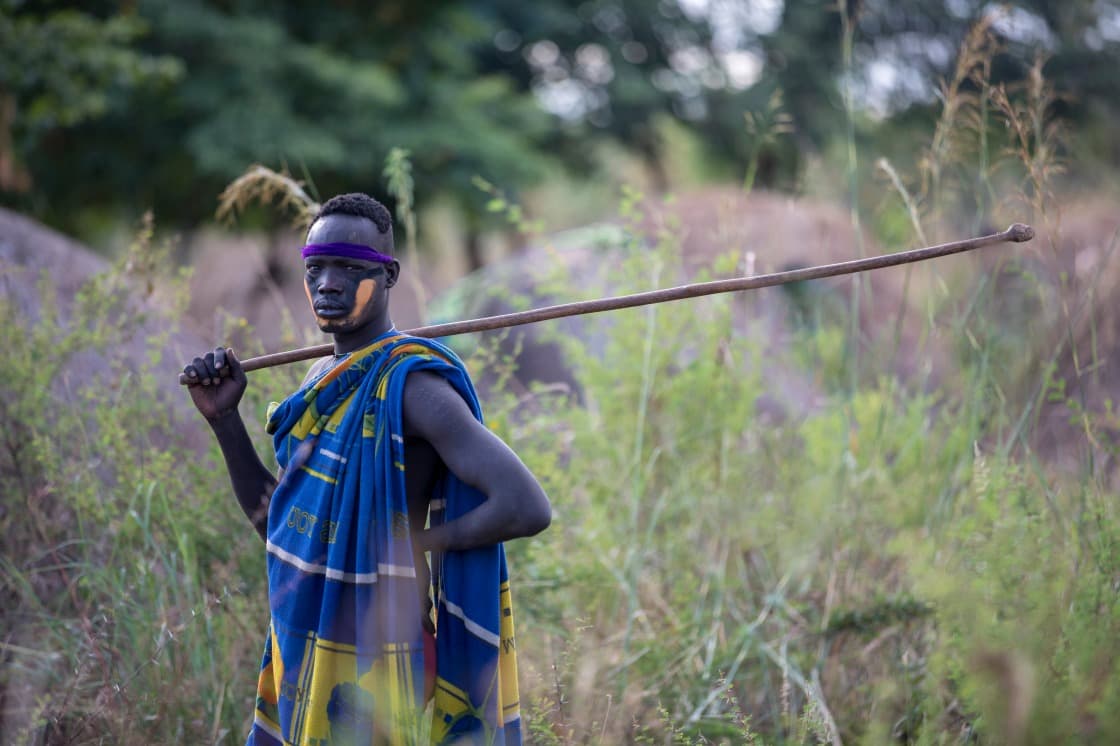
A visit to the park will also offer you the opportunity to meet different indigenous populations. Among the most renowned are the Mursi. Wish to see this ethnic group and perhaps interact with them? They live near Lake Omo, in the forested regions at the western edge of the park's periphery. By visiting the Mursi village, you'll have the chance to see the famous women who wear lip plates on their lower lips.
Climate
Planning to visit Mago National Park? Choose to travel during Éthiopie's dry season. In other words, during the months of January, February, March, April, May, June, September, October, November, and December.
Avoid July and August, as these two months mark the rainy season in the country.
Before your departure, remember to pack light clothing, a hat, and a water bottle, as the sun is always present.
You'll need to fly from Addis Ababa Airport if you wish to reach Mago National Park. You'll land in Jinka, the closest city to the park. Once there, you'll take a vehicle to the reserve.
Want to discover this destination?
Our local advisors design your tailor-made trip.