Safari in Ethiopia: Where to Spot Wildlife?
While Ethiopia may not be a safari destination at first glance, the country boasts numerous natural parks where you can organize a safari.
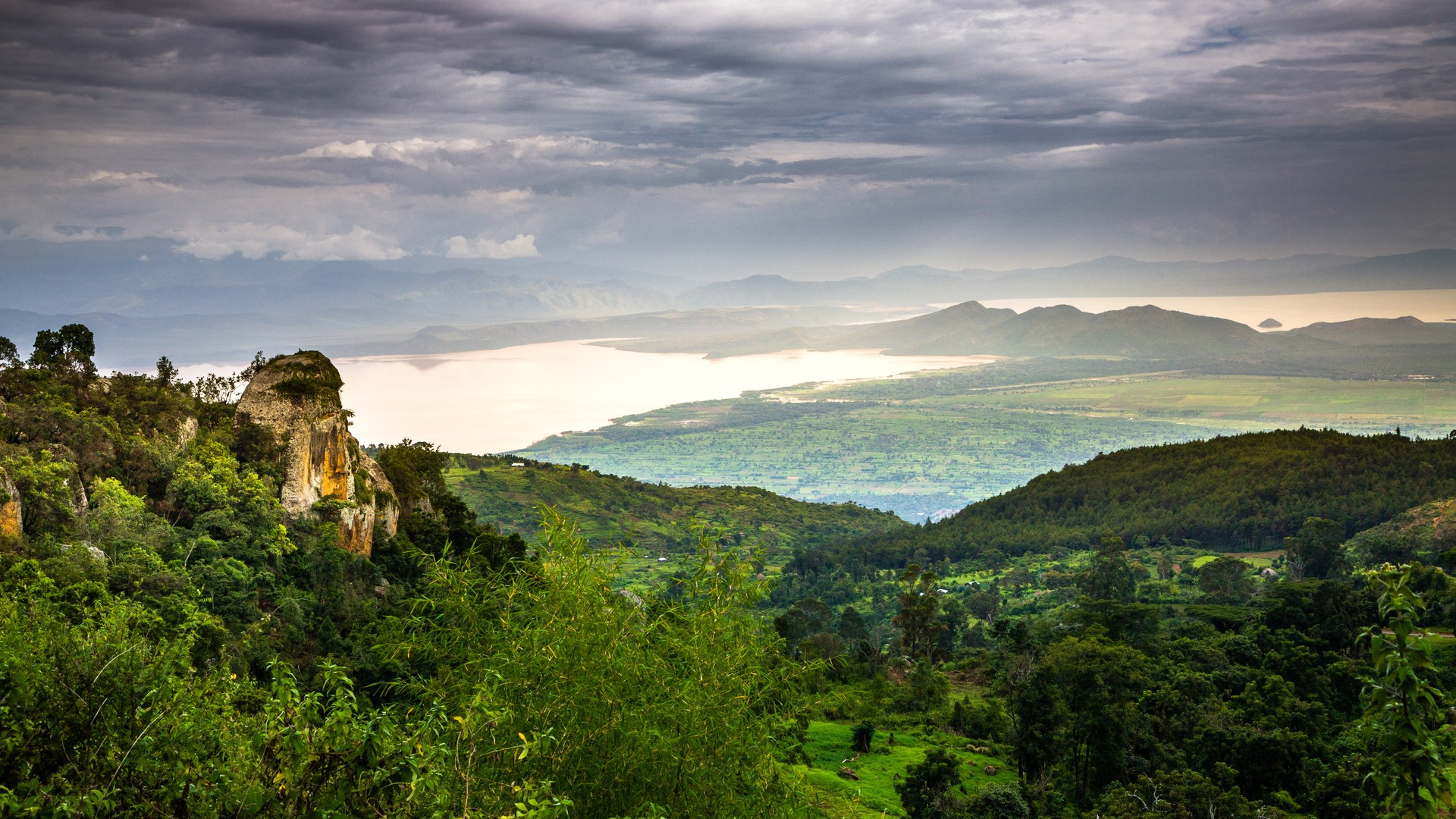
While Ethiopia may not be a safari destination at first glance, the country boasts numerous natural parks where you can organize a safari and encounter Africa's emblematic wild animals. We'll take you through the best places to spot wildlife on a trip to Ethiopia.
Wildlife Safari at Bale National Park
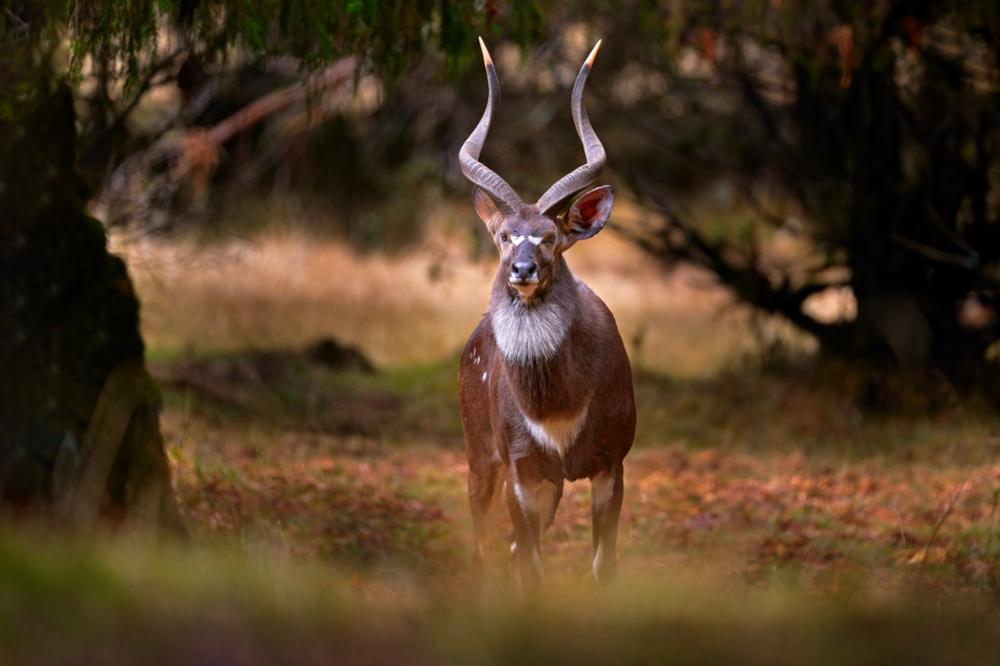
Perched between 2,500 and 4,307 meters within the country's second-highest mountain range, the Bale Mountains National Park is a biodiversity hotspot in Ethiopia. The reason is clear: the park features remarkably diverse landscapes—from humid tropical forest to afro-alpine moorland, steppes, and wetlands—creating a haven for countless animals. Spanning 515 km², the park is a sanctuary for species endemic to the region, including the Abyssinian wolf (also called the Ethiopian wolf, one of the world's rarest canids) and the mountain Nyala (a large antelope with spiral horns).
Within the Harena Forest, you'll also spot numerous primates such as the black-and-white colobus or the Bale monkey, an endangered endemic species, as well as the giant forest hog, the world's largest wild pig. When it comes to birdlife, the park's incredible avifauna earned it recognition from the African Birding Club as one of five ornithological hotspots on the continent. You can observe the blue-winged goose, Rouget's rail, wattled ibis, white-collared pigeon, yellow-fronted parrot, black-winged lovebird, and Abyssinian cat-bird, as well as the golden eagle, red-breasted shelduck, and thick-billed raven…
Wildlife Safari at Simien National Park
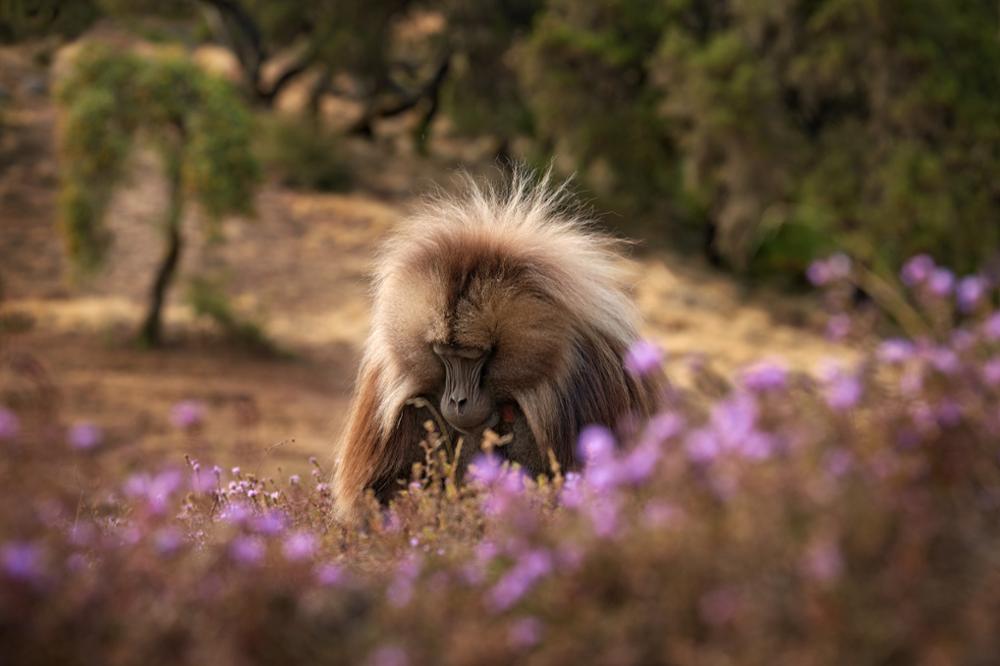
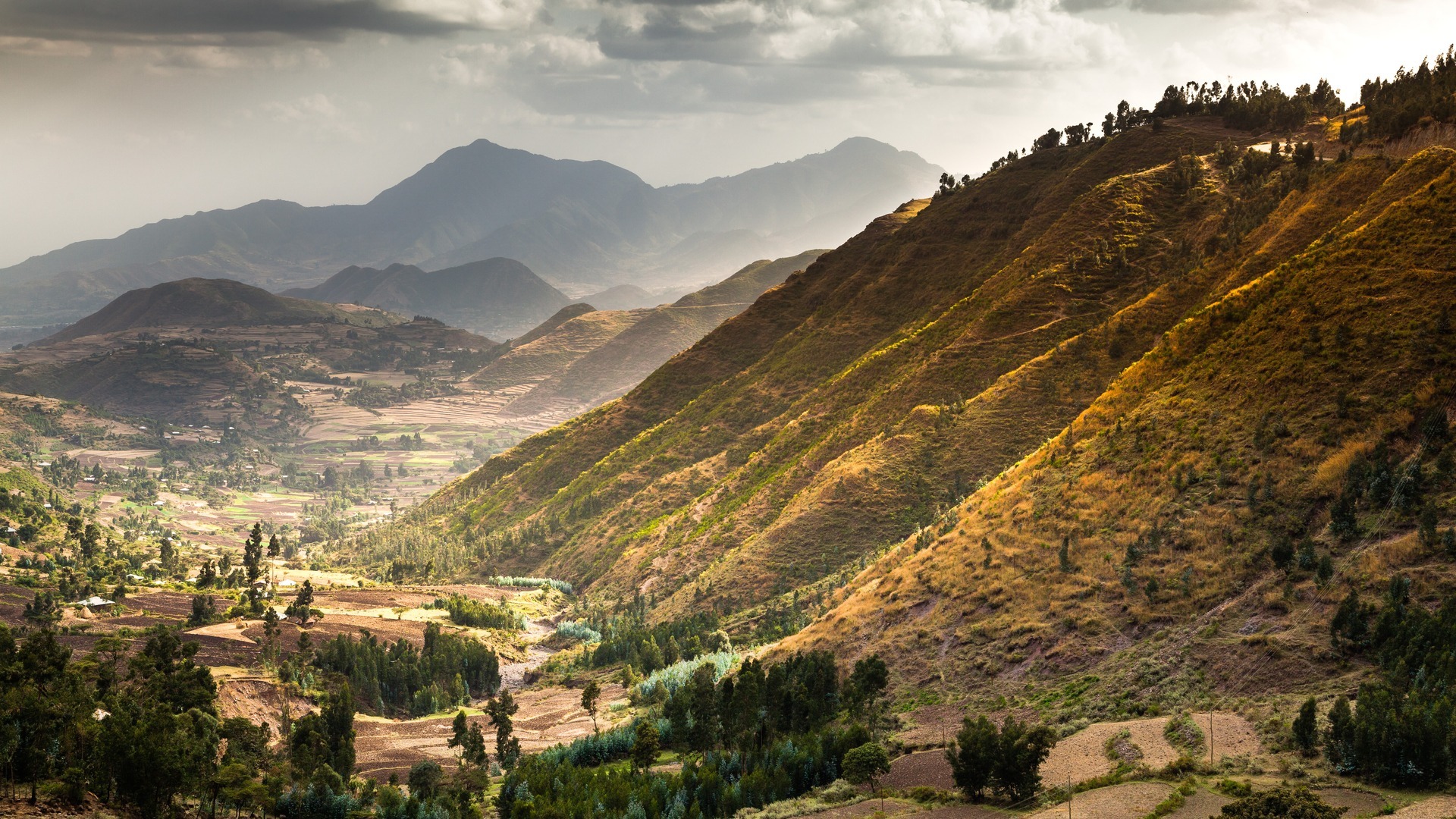
Recognized by UNESCO as «one of the world's most spectacular landscapes», the Simien National Park is an essential stop on any Ethiopian journey. Located in the heart of the Amhara region at over 3,000 meters altitude, it features majestic canyons and dazzling peaks. Beyond its breathtaking scenery, the park is renowned for its abundant wildlife, including species found nowhere else on Earth. Indeed, Simien National Park is the last stronghold of the Walia ibex, Africa's only indigenous wild goat. Among endemic species, you may also encounter the Abyssinian ibex, the gelada baboon, and the famous Ethiopian wolf.
The Simien Mountains National Park is also renowned as one of northern Ethiopia's premier birdwatching sites. The park lists no fewer than 180 species, including 5 species endemic to Ethiopia. You'll also have the chance to admire one of the world's largest birds: the lammergeier, a vulture with a 2-meter wingspan!
Wildlife Safari at Awash National Park
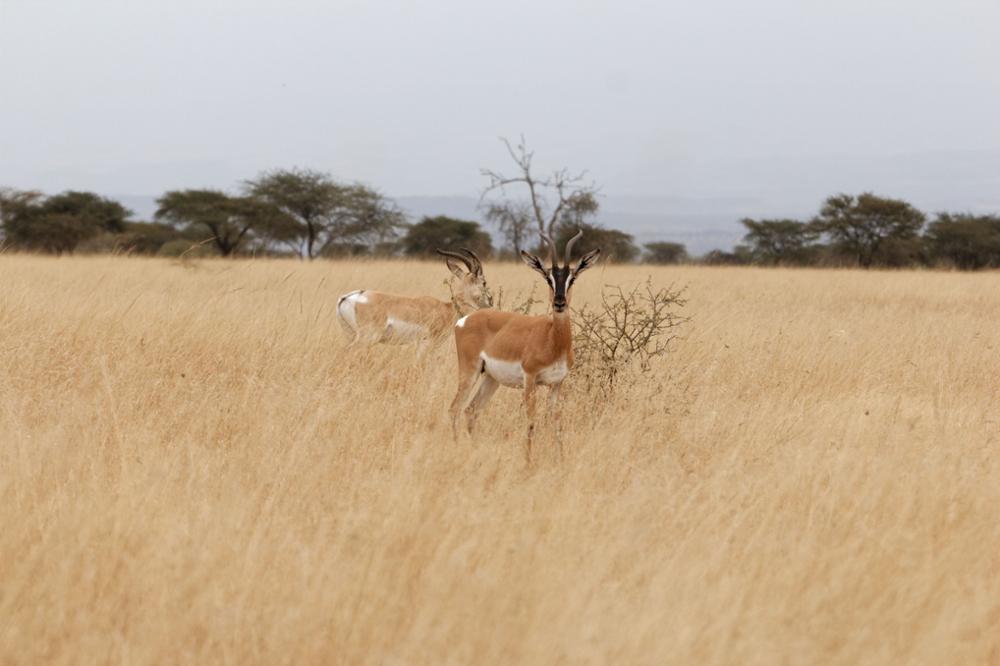
Located in eastern Ethiopia, Awash National Park is the former hunting reserve of Emperor Haile Selassie. Today, the park shelters a wealth of wild animals inhabiting these exceptional landscapes, where volcanic terrain releases fumaroles, vast savanna plateaus are dotted with hot springs, and a steep canyon winds with the Awash River.
In the semi-arid floor of the Rift Valley, you'll encounter numerous antelope species such as the beisa oryx, kudu, Soemmerring's gazelle with its long straight or twisted horns, Swayne's hartebeest, and the diminutive dik-dik. For birdwatching enthusiasts, the park boasts nearly 500 bird species, including the ostrich, Arabian bustard, swallow-tailed kite, carmine bee-eater, Abyssinian roller, and the endemic yellow-throated serin and the nearly endemic rock chatting-thrush. Finally, near the Aga Edu cave, it's possible to spot a few spotted hyenas.
Wildlife Safari at Mago Park
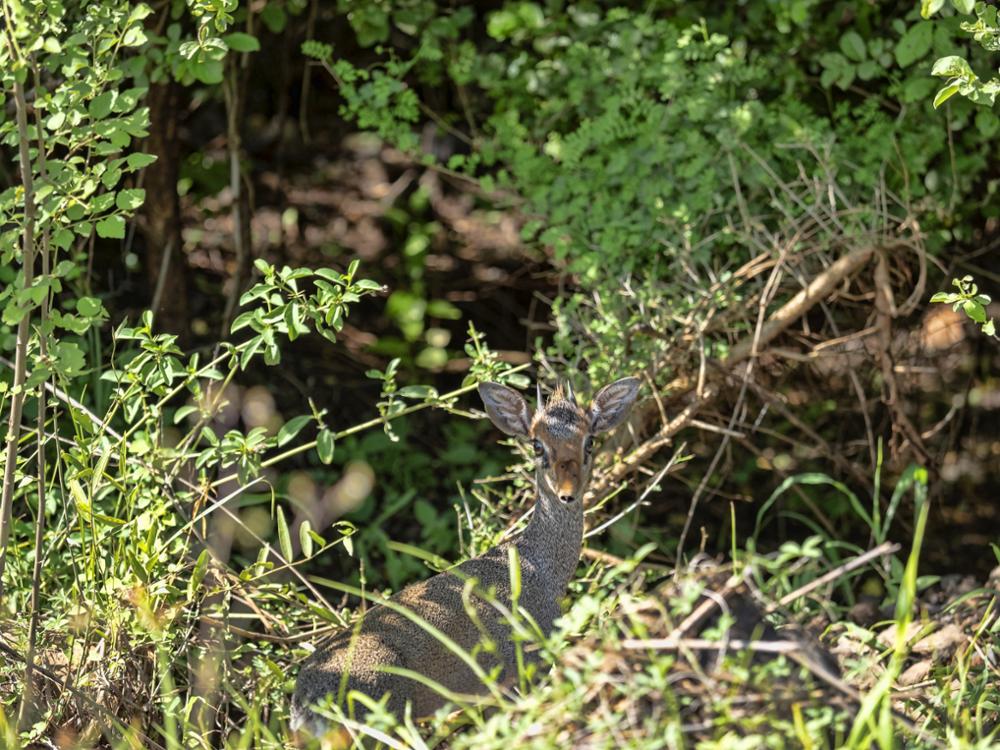
Established in 1974, the Mago National Park ranks among Ethiopia's most recent national parks. Located in the southwestern part of the country, it's one of the nation's most remote areas. The presence of tsetse flies on its territory has kept it relatively untouched by indigenous populations and their livestock. Originally, the park was established to protect elephant and giraffe populations. Unfortunately, some of the park's species still fall victim to poaching by ethnic groups living in villages on the park's periphery.
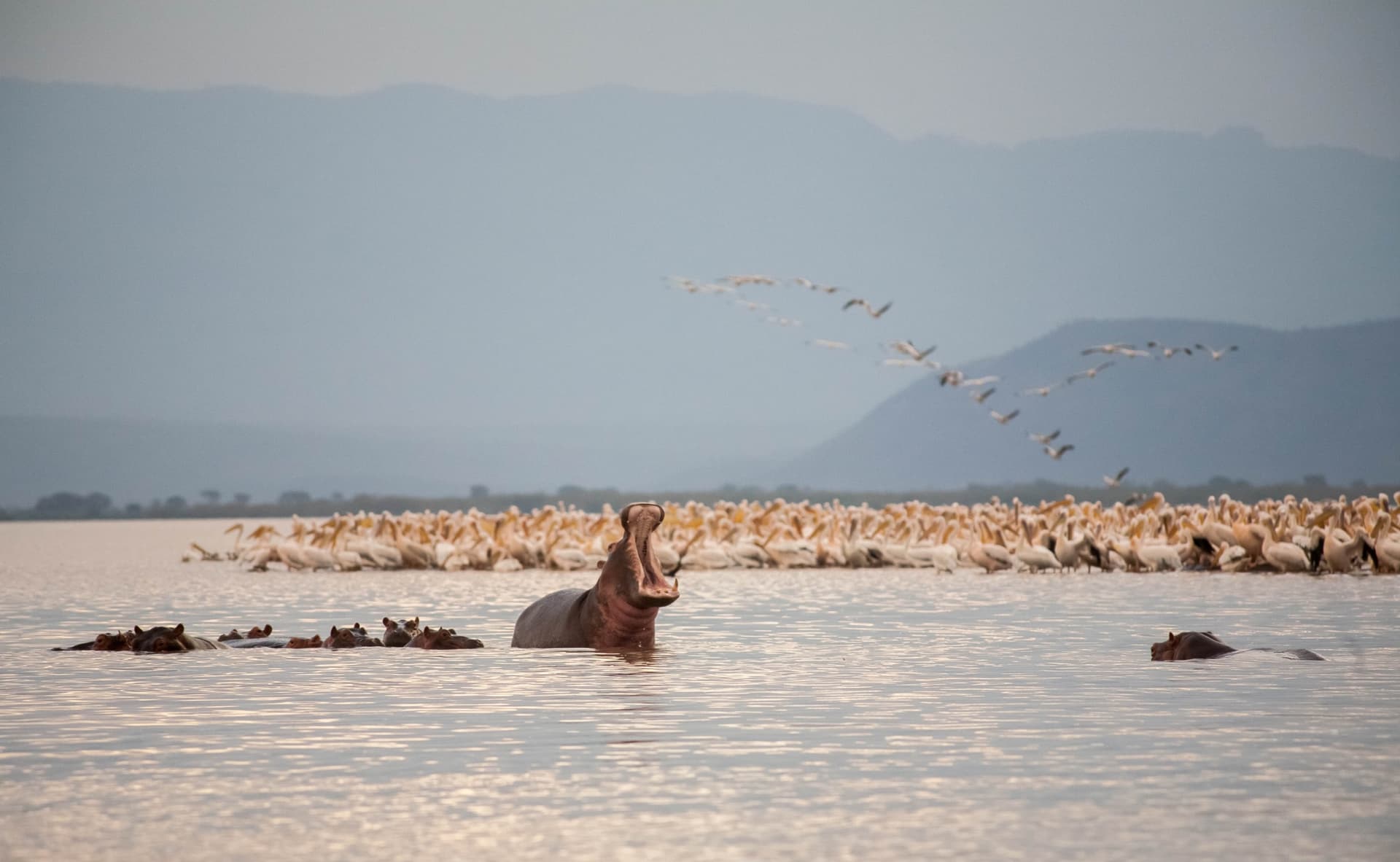
While it's therefore not guaranteed that you'll encounter herds of elephants and giraffes during a wildlife safari at Mago Park, you'll have a better chance of spotting numerous buffalo, antelope, dik-dik, warthogs, kudu, hartebeest, colobus monkeys, baboons, crocodiles, and hippopotamuses along the river. For birdwatching enthusiasts, the park is home to over 150 bird species!
Frequently asked questions
The best time to observe wildlife in Ethiopia is generally the dry season, from November to February and June to September. During these months, vegetation is less dense and animals congregate around water sources, making them easier to spot. Avoid the heavy rainy season (July-August) in the northern parks, as certain trails may become impassable.
Yes, the Ethiopian wolf (or Abyssinian wolf) can be observed in several parks throughout the country. It's notably present in the Bale Mountains National Park and the Simien Mountains National Park. It's one of the world's rarest canids, with a population estimated at fewer than 500 individuals, making each sighting exceptionally precious.
Your choice of park depends on your interests: the Bale Mountains park is ideal for endemic wildlife enthusiasts and birdwatchers (over 300 bird species). Simien park is perfect for spectacular landscapes and gelada baboons. Awash park suits antelope and birdwatching lovers with its 500 bird species. Mago park, more wild and isolated, is recommended for travelers seeking authenticity.
Ethiopia offers a very different safari experience from Kenya or Tanzania. The animals of the great migrations (wildebeest, zebras) are absent, but the country stands out for its numerous endemic species found nowhere else: the Ethiopian wolf, gelada baboon, and mountain Nyala. It's an ideal destination for travelers wishing to venture off the beaten path and discover unique fauna.
Before visiting Ethiopian national parks, it's recommended to consult a physician about necessary vaccinations (yellow fever, hepatitis A and B, typhoid). Malaria is present in certain low-lying areas such as Awash Park and Mago Park. Also note that the presence of tsetse flies in Mago Park requires wearing long-sleeved protective clothing.