7 Reasons to Visit Ethiopia
Ethiopia is a destination that captivates. Away from the crowds, this African nation is nonetheless one of those places you absolutely must visit.
Ethiopia is a destination that captivates. Away from the crowds, this African nation is nonetheless one of those places you absolutely must visit. With its surprising geological formations, its land of extremes, its history among the world's oldest, and its peoples who remain deeply traditional, Ethiopia offers endless surprises for travelers. Here are 7 reasons among many to travel to Ethiopia for a journey to the center of the earth :
Discover Spectacular Landscapes
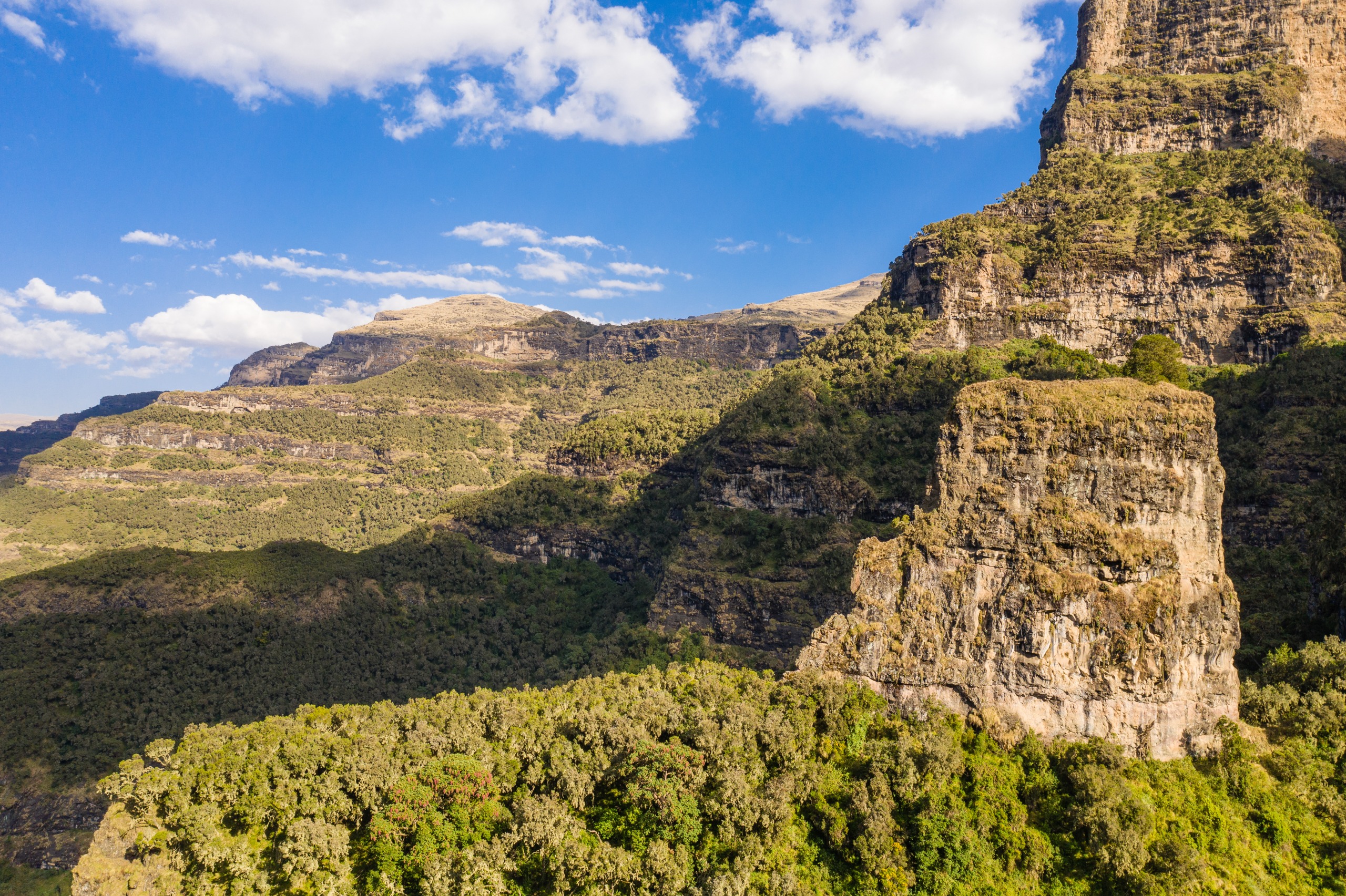
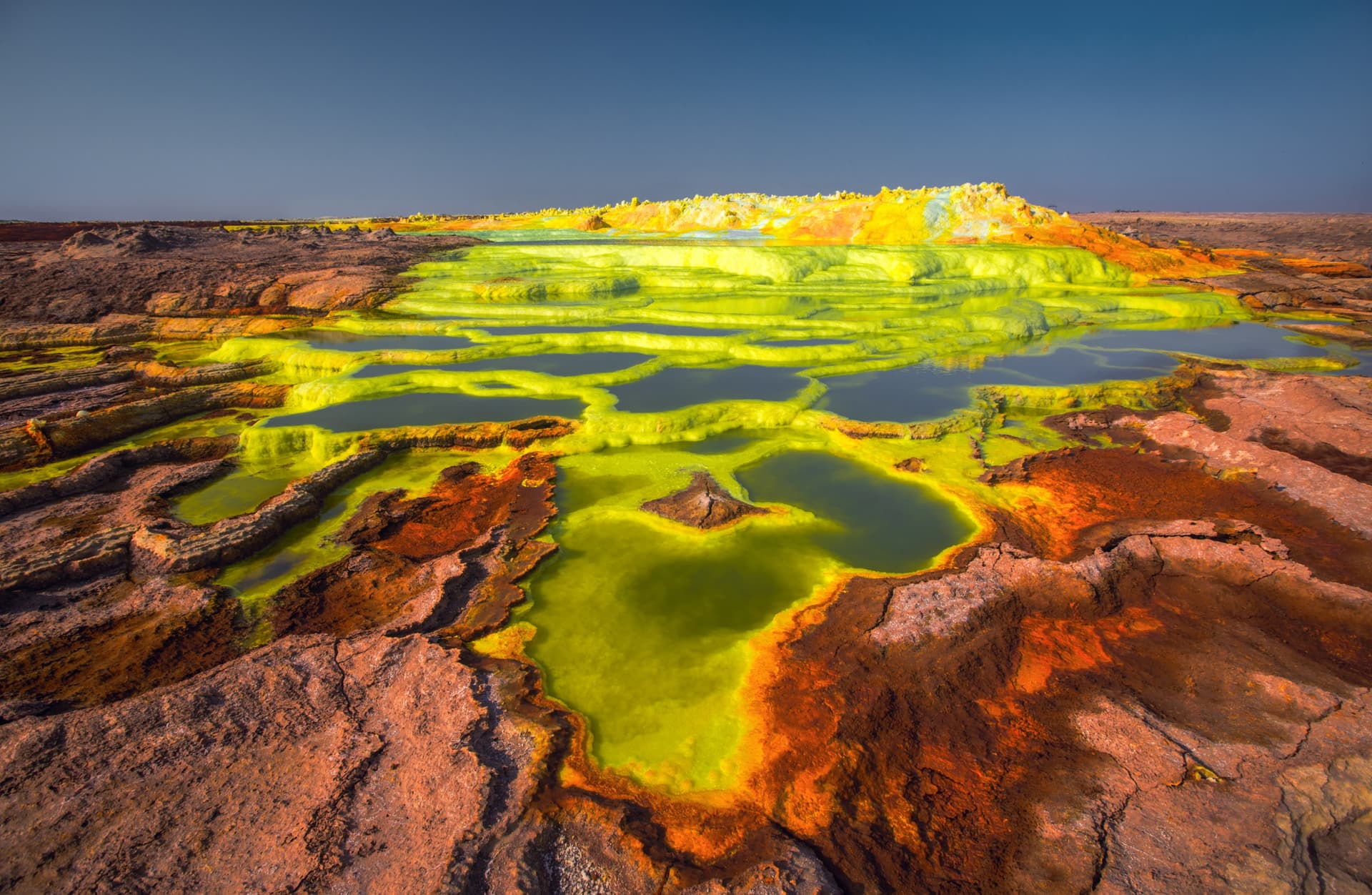
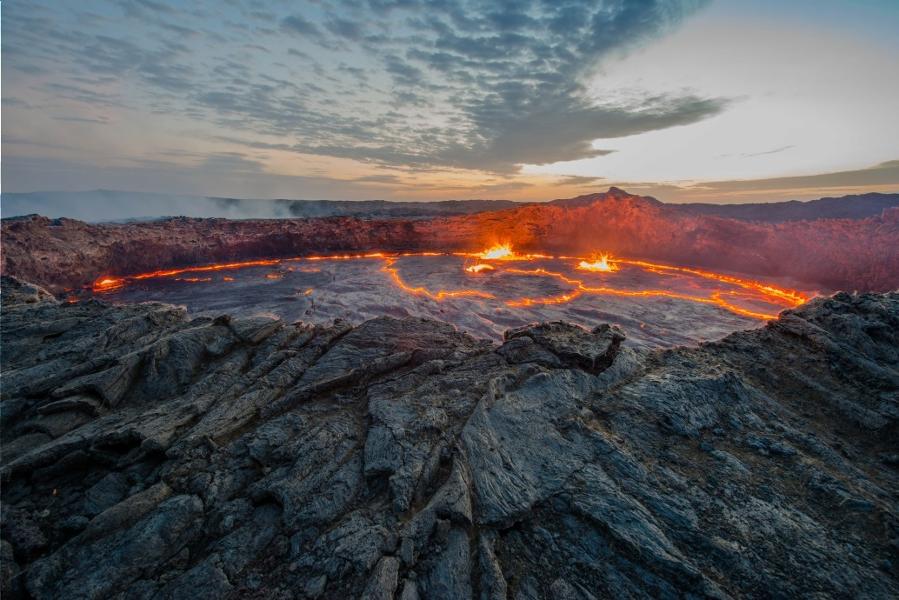
A volcanic land, Ethiopia boasts an extraordinary landscape found nowhere else on the planet. With a gradient of every color imaginable – the blues of rivers, the yellows of deserts, the greens of forests, the reds of volcanoes – Ethiopian nature is both breathtaking and awe-inspiring, home to some of the world's most remarkable geological wonders. Half of Ethiopia sits above 2,000 meters on a volcanic plateau of flawless beauty, with its highest peak reaching 4,550 meters. Among Ethiopia's most stunning natural sites are the Blue Nile Falls, also known as the "tears of God," Erta Alé volcano with its massive lava lake, and the Danakil Desert and its astounding colors.

Experience the Extremes
With an impressive collection of UNESCO-listed natural sites, Ethiopia establishes itself as a land of extremes. It is in Ethiopia, indeed, that you'll find the hottest place on Earth, the Danakil Depression, which hosts numerous active volcanoes. Breathtaking, the Danakil is a place where you confront your own strength, in a hostile territory yet teeming with life and beauty.
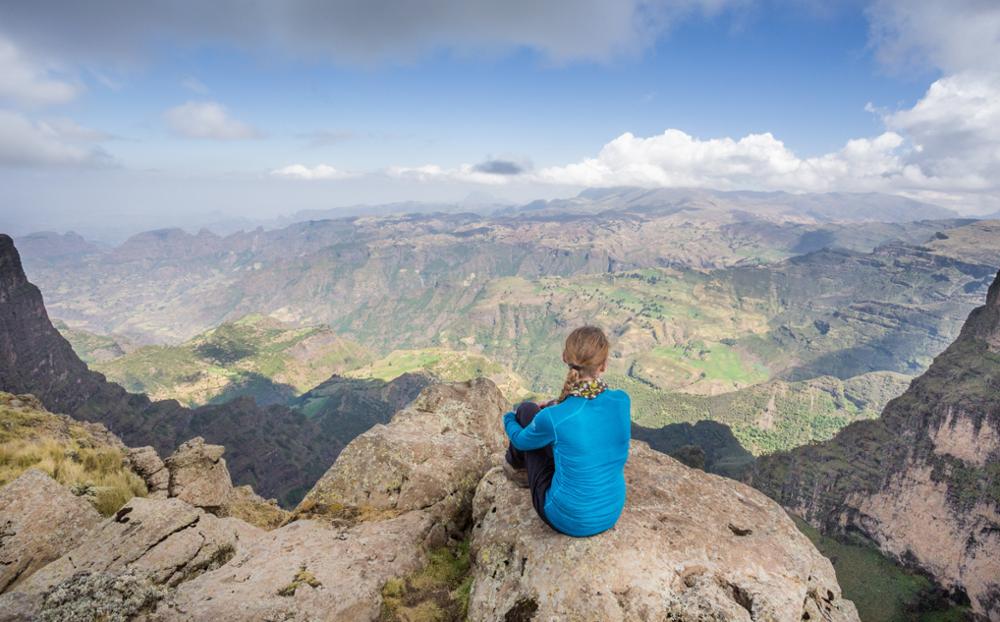
Trek Through a Land of Volcanoes
With its incredible diversity of landscapes, Ethiopia is a perfect destination for nature lovers and hiking enthusiasts. In fact, it's an ideal place to trek through wild and mysterious terrain. From one hike to another, you traverse deserts, jungles, volcanoes, and gorges while encountering rich fauna and flora. Hiking in Ethiopia offers the chance to admire stunning landscapes while observing majestic animals such as elephants and leopards and endemic species like the Abyssinian wolf and Walia Ibex. The Simien National Park, designated a UNESCO World Heritage Site for its unique ecosystem, is particularly renowned for trekking.
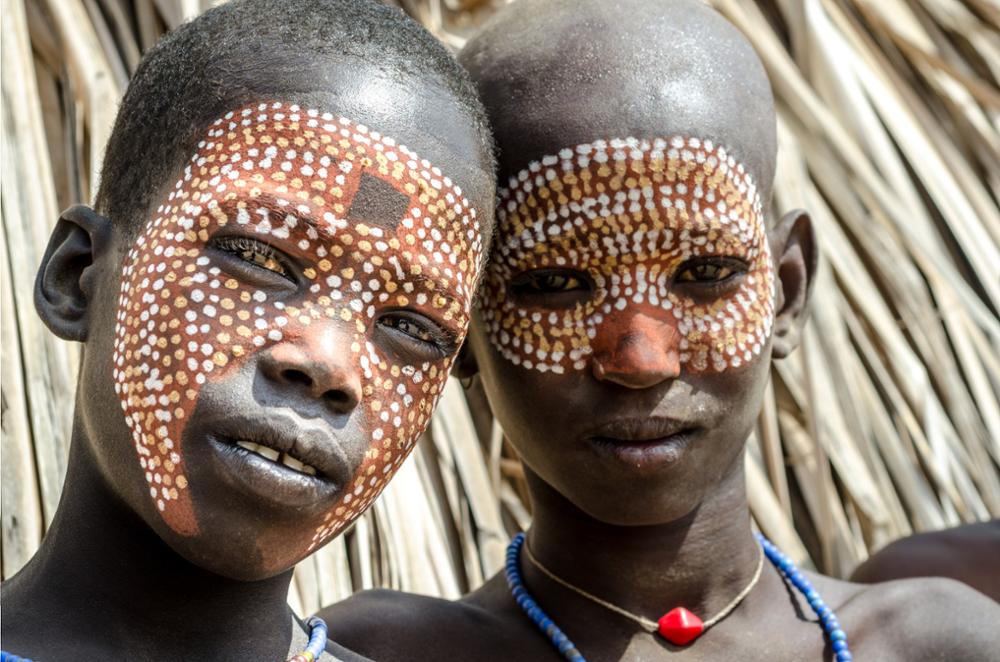
Meet Traditional Tribes
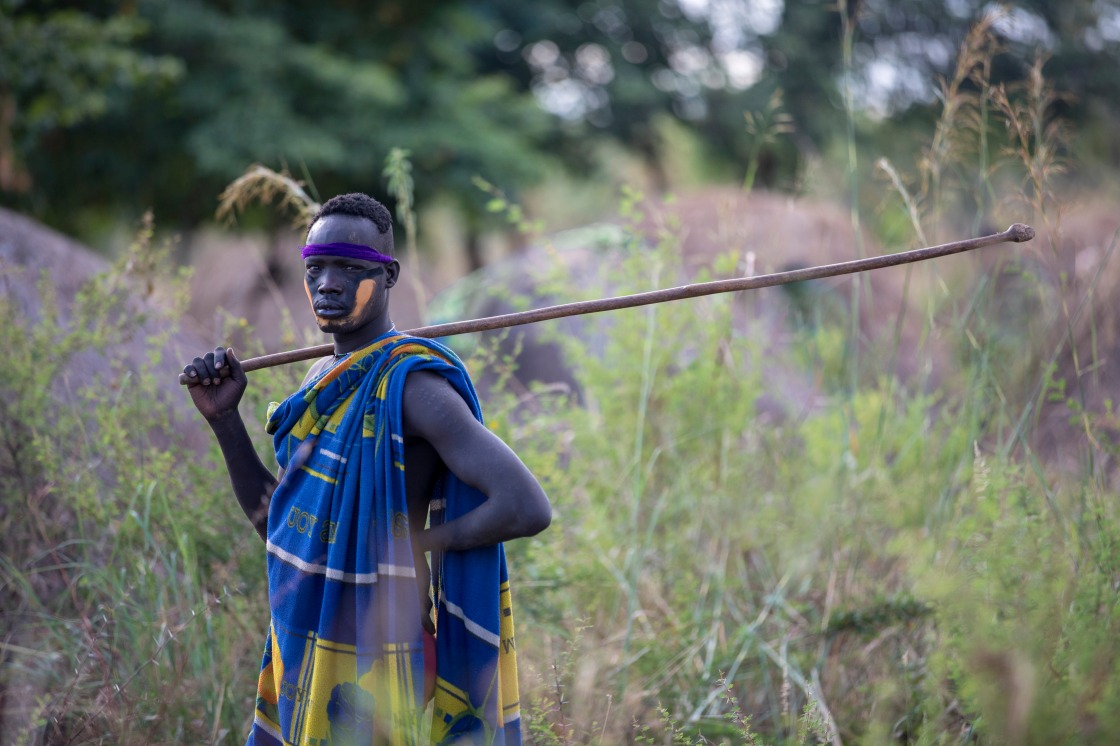
A land of encounters, Ethiopia is home to more than 80 distinct ethnic groups, each with their own languages, traditions, and unique characteristics. It's an extraordinary destination for meeting incredibly warm and welcoming peoples, peoples who have preserved their ancestral way of life, peoples who connect us to the threads of history and our collective imagination. Encountering these isolated tribes is an opportunity to rediscover humanity itself. In the Omo Valley, ancestral rites are the only modernity. From village to village, you discover the traditions, dances, music, dwellings, languages, clothing, and hairstyles of these forgotten peoples. Ethiopia is a promise of unforgettable human and cultural adventures.
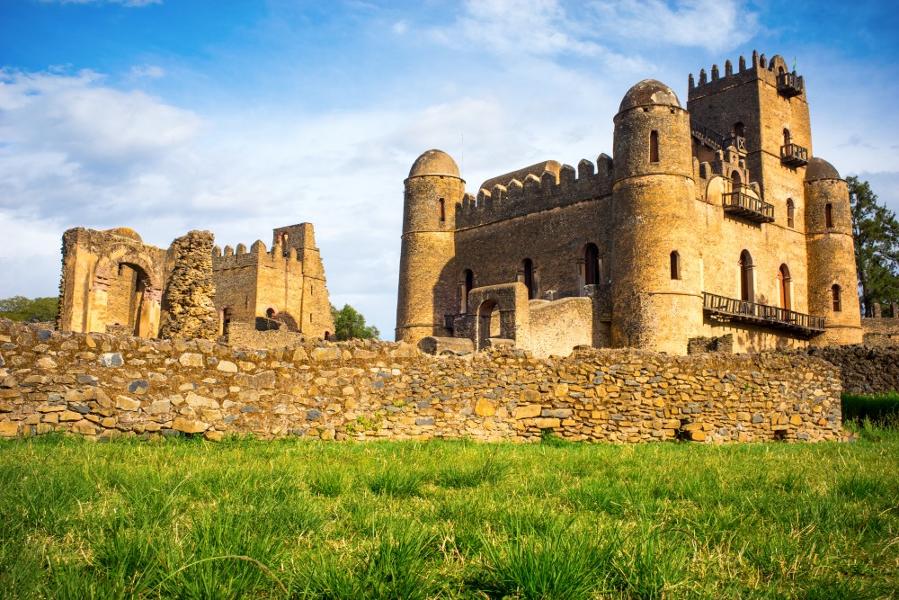
Trace History in the Cradle of Humanity
Ethiopia is primarily known for its grand history that reaches back to the very origins of humankind. It is here, indeed, that the world's most ancient human skeletons were discovered – those of Lucy and Selam, who are believed to have lived approximately 3.2 million years ago. Ethiopia continues to attract archaeologists from around the world searching for the earliest traces of humanity, and discoveries continue to revolutionize the scientific community. During your trip to Ethiopia, you can humbly admire Lucy in the National Museum of Addis Ababa, Ethiopia's capital, as well as some of the world's oldest Christian sites, and Gondar, the first Abyssinian capital.
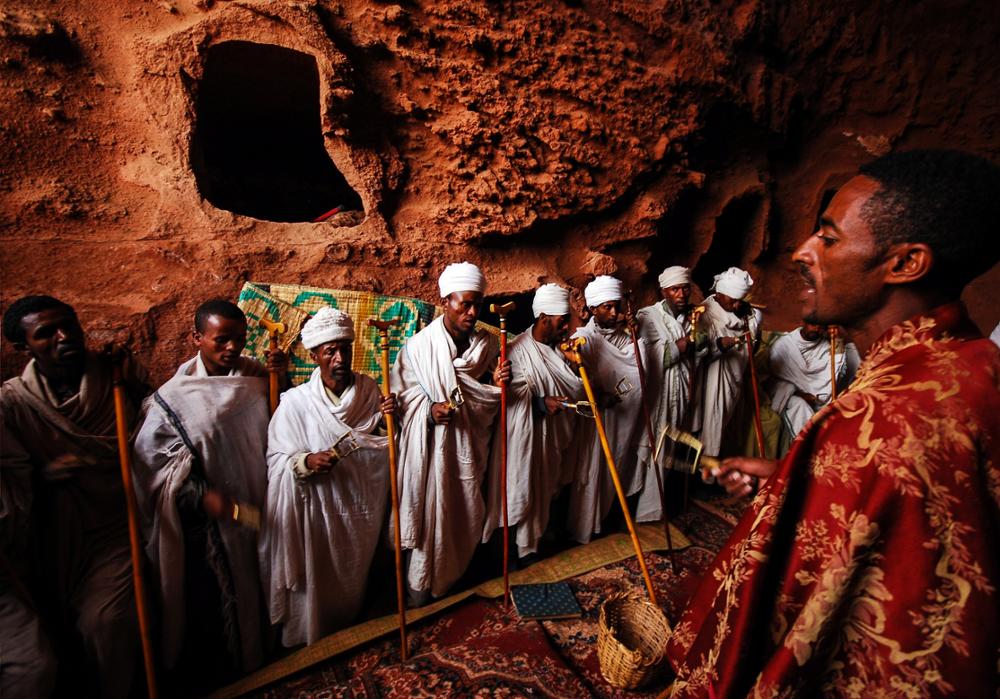
Visit Sacred Sites
Ethiopia is also one of the cradles of Christianity. The Ethiopian Church is among the world's oldest, dating back to the 4th century. It coexists in perfect harmony with Ethiopia's Islam, which dates to the 1st century. This speaks to Ethiopia's rich inheritance of religious history and architecture. You can, for example, visit the village of Axum which is said to hold Noah's Ark, or the magnificent rock-hewn churches of Lalibela, also known as "the African Jerusalem."

Savor Local Cuisine
Travel also passes through food, and your palate will delight in Ethiopia. The colorful and aromatic cuisine of Ethiopia mirrors its landscapes – diverse and astonishing. Meals are served on a communal platter placed in the center of the table, and typically eaten with your hands. Ethiopia is also the coffee country par excellence, and locals say that the first coffee beans were discovered here. In any case, if you're a coffee lover, there's no better destination than Ethiopia. You can even participate in the coffee ceremony, the "buna," an important social moment in Ethiopia.
Frequently asked questions
The best time to visit Ethiopia is generally November to February, during the dry season, when temperatures are more pleasant and roads are passable. Avoid the rainy season (June to September) unless you're visiting the Danakil Desert.
Yes, most nationalities must obtain a visa to enter Ethiopia. It's possible to apply online through Ethiopia's official e-visa system before departure. Check with the Ethiopian embassy in your country for exact requirements.
The Danakil Desert is one of the most hostile places on the planet due to extreme temperatures (up to 50°C) and volcanic activity. It's strongly recommended to visit this region with a professional guide and as part of an organized tour to ensure your safety.
Yes, the Omo Valley is accessible to travelers and offers the opportunity to meet more than 80 ethnic groups with preserved ancestral traditions. It's advisable to be accompanied by a local guide and to respect each tribe's customs for an ethical and respectful encounter.
The coffee ceremony, called 'buna' in Ethiopia, is an essential social ritual. Coffee is roasted, ground, and prepared by hand in front of guests, then served in multiple rounds. It's a moment of sharing and conviviality that reflects coffee's importance in Ethiopian culture, a country considered the birthplace of coffee.
Ethiopia is called the 'cradle of humanity' because some of the world's oldest known human skeletons were discovered there, notably Lucy and Selam, believed to have lived approximately 3.2 million years ago. These discoveries continue to attract archaeologists from around the world.