5 Historical Sites to Visit in Éthiopie
A land of contrasts and vibrant colors, Éthiopie captivates with its breathtaking landscapes, traditional peoples, and wildlife stretching as far as the eye can see.
A land of contrasts and vibrant colors, Éthiopie captivates with its breathtaking landscapes, traditional peoples, and wildlife stretching as far as the eye can see. Yet Éthiopie is also of incredible historical richness, regarded as one of the cradles of humanity and Christianity. In the heart of Africa, Éthiopie is home to some historical sites that are absolutely not to be missed:
Lalibela
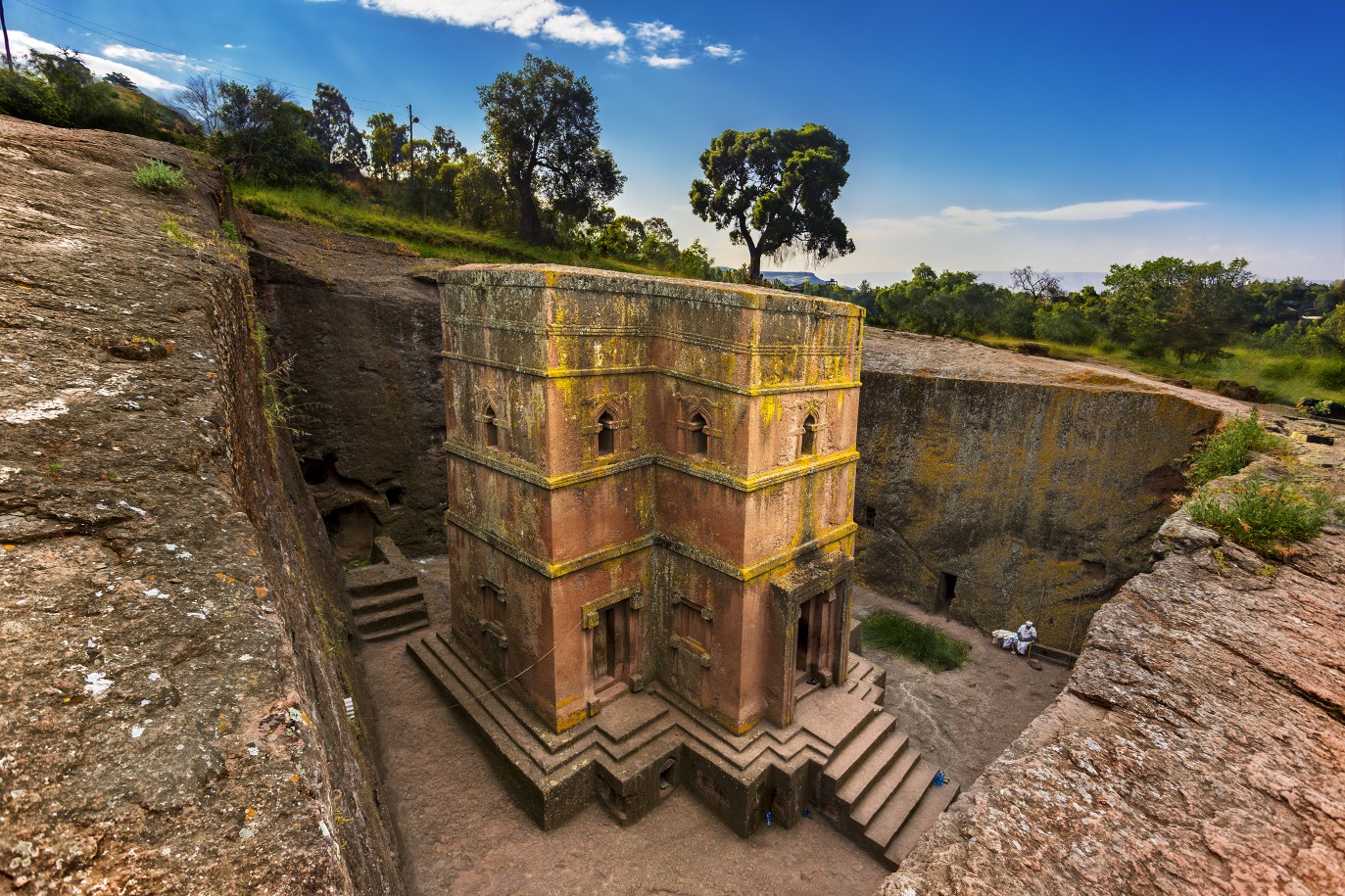
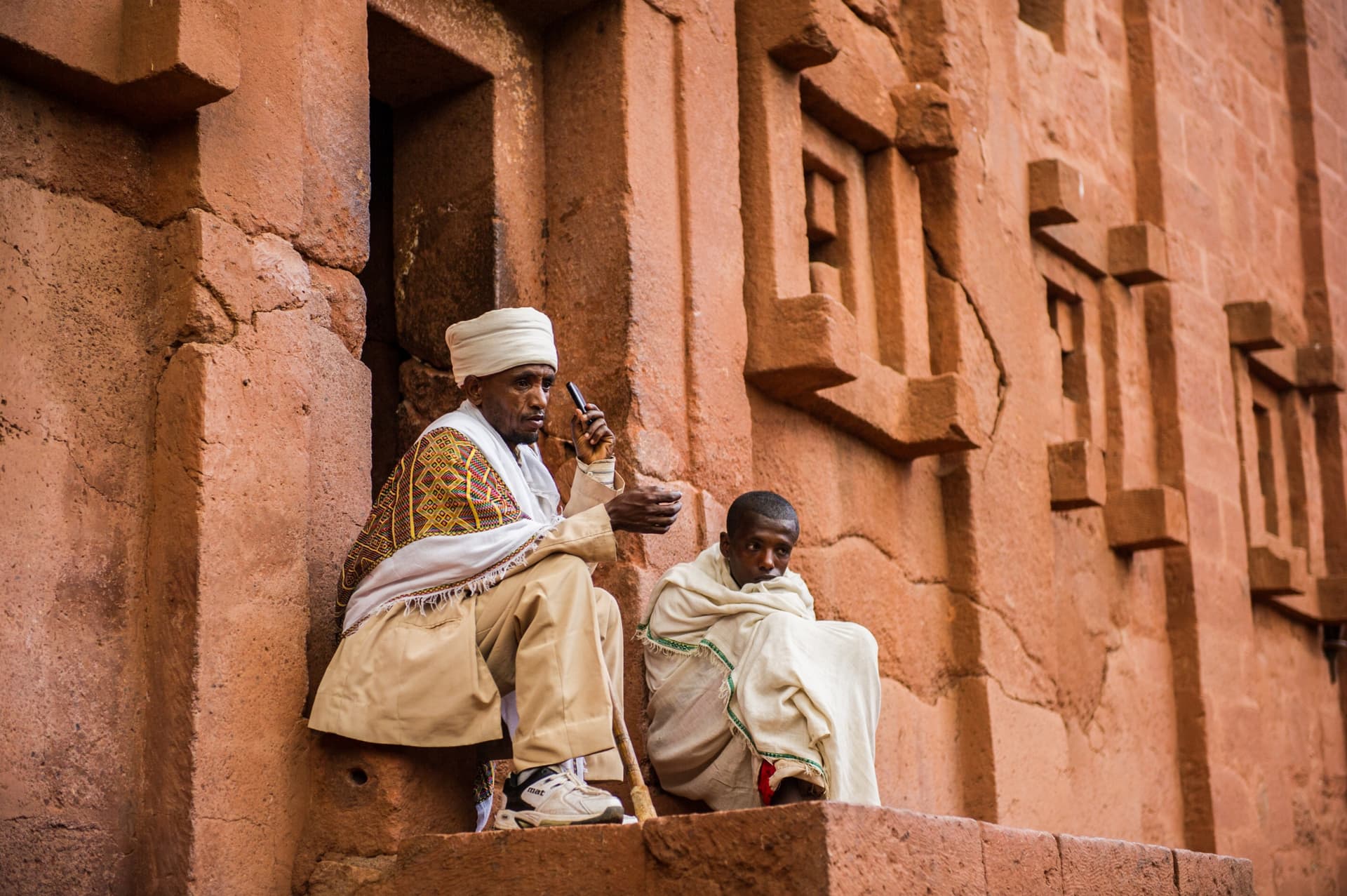
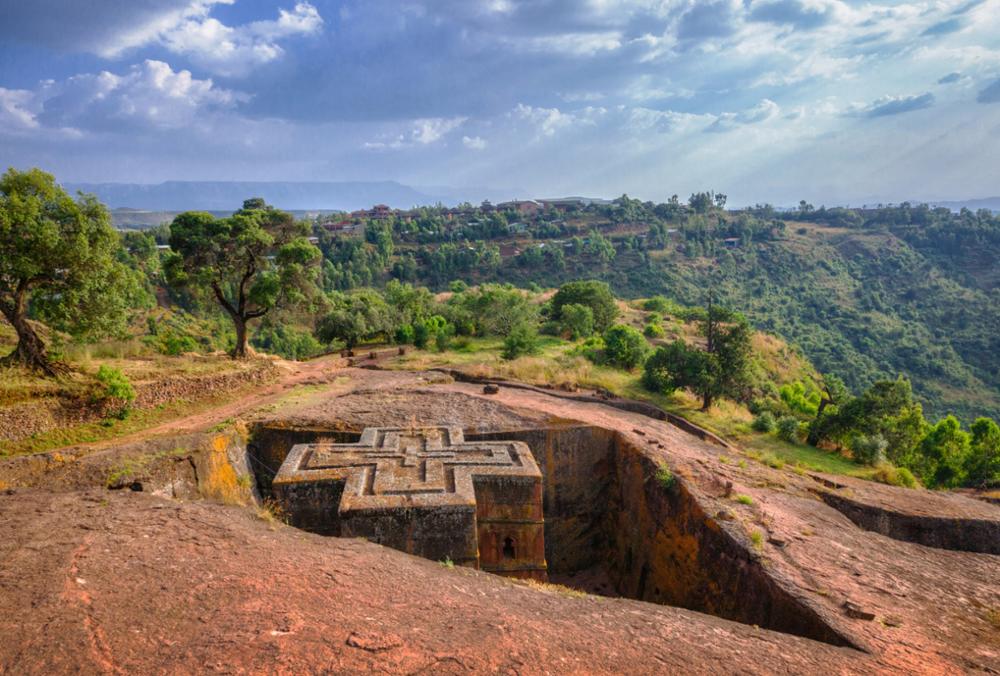
Without hesitation, this is the most important historical site to see in Éthiopie, and perhaps even in Africa. Lalibela, also nicknamed the "Black Jerusalem" or the "New Jerusalem," is one of the most important Christian sites in the world. Founded in the 12th century by King Lalibela, this new city was designed to offer another holy site to believers after the Muslim invasion of Jerusalem. Of incredible beauty, Lalibela is home to eleven churches, each carved from a single block of stone, making them unique architectural masterpieces in the world.
Gondar
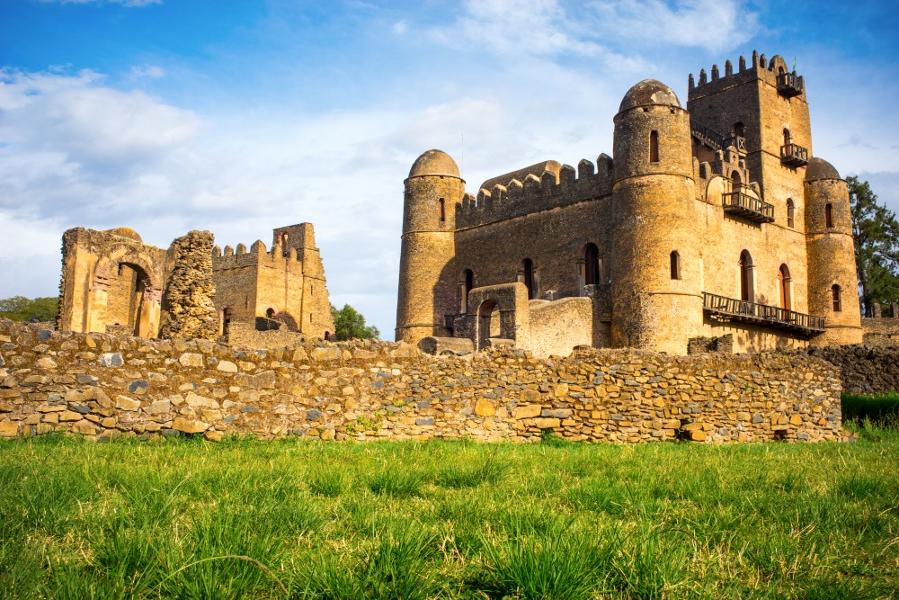
A former imperial city and capital of Éthiopie, Gondar is situated in an exceptional natural setting: at the heart of the Simien massif, offering vertiginous views over Lake Tana. It was the most important seat of power for several centuries, but also a city renowned for its talented artists. Despite being plundered and bombed, Gondar has retained its charm with several well-preserved buildings, testament to the city's once-luxurious past.
Harar
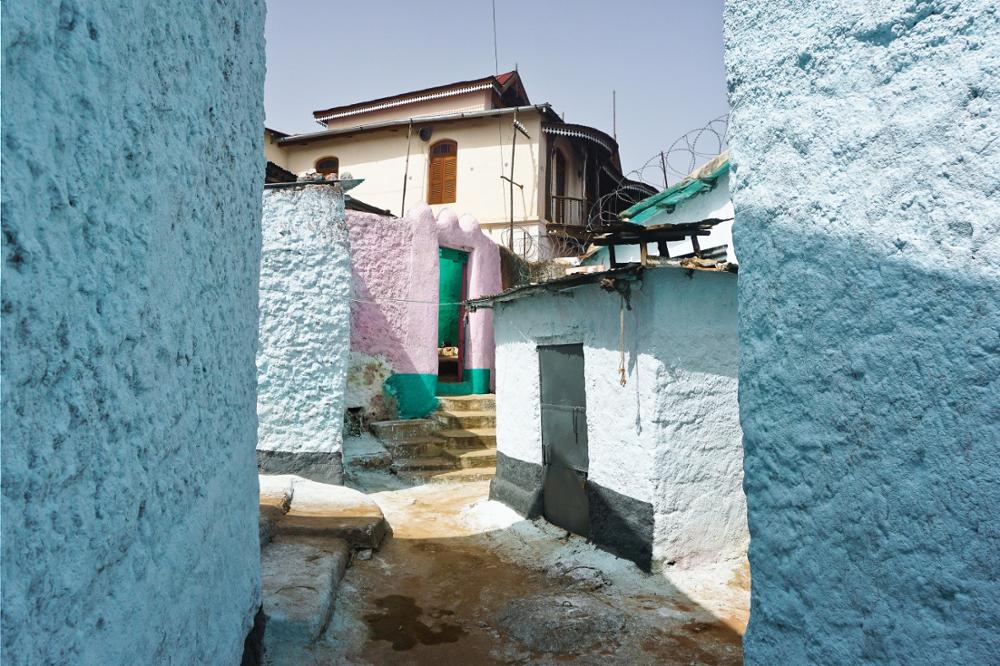
For lovers of French literature, there is nothing quite like a stay in Harar. The fourth holiest city of Islam, Harar is the city that Arthur Rimbaud chose to spend his final years, far from his native land and his poetry. This important historical city, rich in colors and fragrance, remains vibrant to this day and is a charming destination in Éthiopie. Harar has a unique character with its remarkable architecture, and it even has its own language and currency. Visiting Harar offers a genuine immersion into the Islamic world, and beyond discovering its sacred buildings, you can witness the singular hyena feeding ceremony.
Axoum
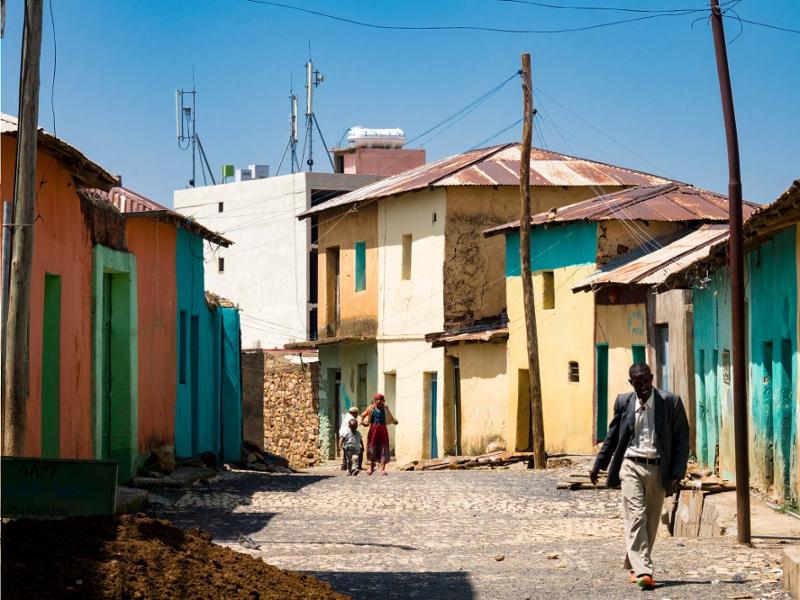
Capital of the Axumite kingdom in the fourth century before Christ, Axoum (or Aksoum) is a captivating city for delving into the ancient history of the country. An important trading hub between India and Egypt, the city of Axoum was long steeped in wealth and prominence. Today, Axoum is an impressive archaeological site, where tombs, stelae, obelisks, and ruins offer glimpses into early life in Éthiopie.
The National Museum
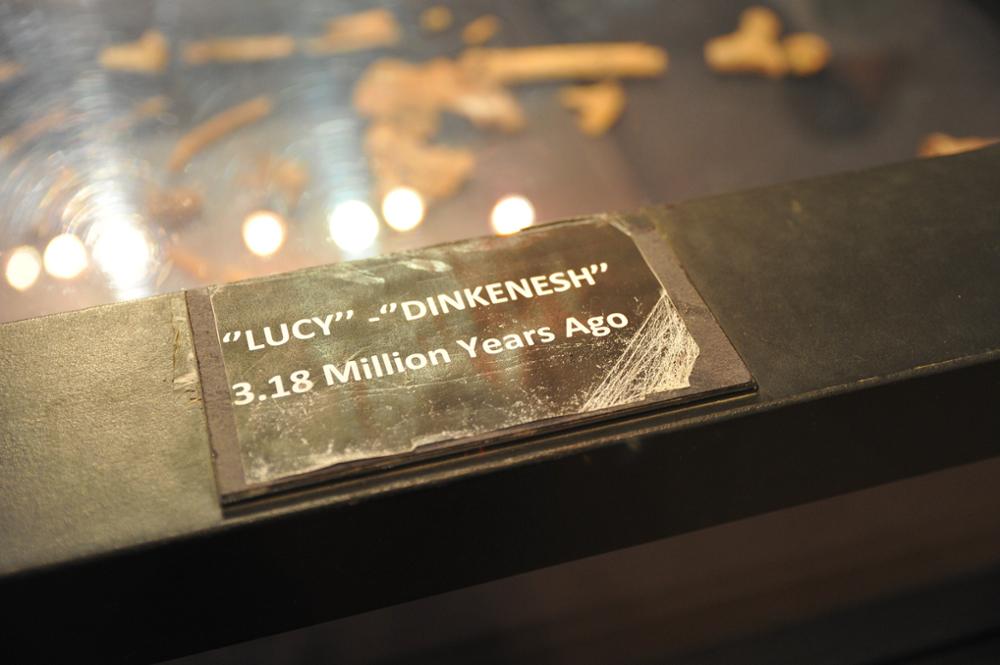
Every journey through Éthiopie must lead to the National Museum of Éthiopie, located in its current capital, Addis Ababa. Though the museum itself is modest in size, it houses a treasure dear to humanity: the bones of Lucy, the oldest human skeleton ever found! According to estimates, Lucy lived approximately 3.2 million years ago, offering us profound humility…
Frequently asked questions
Yes, the eleven rock-hewn churches of Lalibela have been listed as a UNESCO World Heritage Site since 1978. This exceptional site, carved from volcanic rock, is considered one of the architectural wonders of the Christian world.
The best time to visit Éthiopie is between October and January, during the dry season. The climate is pleasant, roads are passable, and religious festivals such as Timkat (January) in Lalibela offer an unforgettable spectacle.
Yes, it is entirely possible to visit these 5 sites during a single journey through Éthiopie. Allow a minimum of 10 to 14 days to comfortably explore Lalibela, Gondar, Harar, Axoum, and Addis Ababa, combining domestic flights and local transportation.
Lucy is the nickname given to the fossil skeleton of a hominid discovered in Éthiopie in 1974. Estimated at approximately 3.2 million years old, it is one of the oldest ancestors of humanity ever found. Her bones are preserved and displayed at the National Museum of Éthiopie in Addis Ababa.
Harar is generally considered a safe city for tourists. This fortified city, listed by UNESCO, welcomes many visitors each year. It is advisable, however, to check the security situation before departure and travel with a local guide to make the most of your visit.