Addis Ababa
Addis Ababa
Africa's highest capital, Addis Ababa blends imperial museums, the continent's largest market, and authentic Ethiopian cuisine. Our guide to exploring the city.
Industrial and economic capital of Éthiopie, Addis Ababa will transport you into a more ancient and mystical world. Renowned for its cultural attractions and countless historic sites, Addis Ababa is a fascinating city that will quickly capture your curious and adventurous spirit. Museums, theaters, galleries—it's clear your time in this city will be remarkably enriching.
History
Addis Ababa originally lay in the Finfinnee region. Surrounded by the Wachacha and Entoto mountains, it boasted an abundance of wildlife and flora.
Attraced by the beauty of the location, Menelik II and his wife Taytu Betul decided to settle there, but the heat was so unbearable that they were forced to find a new place.
In 1886, Taytu discovered a beautiful flower on an unfamiliar piece of land and appreciated the gentleness of its climate. She asked her husband to build a house there. Gradually, a city began to develop around the dwelling. Taytu decided to name the city in honor of the first flower that led her to discover the place—Addis Ababa, which means "New Flower" in Amharic.
Addis Ababa Today
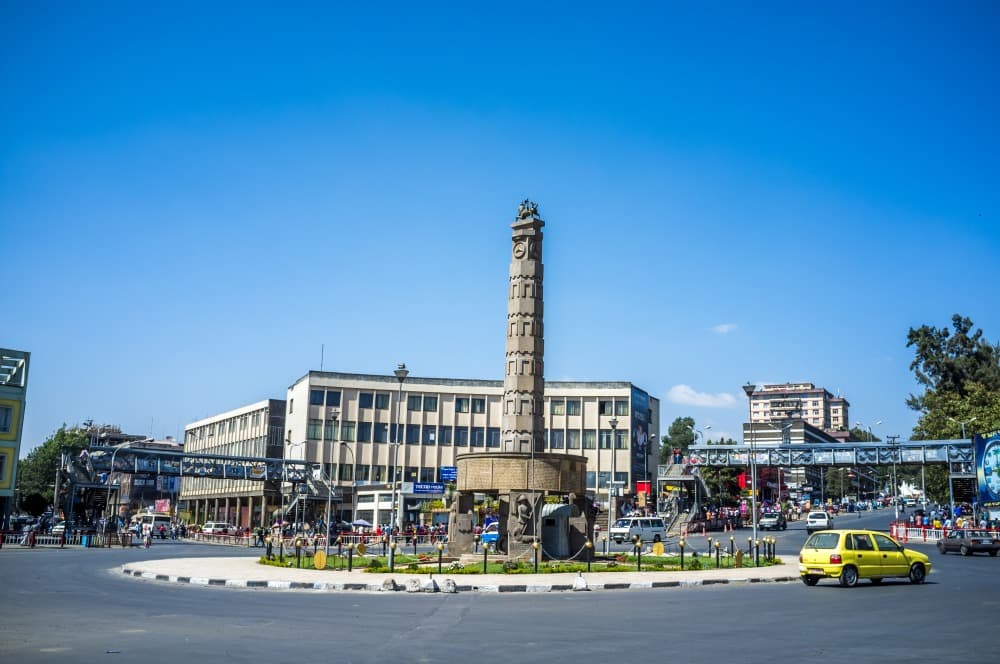
The capital of Éthiopie possesses several assets that make it a prime tourist destination during a visit to Éthiopie. Situated between 2,300 and 2,600 meters in altitude, Addis Ababa is Africa's highest capital.
Home to several geopolitical organizations such as the European Commission delegation and the United Nations Commission for Africa, Addis Ababa stands out for its historical and cultural wealth. The city hosts numerous must-see tourist attractions that you can discover over a weekend or a few weeks.
The city is home to nearly five million citizens from 80 ethnic groups representative of Éthiopie. Fascinated and intrigued by this city's untapped riches, some expatriates have also made it their home.
The National Museum of Éthiopie is the perfect starting point to explore the land of Menelik II thoroughly. You'll find a large paleontology hall where a 5.5-million-year-old hominin skeleton is displayed. Continue your visit to the ethnographic museum of the IES, housed in the former residence of Emperor Haile Selassie, now a university. You'll discover fascinating exhibits of musical instruments, costumes, and medieval ecclesiastical works. The Red Terror Martyrs Memorial Museum contains remarkable illustrations that will immerse you in the country's fascinating history. You can continue by moving on to the Addis Ababa Museum, the natural zoological museum, or visit the museum associated with St. George's Cathedral.
If you enjoy shopping, don't miss a visit to Merkato, known as the largest open-air market on the entire African continent.
Addis Ababa also enjoys a thriving cultural life thanks to its numerous art galleries, performance venues, and traditional restaurants. The city boasts many cultural restaurants, most housed in traditional tukul-style buildings. You can sample several Ethiopian specialties featuring meat-based dishes. Enjoy your meal while watching traditional music and dance performances. If you love to dance, the nightclubs will introduce you to ethio jazz and contemporary Ethiopian music.
By Air
The city is served by an international airport, Bole Airport. You can reach it by flying with major airlines such as British Airways, Egypt Air, KLM, Kenya Airways, Emirates, and others. The airport is just 5 minutes from the city center.
By Land
- By Taxi:
Yellow taxis await you at the airport exit. Only board a taxi offering service to the city center. Remember to negotiate the price before getting in. They're very practical if you're traveling with large luggage.
Contract taxis (blue and white) offer the same services as yellow taxis. However, you should be cautious in your choice, as many aren't reliable. You must know your destination to prevent the driver from taking detours and overcharging you.
Minibus taxis are recommended if you have only one piece of luggage. They offer much cheaper rates than "contract" taxis. However, you need to know the route to your destination to avoid getting lost along the way.
- By Car
You can reach Addis Ababa by car. You have several route options:
*If you're coming from the north, you can take Route 1, which passes through Mekelle, Dessie, and Debre Berhan. It's preferable to rent a four-wheel-drive vehicle, as part of the road is in poor condition. Route 3, from Adwa, allows you to enjoy magnificent scenery. On this route, you'll pass through Gondar, Bahir Ar, and Debre Markos.
*If you're coming from the east, you can take Route 4 toward the capital. It departs from the Somali border and crosses Adwa Harar and Dire Dawa.
*Route 5 allows you to traverse western Éthiopie all the way to the Sudanese border.
To navigate the city more easily, it's best to use landmarks such as government buildings, monuments, or hotels.
It's not possible to explore Addis Ababa on foot, as the city is too large. If you have steady nerves, you can rent a car for getting around, but know that some drivers pay little attention to traffic rules and can appear from nowhere. For hassle-free travel, it's better to get around by taxi. You should be accompanied by an English-speaking guide who knows the capital very well.
Climate
Addis Ababa enjoys a subtropical highland climate. The city is located in a climatic zone with temperature variations exceeding 10°C. From June to September, the city experiences a rainy season that can make certain roads impassable at times. The average temperature is 22°C.
What to Do in Addis Ababa?
- Shop at Merkato
- Visit the city's various museums to learn more about its past and Éthiopie's history
- Dance in the nightclubs
- Taste the city's culinary specialties in traditional restaurants while watching dance and music performances
Attractions in Addis Ababa
See all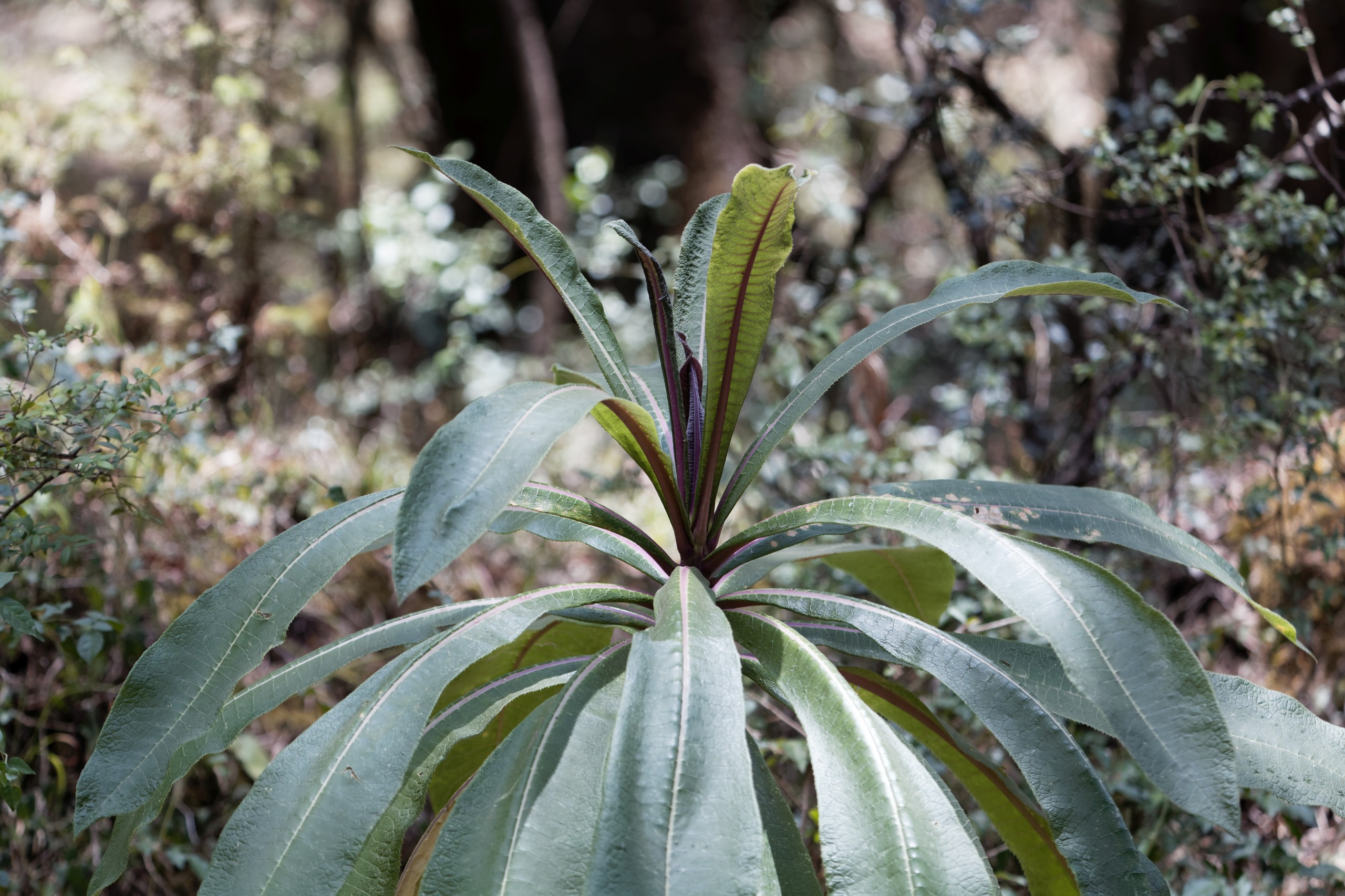
Forêt nationale de Menagesha
À 45 km d'Addis Abeba, la forêt de Menagesha protège depuis le XVe siècle 25 km² de genévriers et podocarpus autour du mont Wechecha (3 385 m).
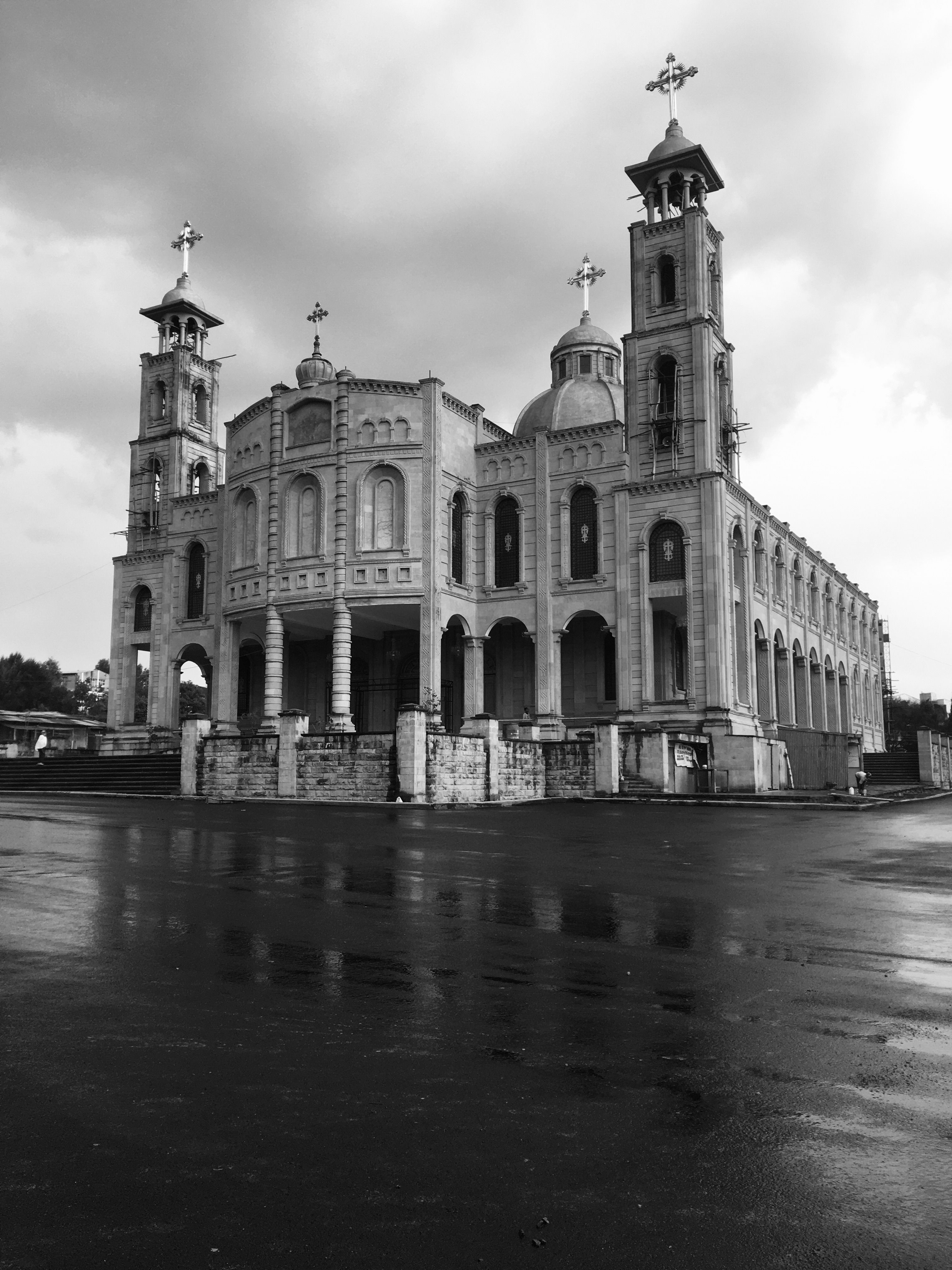
Cathédrale de la Sainte-Trinité d'Addis-Abeba
La cathédrale Kidist Selassie est le principal lieu de culte orthodoxe d'Addis-Abeba. Elle abrite les tombeaux d'Hailé Sélassié, des fresques remarquables et un musée liturgique unique.
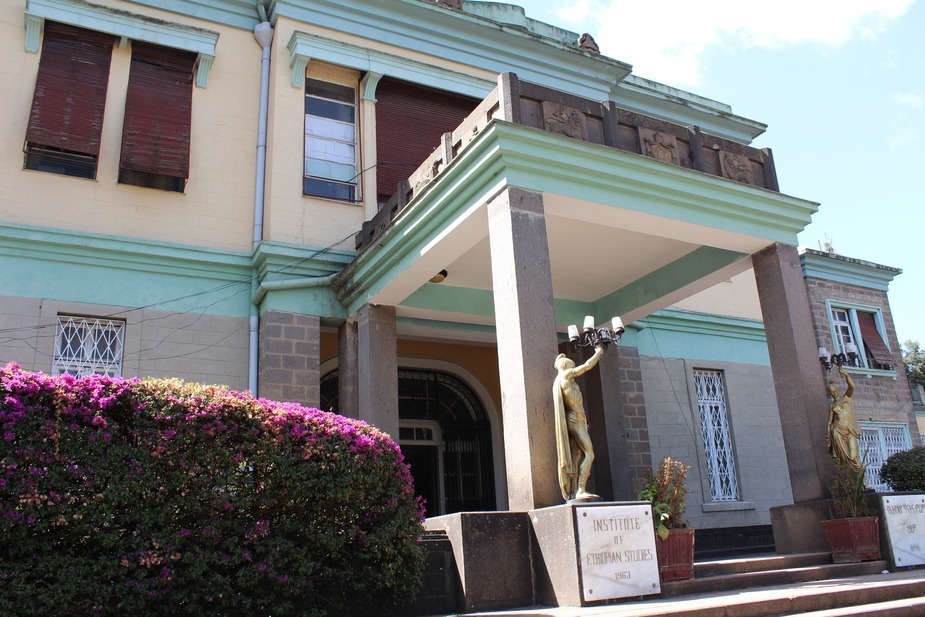
Le Musée Ethnologique d'Addis
Installé dans l'ancien palais de Hailé Sélassié, le Musée ethnologique d'Addis-Abeba retrace l'histoire de l'Éthiopie à travers 13 000 objets et un parcours du cycle de vie.
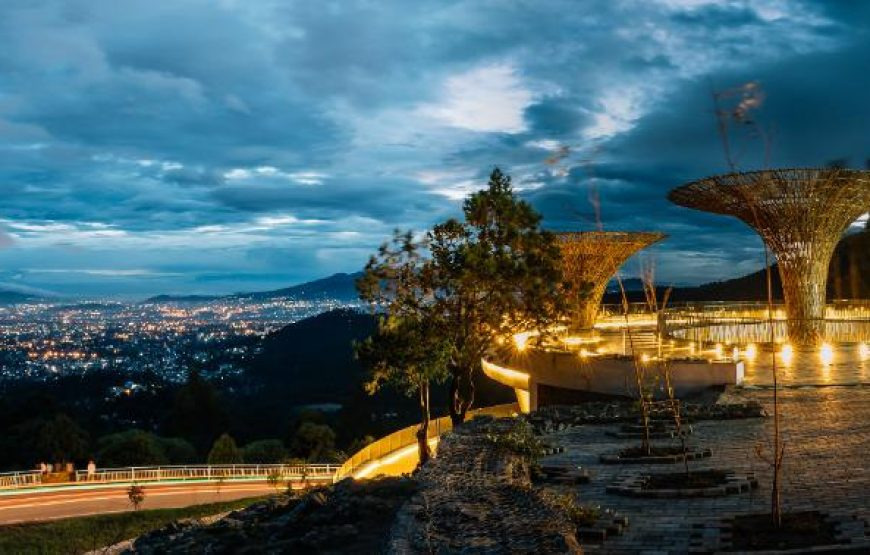
Monts Entoto
À 3 000 mètres au-dessus d'Addis-Abeba, les monts Entoto combinent forêt d'eucalyptus, églises orthodoxes du XIXe siècle et vues panoramiques sur la capitale éthiopienne.
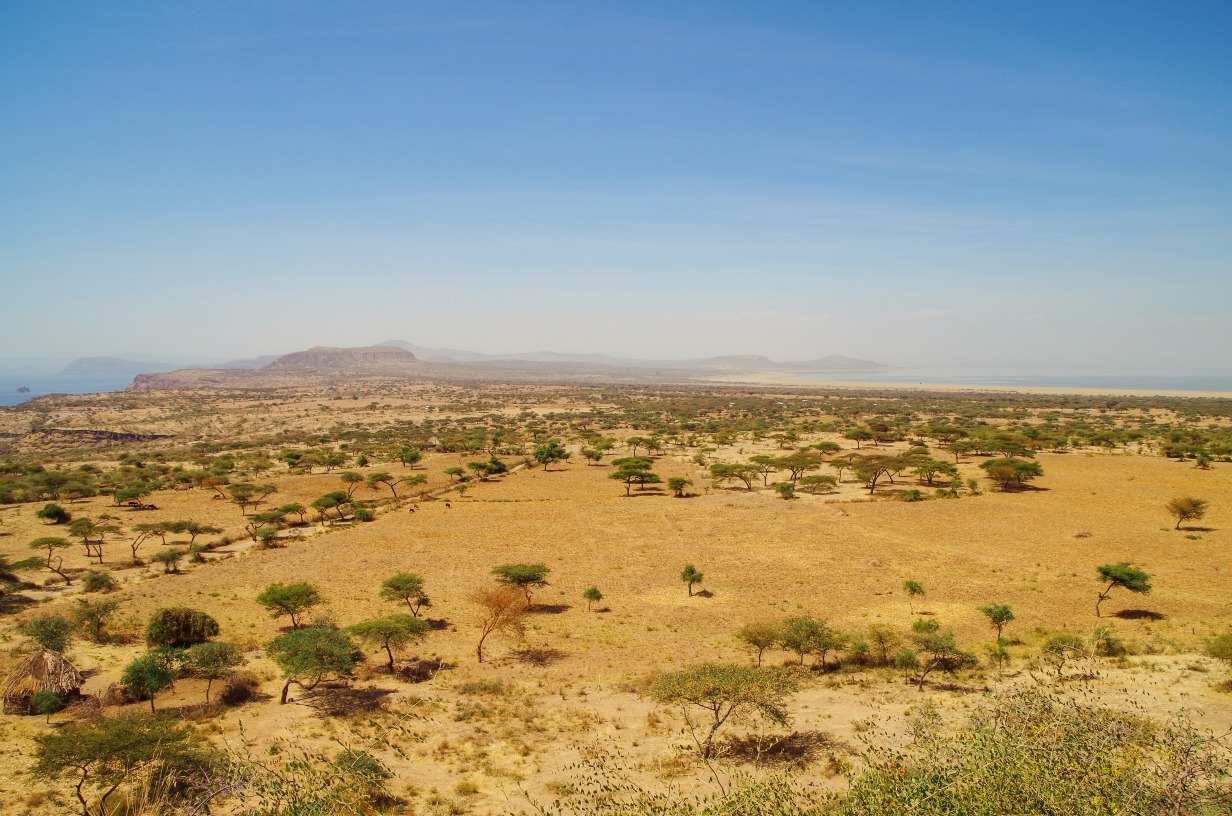
Parc national d'Abijatta
À 200 km au sud d'Addis-Abeba, le parc d'Abijatta-Shalla réunit deux lacs du Rift, des sources chaudes et une avifaune réputée, notamment les flamants roses.
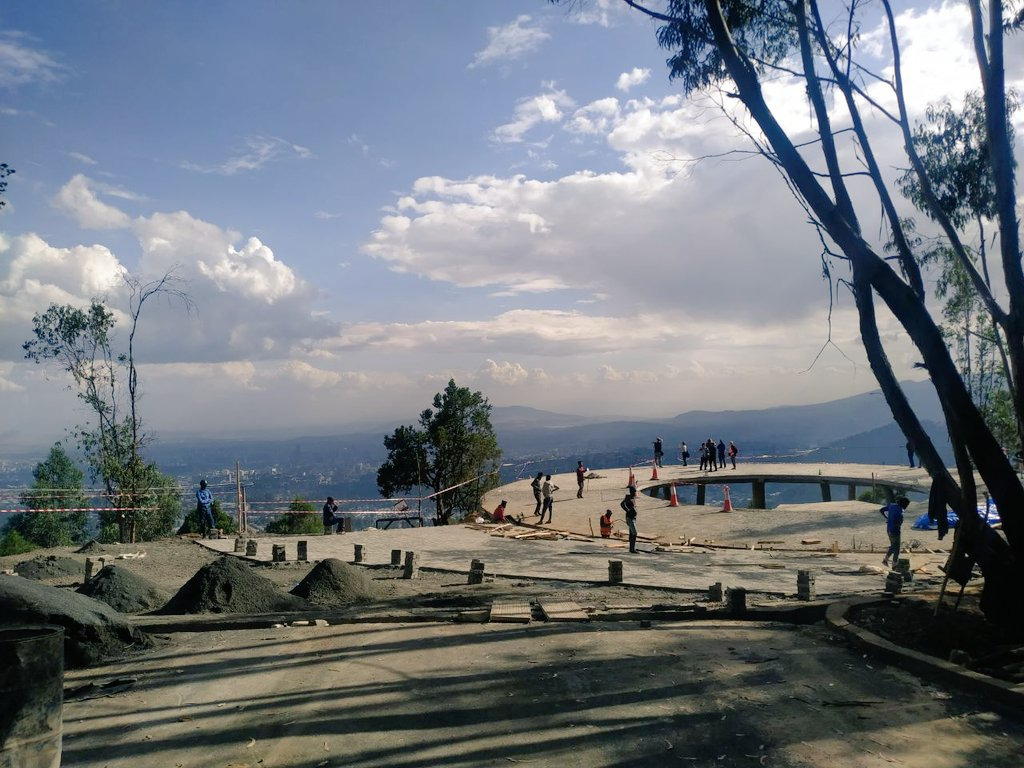
Mont Entoto
À 3 100 m au-dessus d'Addis-Abeba, le mont Entoto mêle histoire impériale, églises orthodoxes du XIXe siècle et forêt d'eucalyptus avec vue panoramique sur la capitale éthiopienne.
Want to discover this destination?
Our local advisors design your tailor-made trip.