Menagesha National Forest
Menagesha National Forest
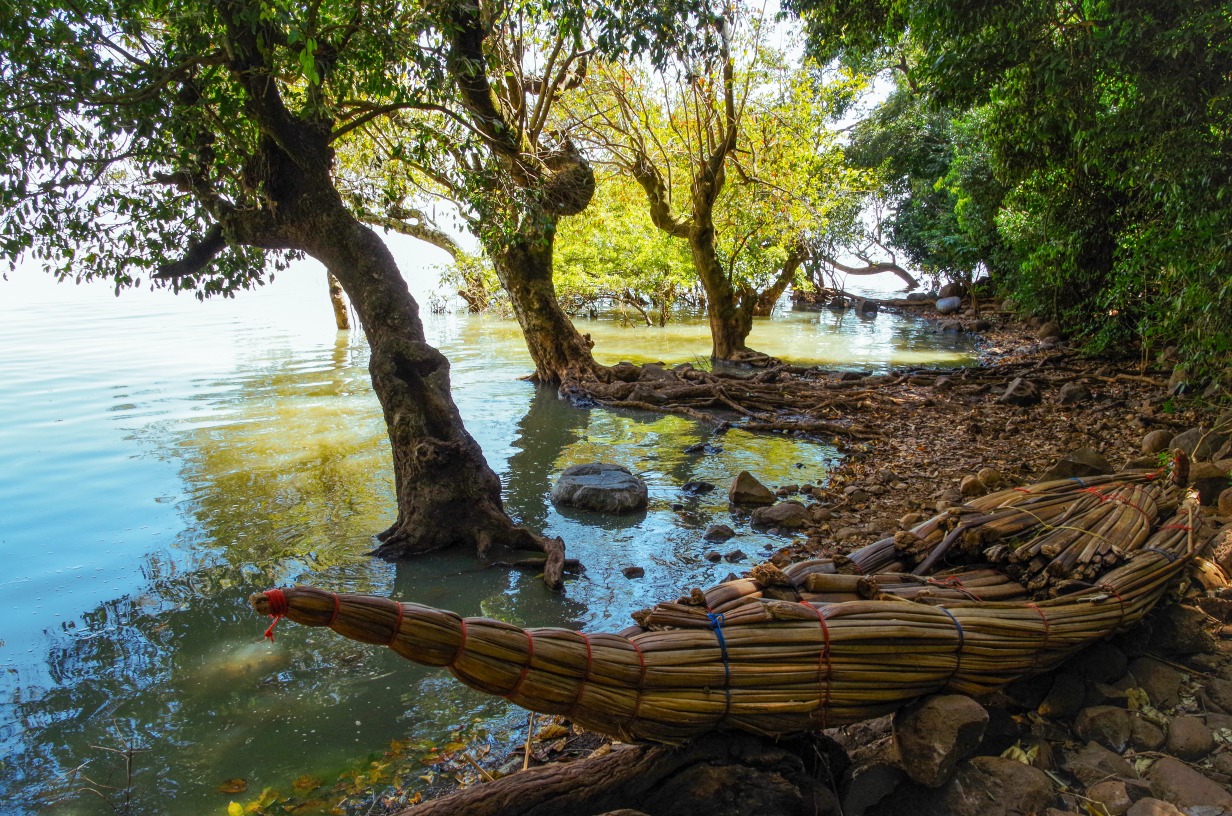
Located 45 km from Addis Ababa, Menagesha forest has protected 25 km² of juniper and podocarpus trees around Mount Wechecha (3,385 m) since the 15th century.
Situated approximately 45 km west of Addis Ababa, on the road to Ambo, the Menagesha National Forest covers 25 km² of junipers, African redwoods and yellow wood trees around Mount Wechecha, an extinct volcano whose ridge resembles an overturned bowl. Protected as a forest site since the 15th century, it is one of Africa's oldest managed forests.
Why visit Menagesha forest
Menagesha offers three complementary attractions for travelers passing through Addis Ababa:
- A forest of exceptional historical value, the result of a 15th-century imperial decree considered one of the oldest documented forest protection acts on the continent.
- An accessible mountain trek from the capital, on the slopes of Mount Wechecha (3,385 m).
- Observable endemic wildlife, including guereza monkeys, Menelik's antelopes and yellow-fronted parrots.
The site remains seldom visited by international travelers, making it a natural retreat that contrasts sharply with the historical sites of the northern Éthiopie circuit.
A forest protected since the 15th century
Menagesha's history is linked to Emperor Zara Yaqob (reign 1433-1468). Witnessing deforestation on the southern slopes of Mount Wechecha, the sovereign orders by imperial decree the planting of seedlings on the denuded southwestern slopes. This decision, rare for its time, is today regarded as one of the first organized reforestation programs undertaken by an African state.
In the 16th century, the planting program was expanded: giant Juniperus, Podocarpus (African redwoods), Hagenia abyssinica and rare palms were introduced, some reaching over 30 m in height. The forest was subsequently classified as Crown territory under the former regime, before being declared a national park in the 20th century.
The oldest Éthiopie junipers on the site are estimated at around 200 years old, living witnesses to successive reforestation campaigns.
What to see and do
Forest species
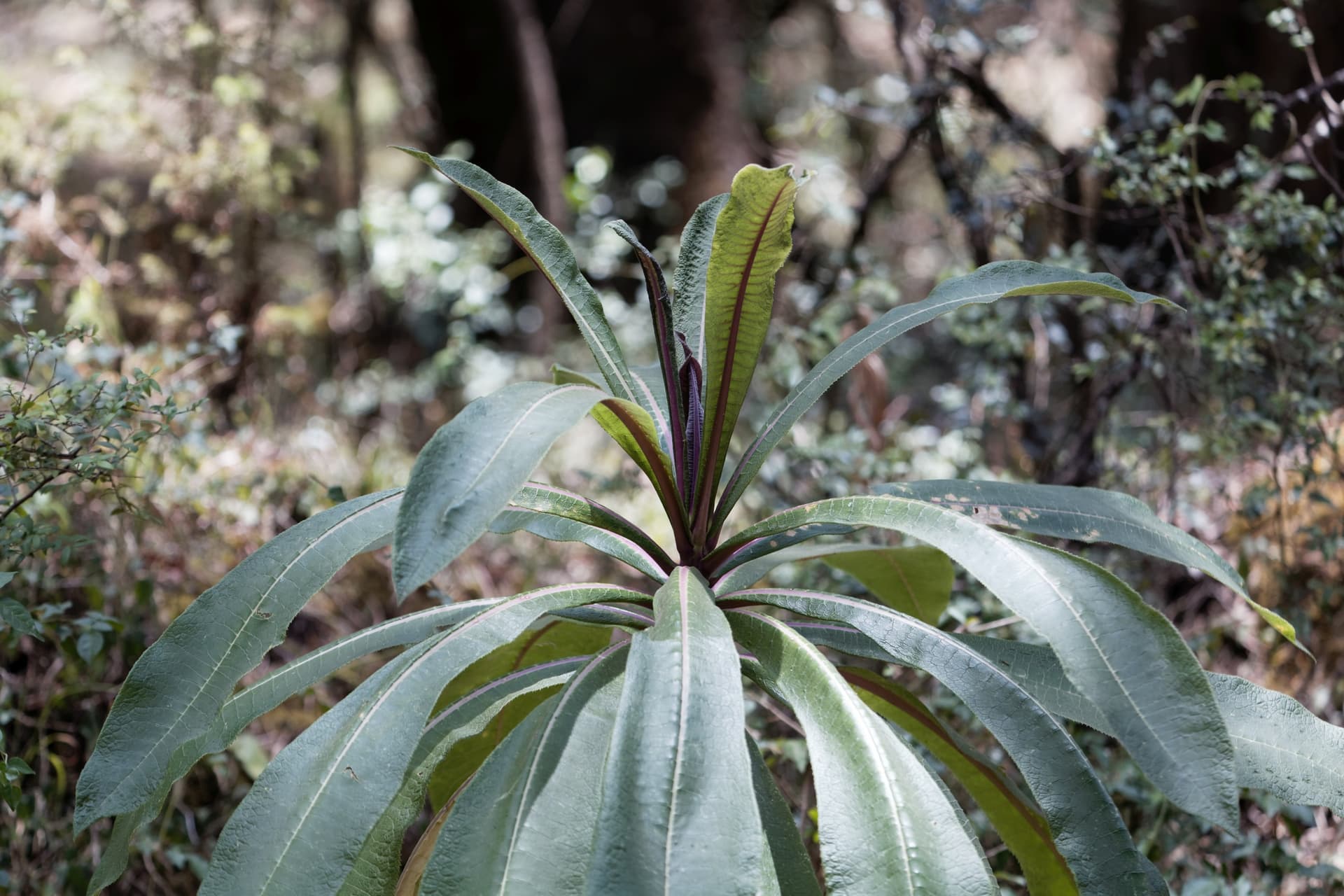
The forest is home to a mosaic of indigenous trees encountered along the trails: Warka, Wanza, Zigba, Girar, Tid, as well as Juniperus procera (Éthiopie junipers) and Podocarpus falcatus that form the main canopy. The oldest specimens far exceed a century in age.
Wildlife
Hikers regularly encounter:
- guereza monkeys (black and white colobus) in the canopy;
- Anubis baboons in groups along the trails;
- Menelik's antelopes, endemic to the Éthiopie highlands;
- yellow-fronted parrots and black and white doves, prized by birdwatchers;
- more discreetly, Abyssinian wild cats and several small forest predators.
The Damocha mountain trek
The main hiking route leads to Mount Damocha (3,380 m), a neighboring summit of Wechecha. Expect approximately 6 hours of walking round trip, on marked trails but with sustained elevation gain at altitude.
Practical information
- Duration of visit: a half-day for a short loop, a full day for the Damocha trek.
- Difficulty level: high-altitude hiking requiring good physical fitness above 3,000 m.
- Equipment: hiking boots, windbreaker, water, snacks. Temperatures drop rapidly in late afternoon.
- Guidance: a local guide, recommended, facilitates orientation on poorly marked trails.
- Entrance fee: modest, payable directly at the park entrance.
When to go
The forest can be visited year-round, but the dry season, from October to March, offers the best conditions: passable trails, clear skies at the summits and good wildlife visibility. The rainy season (June-September) makes the access road difficult and the undergrowth saturated with moisture. Mornings are best for observing birds and mammals.
How to get there
The park is accessible from Sebeta, 30 km southwest of Addis Ababa. Allow approximately 1.5 hours for less than 50 km from the capital.
Route:
- From Addis Ababa, take the Ring road toward Sebeta.
- Continue toward Waliso.
- At the exit of Sebeta, turn right at the second Meta brewery sign.
- Follow 16 km of country track that borders the forest from the south to the park entrance.
Renting a 4x4 in Sebeta is advised, particularly after rains. The final track is not suitable for standard vehicles.
Nearby attractions
- Addis Ababa, the ideal logistical base for combining Menagesha with a visit to the capital.
- The Abyssinian wolf, another emblematic figure of the Éthiopie highlands.
- The sources of the Blue Nile, a natural extension for travelers continuing north.
Frequently asked questions
Frequently asked questions
Yes. With 1.5 hours of travel from the capital, a same-day round trip is entirely feasible, including the Damocha mountain trek (approximately 6 hours).
Not mandatory, but strongly recommended. Trails are poorly marked and a local guide improves wildlife observation and safety at altitude.
The dry season, from October to March, offers the best hiking and visibility conditions. Avoid June-September, the rainy season, when the access road becomes difficult.
Mount Wechecha peaks at 3,385 m and neighboring Mount Damocha at 3,380 m. Hiking takes place largely above 2,500 m, requiring good acclimatization.
Guereza monkeys, Anubis baboons, Menelik's antelopes and several bird species including yellow-fronted parrots and black and white doves.
Including Menagesha in your trip
Menagesha forest integrates easily into a visit combining capital and nature. To plan a custom itinerary including this site and the Éthiopie highlands, consult our Éthiopie trips.
Interested in this visit?
We can include it in your personalised itinerary.