43 articles to prepare your trip
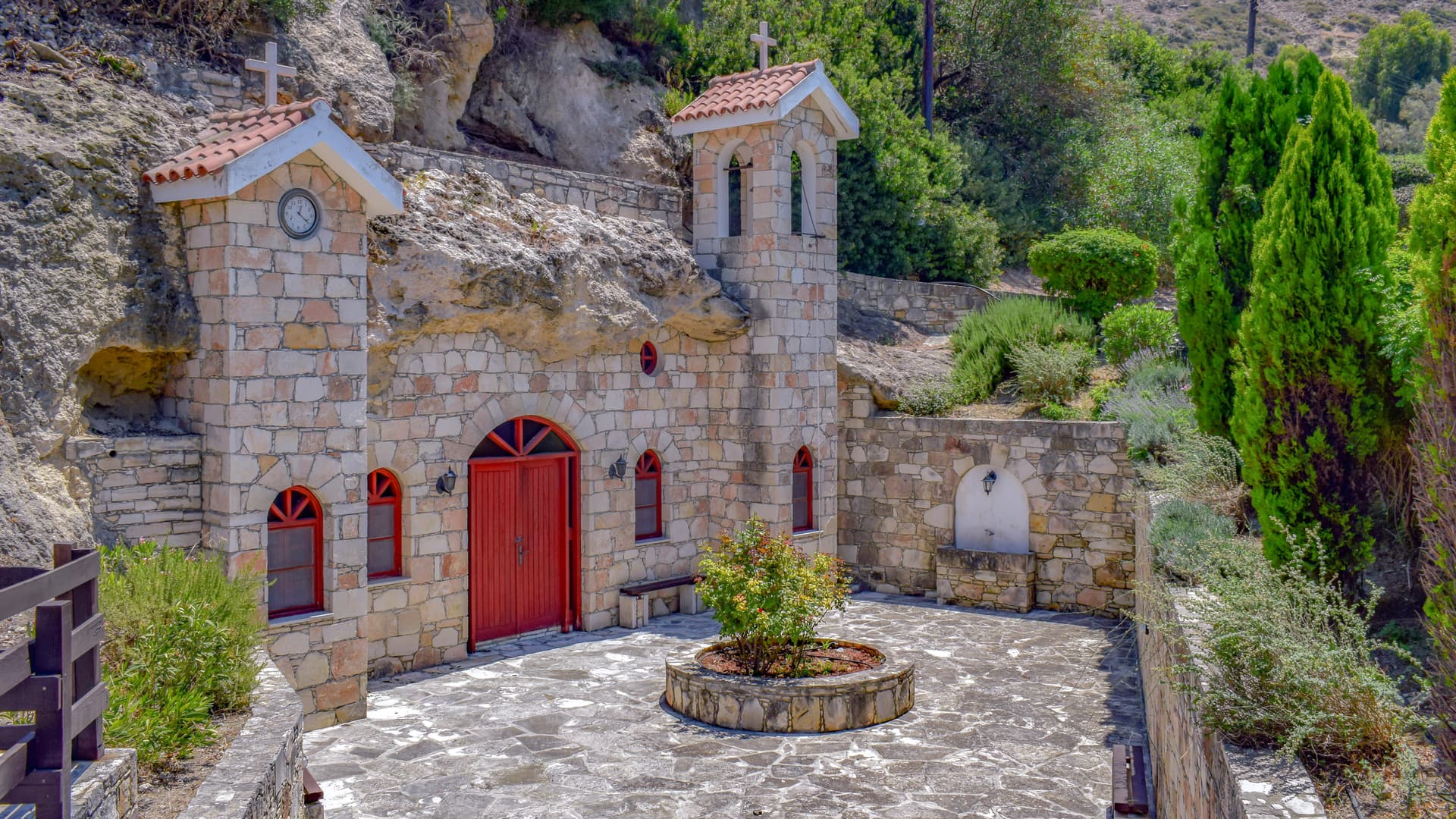
Hidden within a basalt grotto some twenty kilometers from Lalibela, the church of Yemrehana Krestos is one of Éthiopie's best-preserved Christian buildings, predating the famous rock-hewn churches.
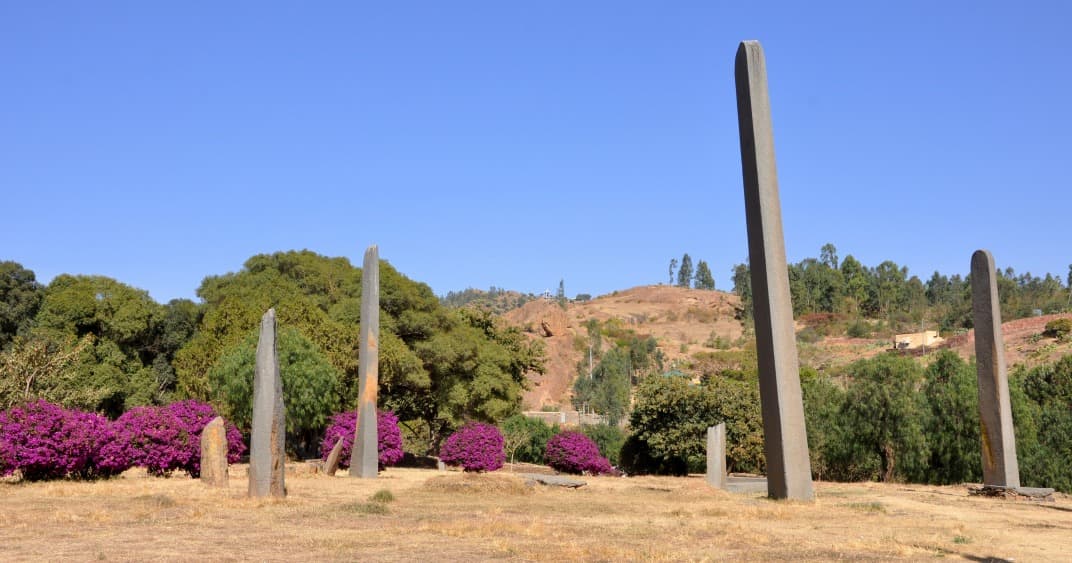
At the heart of Aksum, the granite stelae of the Aksumite kingdom rank among the most imposing funerary monuments of African antiquity. A UNESCO-listed site not to be missed in northern Éthiopie.
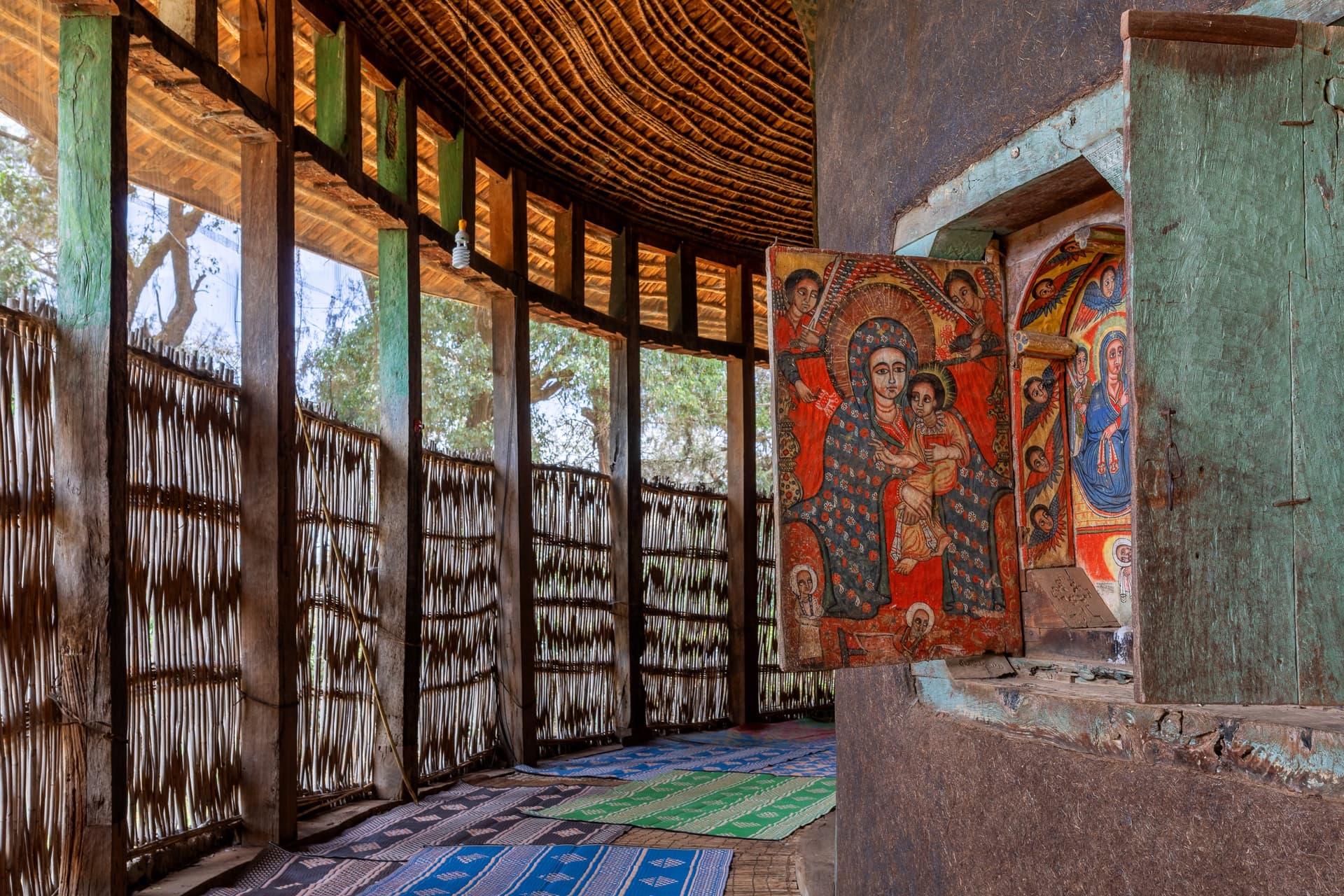
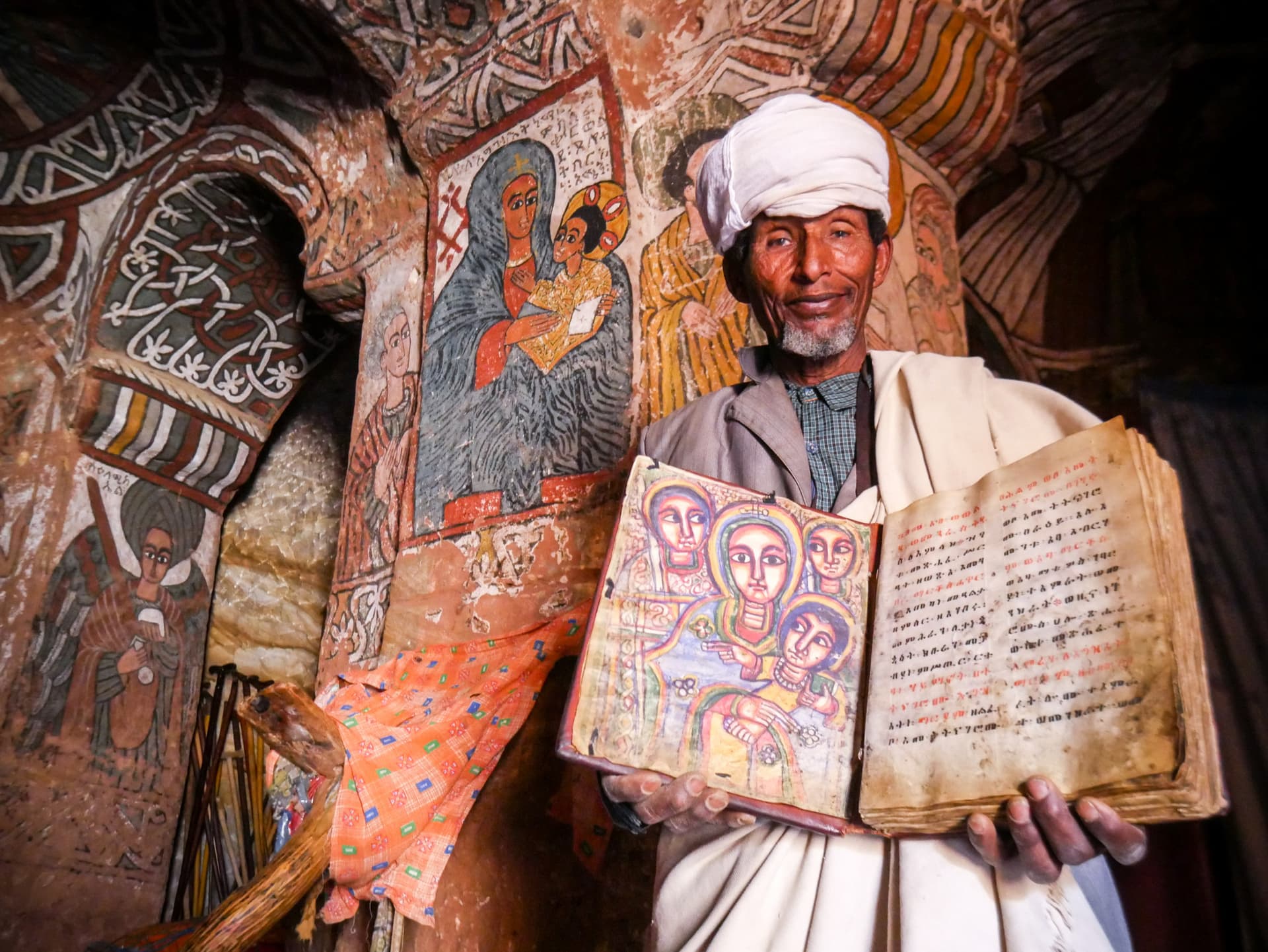
On the Zege peninsula, accessible by boat from Bahir Dar, Ura Kidane Mehret church houses some of Éthiopie's best-preserved Ethiopian Orthodox frescoes, nestled in tropical forest on the shores of Lake Tana.
The Sof Omar Caves, carved by the Web River in Oromia region, form one of Africa's longest karst networks. A geological site and Muslim pilgrimage destination, the caves require a mandatory local guide for visits.
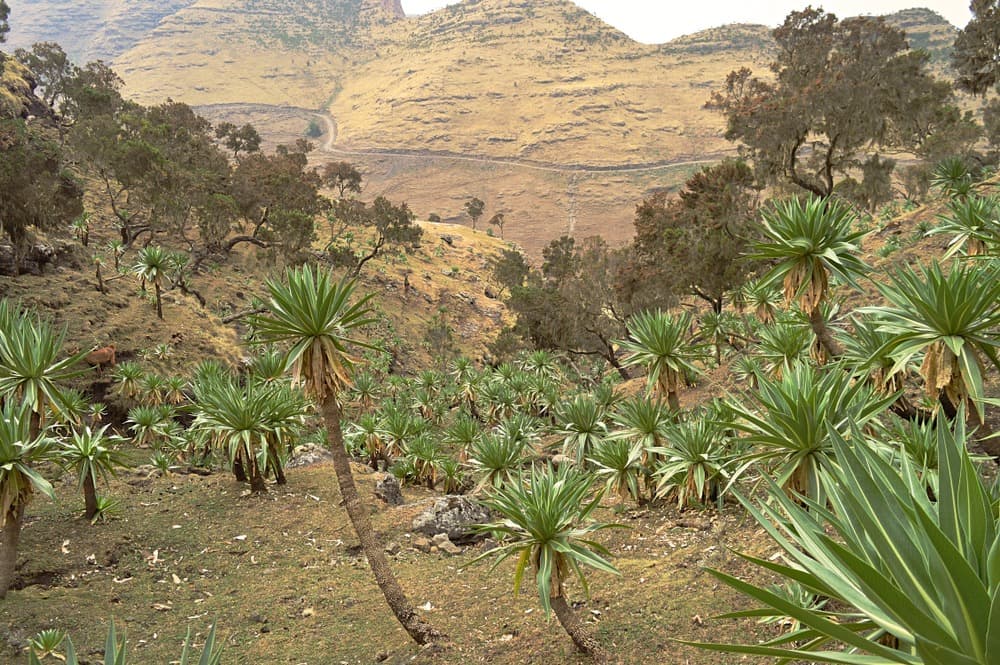
At 4,550 metres altitude in the Simien massif, Ras Dashen is the roof of Éthiopie and Africa's fourth-highest peak. A demanding trek through dramatic cliff landscapes and rare endemic wildlife, designated a UNESCO World Heritage Site.
In the heart of Aksumite, granite stelae from the Aksumite kingdom rise to 24 meters. These funerary monuments, 1,700 years old and UNESCO-listed, bear witness to an ancient civilization that dominated trade routes between Africa and the Mediterranean.
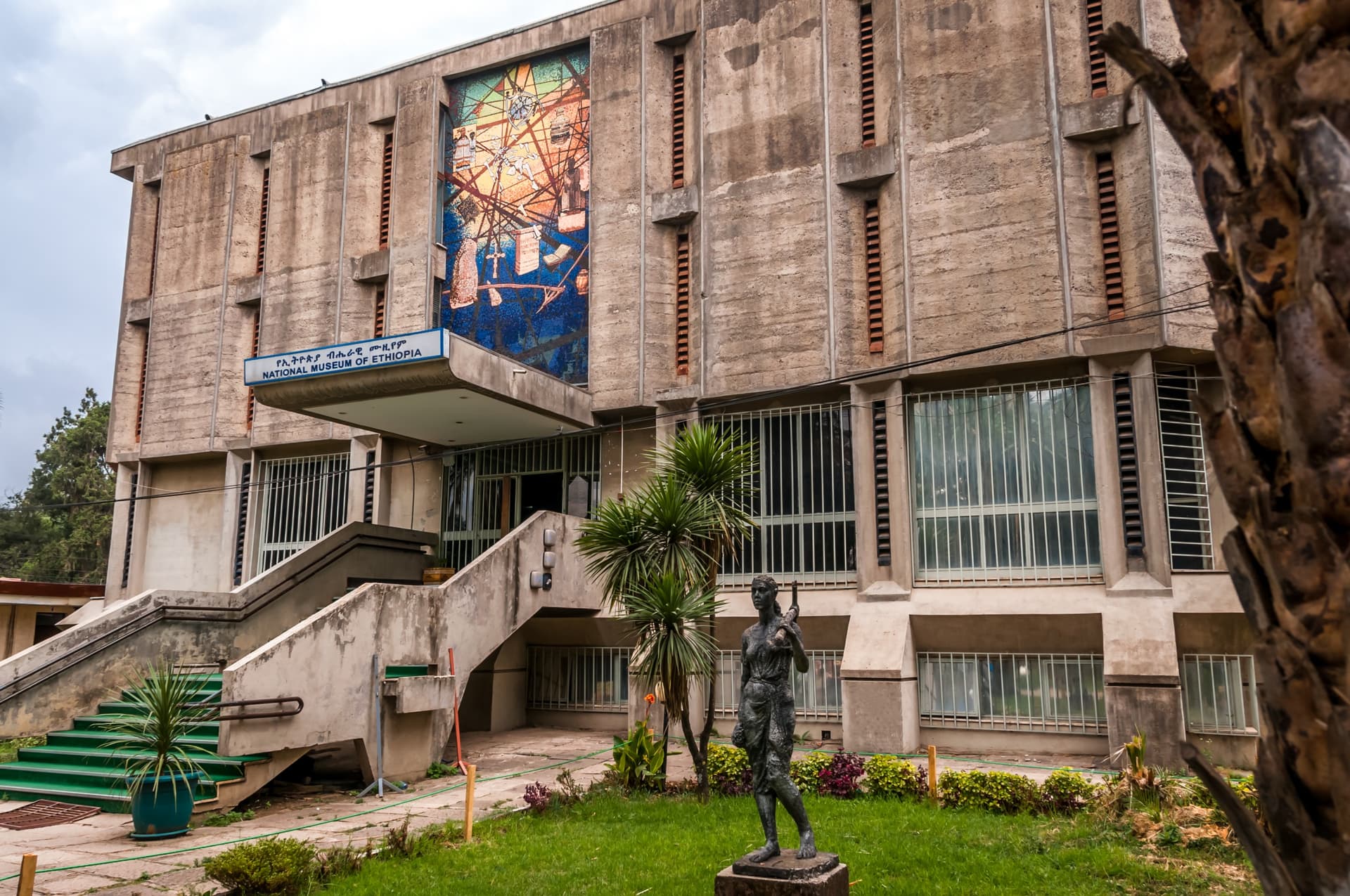
The National Museum of Ethiopia in Addis Ababa houses the cast of Lucy, 3.2 million years old, as well as unique imperial and ethnographic collections documenting Ethiopian civilization.
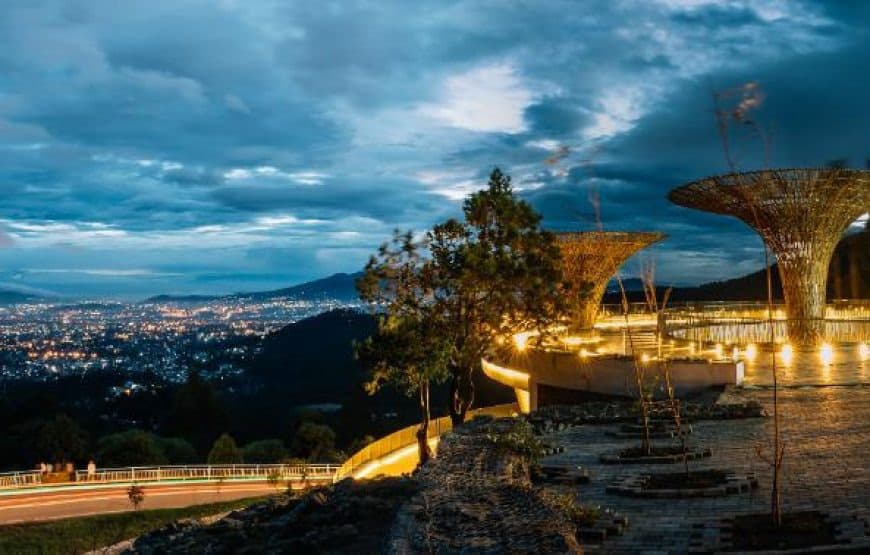
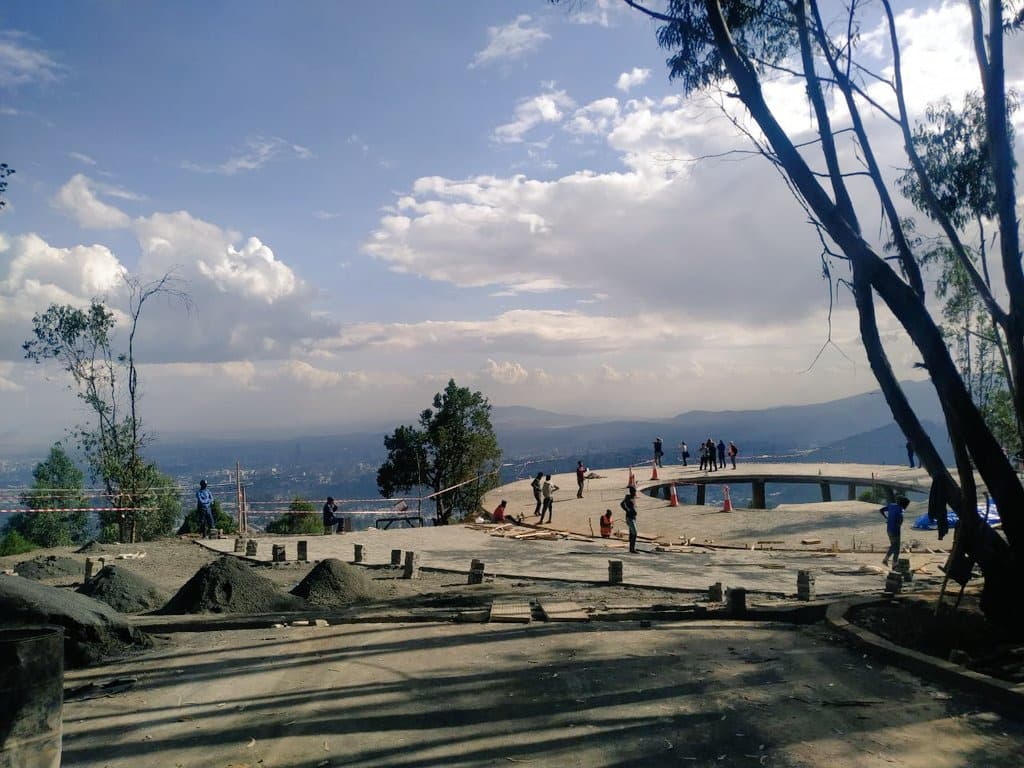
At 3,000 meters above Addis Ababa, the Entoto Mountains blend eucalyptus forest, 19th-century Orthodox churches and sweeping panoramic vistas across Ethiopia's bustling capital.
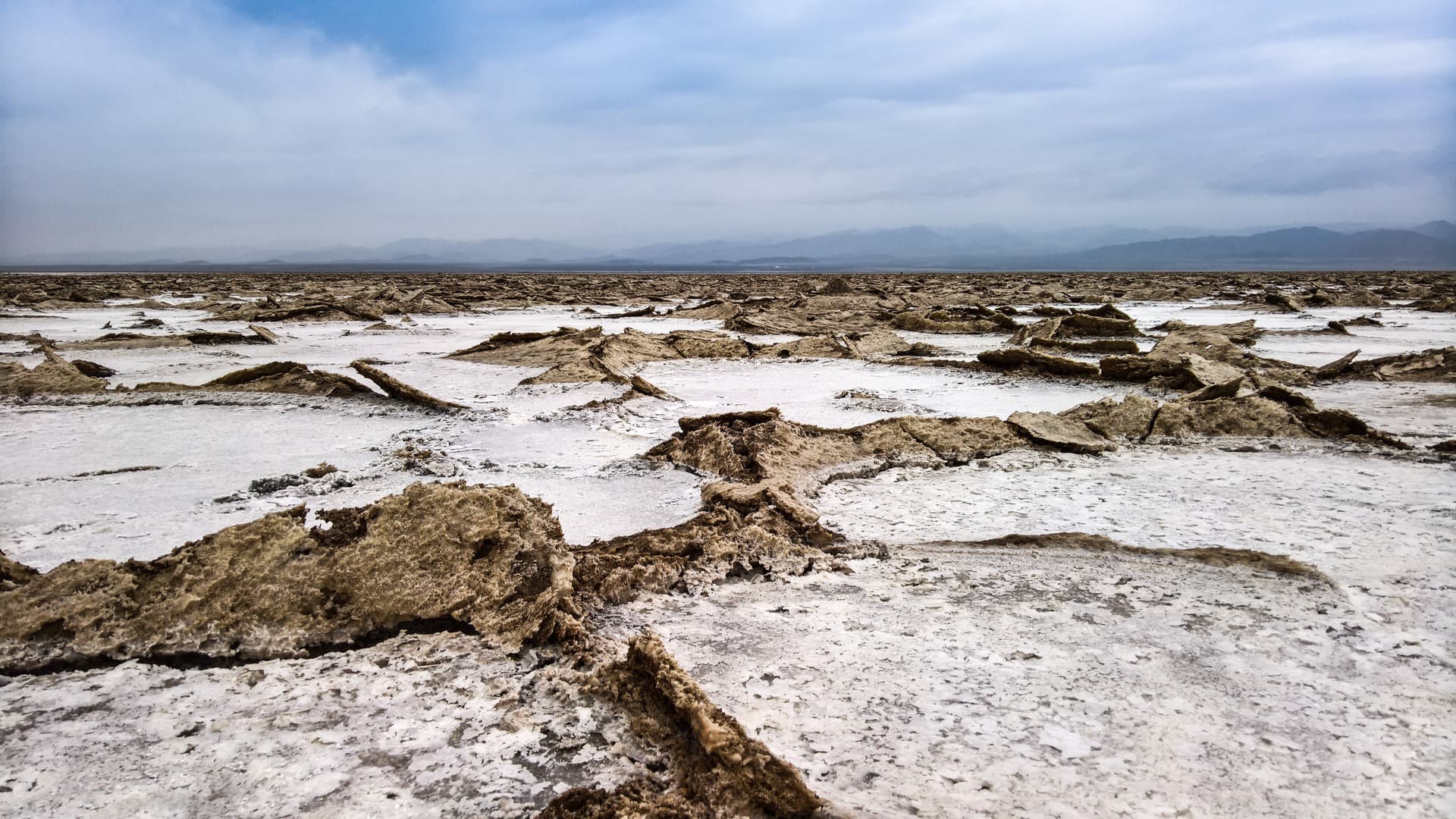
In the Danakil Depression, 120 meters below sea level, Lake Assal spreads its white salt crusts between volcanoes and desert. Afar caravans still carve salt blocks by hand here, as they have for centuries.
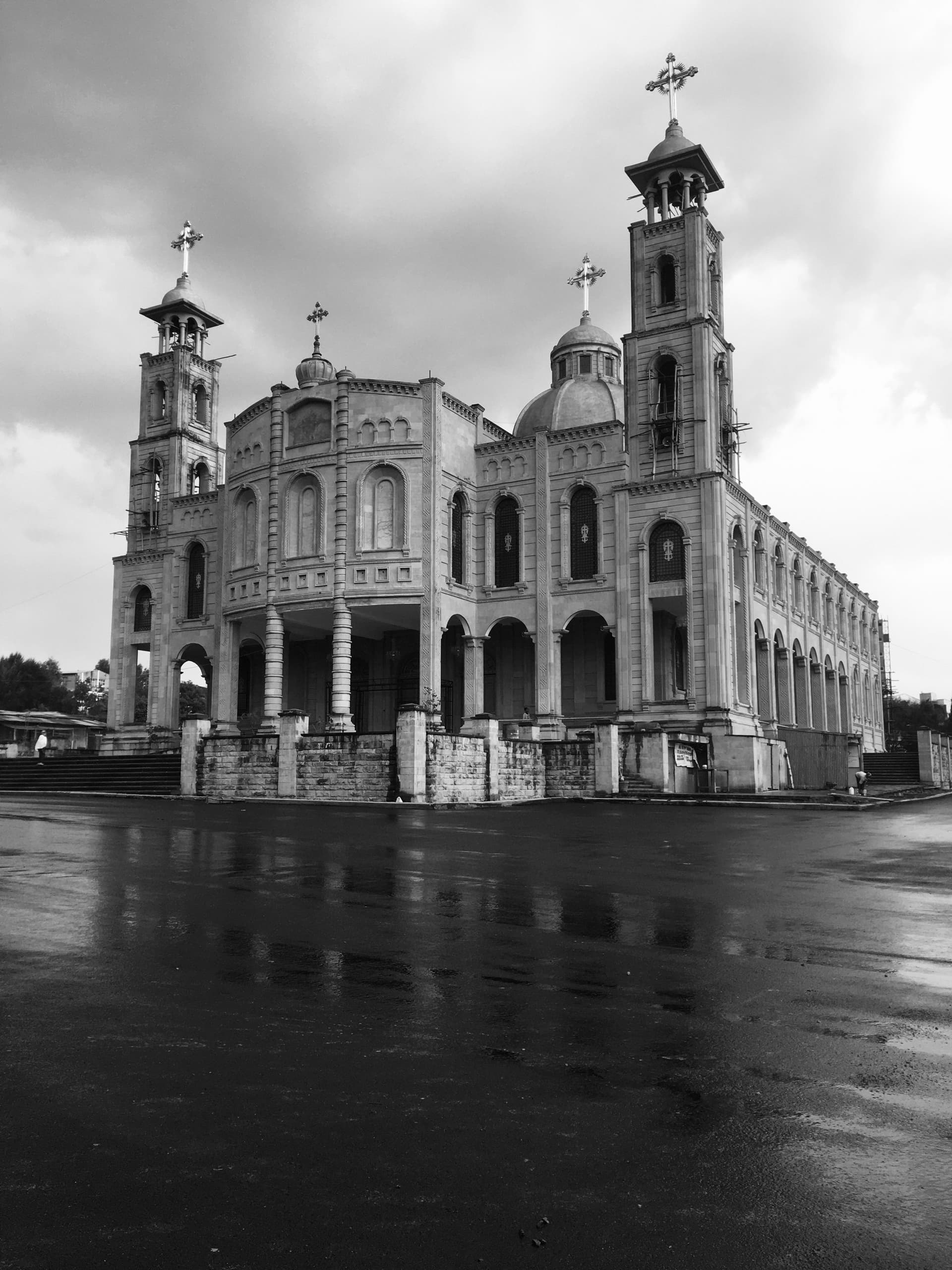
Kidist Selassie Cathedral is the principal place of worship of the Ethiopian Orthodox Tewahedo Church in Addis Ababa. It houses the tombs of Haile Selassie, remarkable frescoes, and a unique liturgical museum.
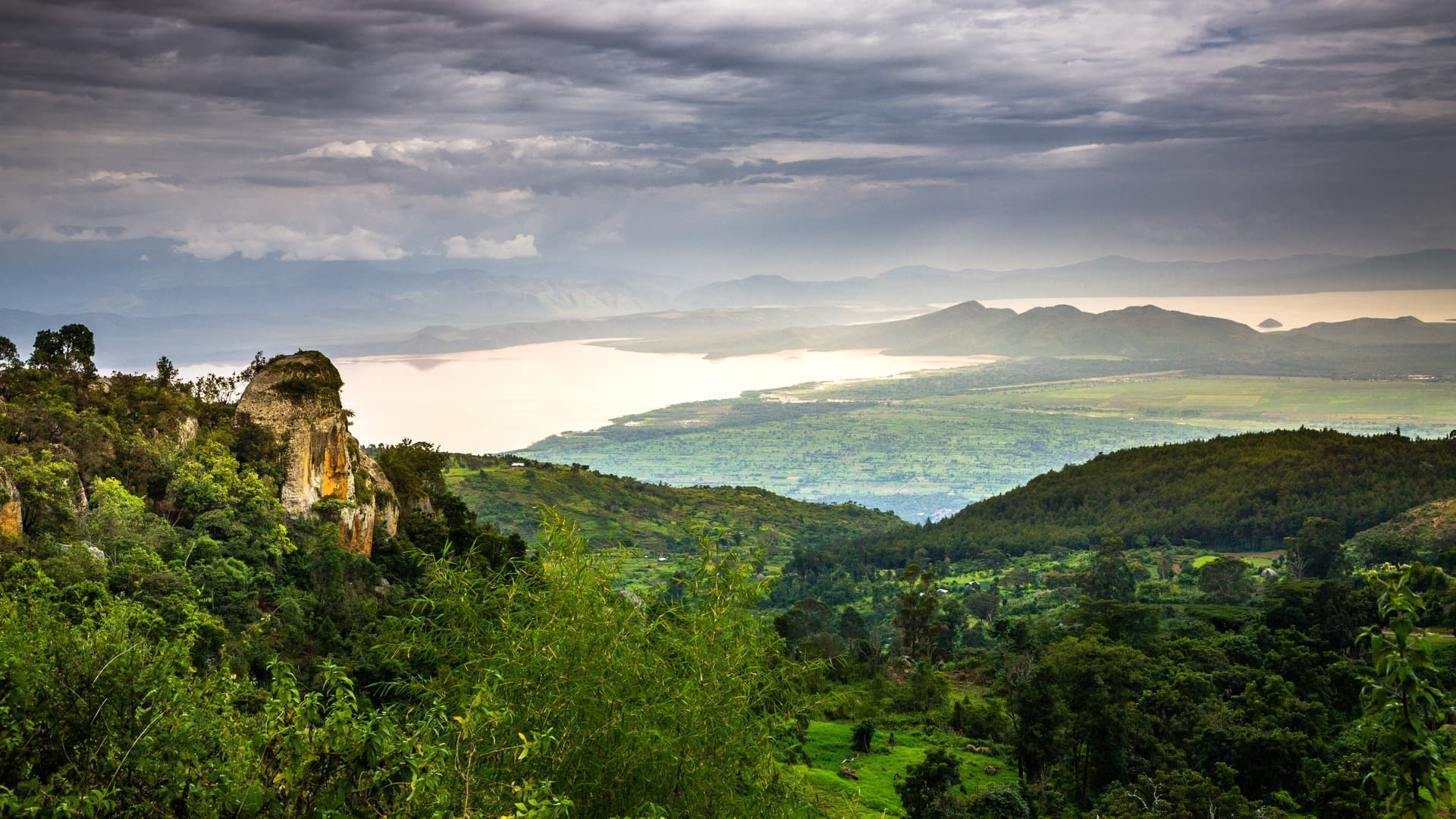
A tectonic fracture stretching across Éthiopie for over 1,000 km, the Great Rift Valley aligns alkaline lakes, active volcanoes and spectacular wildlife between Addis Ababa and Arba Minch.
Built around the 7th century BC in Tigray, Yeha Temple is one of Africa's oldest standing structures. Dry stone masonry, Sabaean inscriptions, and an ancient Orthodox church form an extraordinary archaeological site.
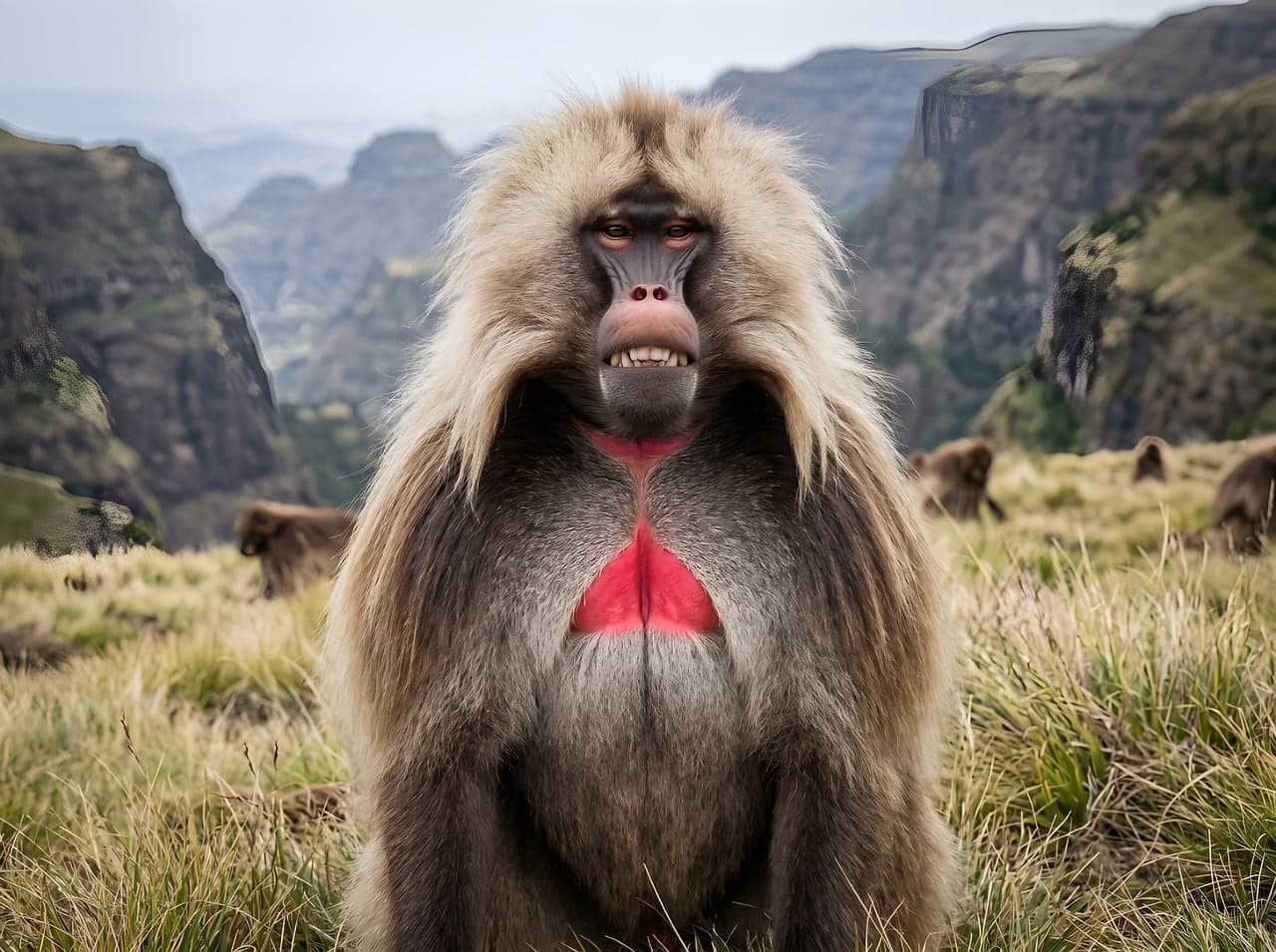
Endemic to Éthiopie, geladas live in herds of several hundred individuals on the high plateaus of the Simien Mountains. Unafraid and remarkably accessible from Gondar, they offer a rare and immersive wildlife experience.
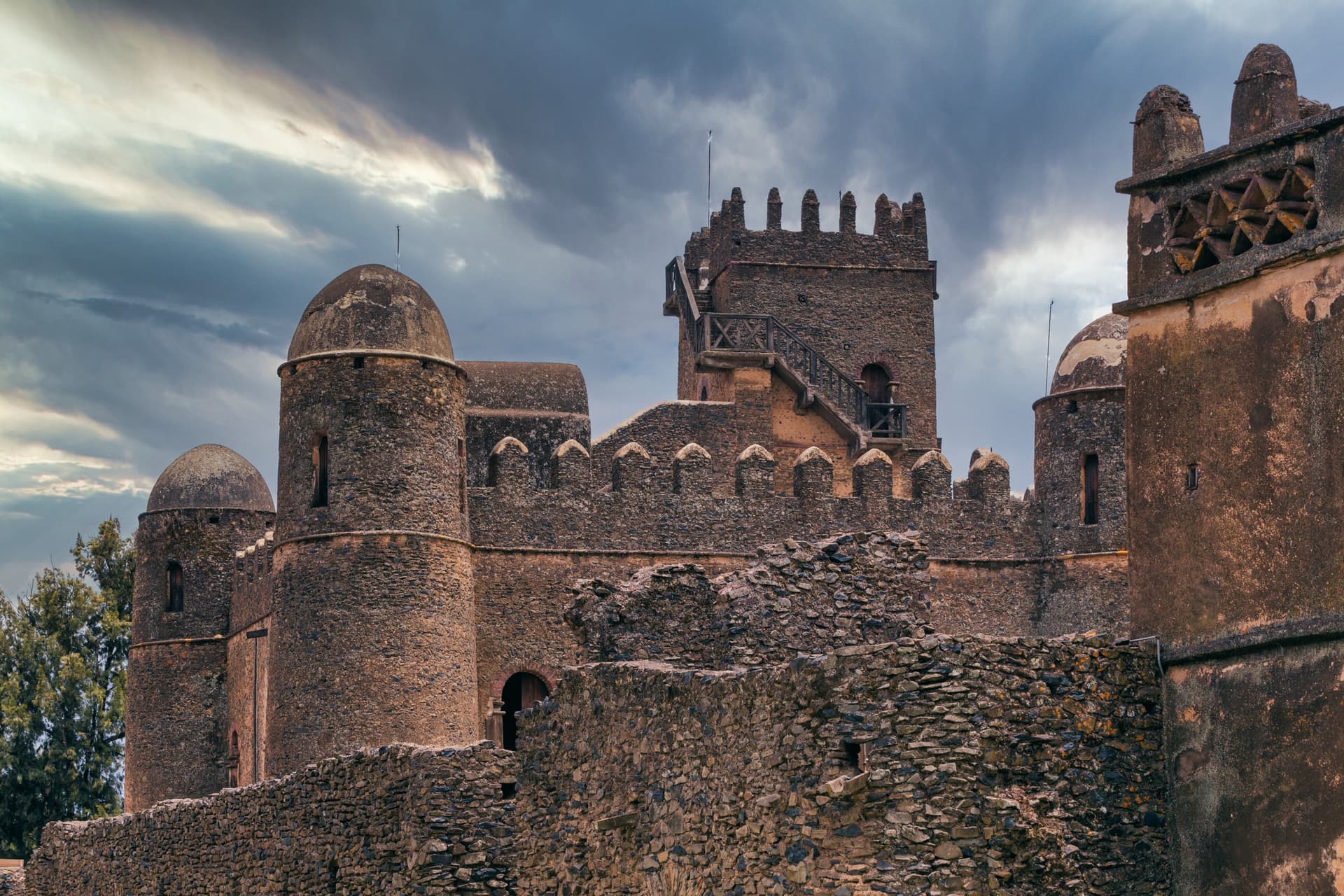
Fasil Ghebbi, the royal enclosure of Gondar, encompasses six imperial Ethiopian palaces from the 17th century, UNESCO-listed. A major site blending Ethiopian, Portuguese and Arab influences in the heart of the city.
At 3,100 m above Addis Ababa, Mount Entoto blends imperial history, 19th-century Orthodox churches and eucalyptus forest with panoramic views over Ethiopia's capital.
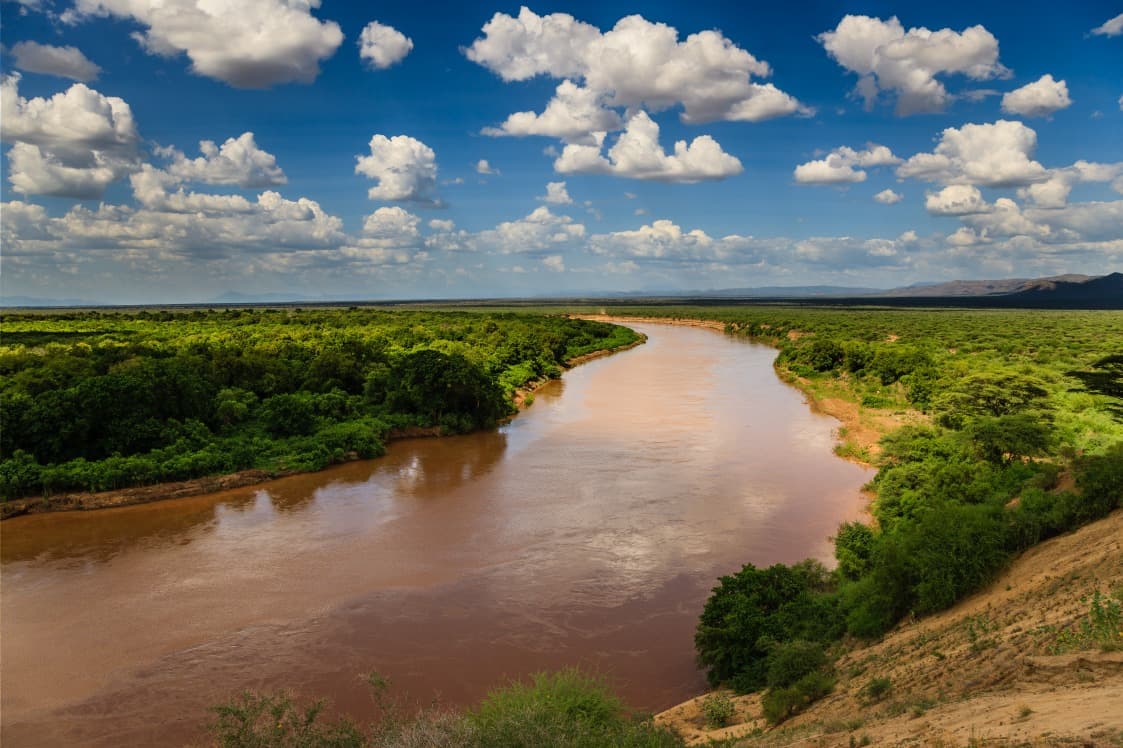
UNESCO site, Mursi and Hamer peoples, national parks and rafting: complete guide to the Omo River and its valley in southern Éthiopie.
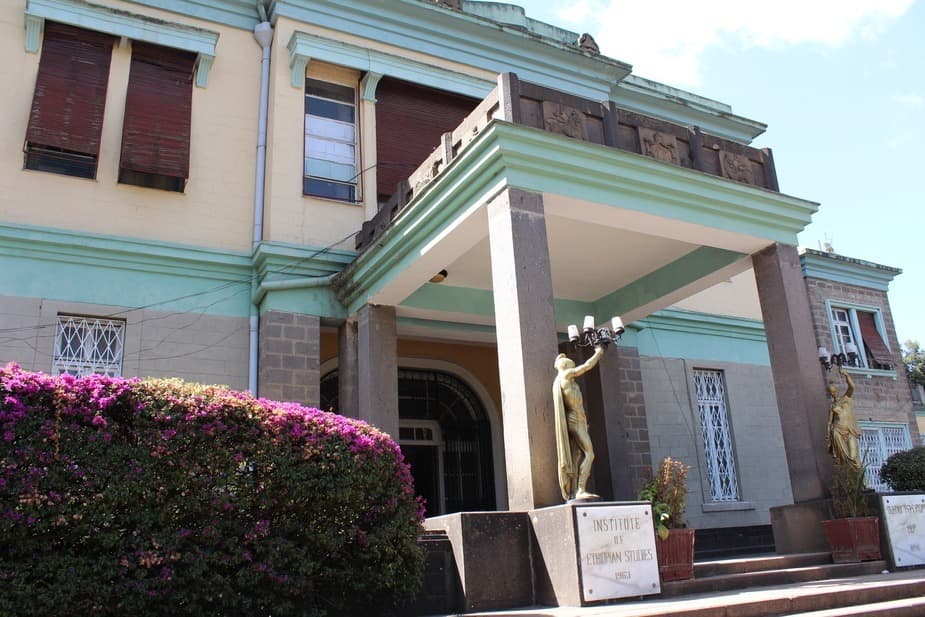
Housed in the former palace of Emperor Haile Selassie, the Ethnological Museum of Addis Ababa traces Ethiopia's history through 13,000 objects and a life cycle narrative journey.
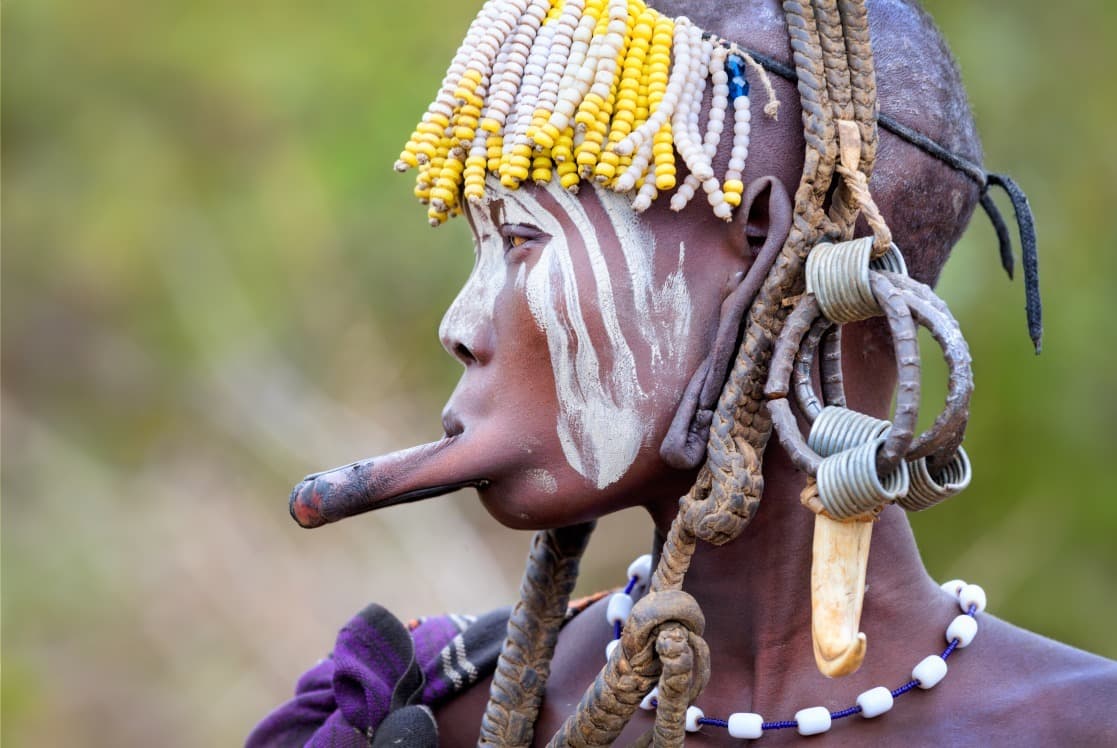
mursi
A semi-nomadic ethnic group in southern Ethiopia, the Mursis live along the Omo River. Practical guide: lip plates, Donga, access from Jinka and ethical visiting considerations.
18 of 43 results
We use cookies to improve your experience and measure our site's audience. You can choose what you accept. Learn more.