Simien National Park
Simien National Park
A volcanic plateau and UNESCO World Heritage site in northern Éthiopie, the Simien massif offers spectacular cliffs, rare endemic wildlife—geladas, Ethiopian wolves, Walia ibex—and the country's highest peak, Ras Dashen.
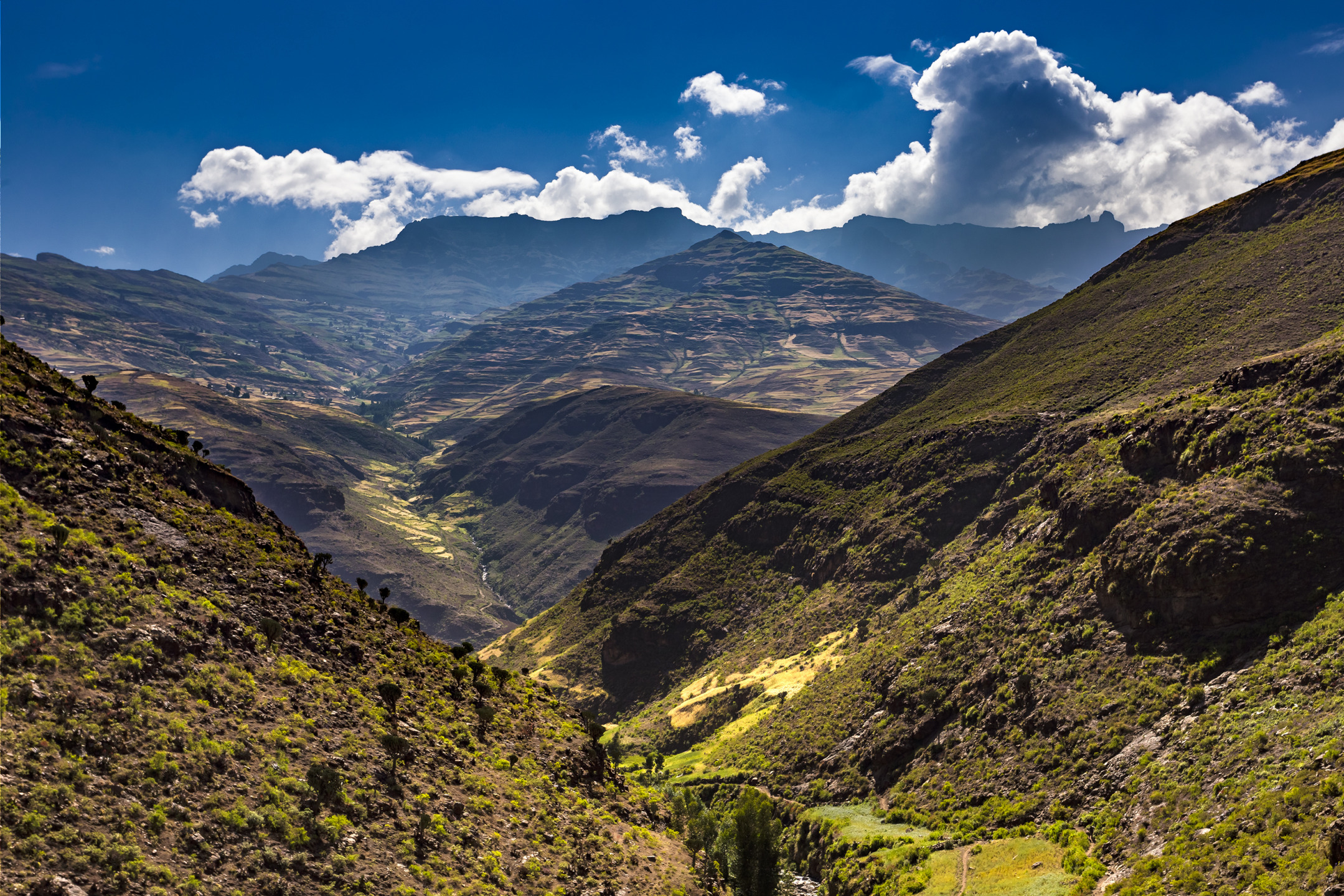
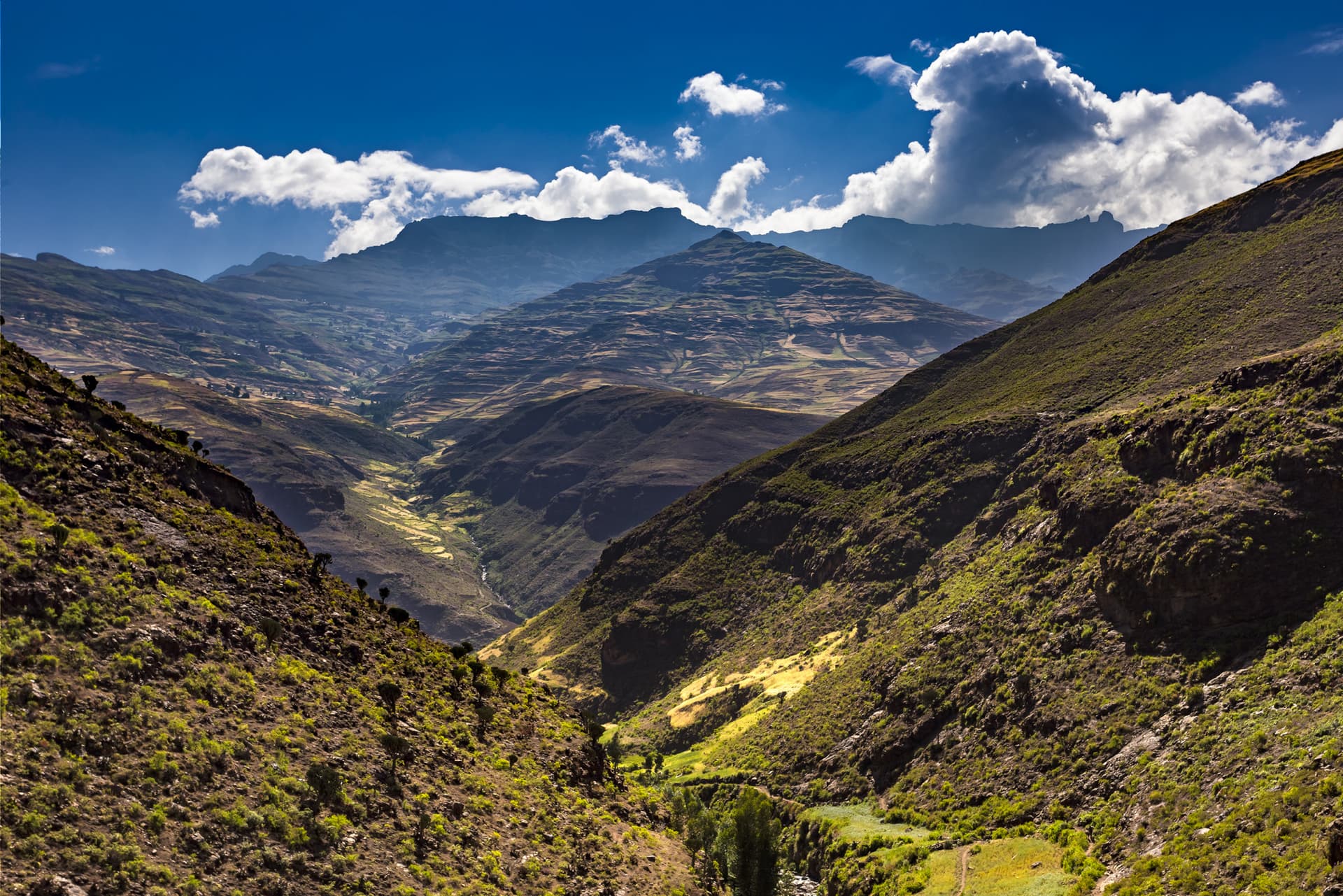
The Simien massif stretches across northern Éthiopie in the Amhara region, just a few hours' drive from Gondar. Listed as a UNESCO World Heritage site, this volcanic plateau carved by erosion rises above 4,500 metres at Ras Dashen, the country's highest peak. Vertiginous cliffs, deep valleys, and high-altitude grasslands shelter rare endemic fauna. It is one of the few places in the world where you can observe the gelada, a red-chested monkey, in the wild.
Practical Information at a Glance
- Entrance: Paid—park entrance fee plus mandatory guide fee
- Guide and armed scout: Required for all hikes within the park
- Recommended duration: 2 to 5 days for main treks; 1 day possible from Gondar for an overview
- Clothing: Warm garments essential—nights at altitude are cold even in the dry season
- Access: From Gondar by 4×4 vehicle to Debark (park entrance), then on rough tracks
- Best season: October to March (dry season); tracks become difficult during the rainy season (June–September)
What You'll See
The landscape is dominated by basalt escarpments plunging several hundred metres. Grassy plateaus host herds of geladas (Theropithecus gelada), sometimes numbering in the hundreds. The Ethiopian wolf, Africa's most threatened canine, frequents the high-altitude zones. The Walia ibex, endemic to Simien, is also seen on rocky cliff faces.
History and Context
Simien has been inscribed on the UNESCO World Heritage List since 1978, recognised for both its natural and geomorphological values. The massif resulted from intense volcanic activity approximately 40 million years ago, followed by millennia of erosion that sculpted the cliffs we see today. The region has been inhabited for centuries by agropastoral communities who continue to practise herding on the high plateaus.
Highlights of Your Visit
The Geech Viewpoint
From Geech camp, the cliffs offer panoramic views over the valleys below. It is one of the first observation points accessible from the park entrance and the place where geladas are most easily spotted at dawn.
Ascending Ras Dashen
At 4,550 metres, Ras Dashen is Éthiopie's highest peak and Africa's fourth highest. The ascent from Ambiko camp requires several days of hiking. The terrain is demanding; good physical fitness and prior acclimatisation are necessary.
Observing Geladas
Geladas live in large groups on high-altitude grasslands. They descend along the cliffs at night to sleep sheltered from predators. In the morning, they climb back up to graze. Approaching slowly and maintaining a respectful distance allows for extended observation without disturbing them.
Sankaber Village
Sankaber is one of the park's first camps, accessible by vehicle. It serves as a base for day hikes and already offers views of the characteristic escarpments of the massif.
Photography Tips
Morning light is ideal for photographing geladas against cliff backdrops. Golden hours (early morning, late afternoon) reveal the depth of the valleys. Plan for medium to telephoto lenses for wildlife. Morning mist can obscure panoramic views—wait for it to clear.
Location and Access
The park is located in the Amhara region of northern Éthiopie. The town of Debark is the administrative gateway; the park office is located here where you pay entrance fees and hire guides and scouts. Gondar, approximately 100 km to the south, is the nearest logistics hub, with hotels and an airport. The Gondar–Debark road is asphalt for most of the route. Within the park, a 4×4 vehicle is essential.
Nearby
- Gondar – Ancient imperial capital with its 17th-century castles, the natural starting point for Simien.
- Churches of Lalibela – Complex of medieval rock-hewn churches carved from stone, a few hours' drive to the southeast.
- Lake Tana – Éthiopie's largest lake, with island monasteries accessible by boat from Bahir Dar.
Frequently asked questions
The dry season, from October to March, is most favourable. Tracks are passable, visibility is good, and daytime temperatures are pleasant. Avoid the rainy season (June–September): tracks become muddy and views are often obscured.
Yes, a local guide and armed scout are mandatory for all hikes within the park. They are engaged at the park office in Debark. This rule applies to all visitors, including experienced hikers.
A day trip is possible to the first viewpoints (Sankaber, Geech), but it does not allow for optimal wildlife viewing or access to the wildest areas. Two to three nights on site are recommended.
The gelada is the most easily observed species, often in large groups on grasslands. The Walia ibex frequents rocky cliff faces. The Ethiopian wolf is present at altitude but more elusive. Sightings are never guaranteed.
Basic hikes (Sankaber, Geech) are accessible to those in good walking fitness. Ascending Ras Dashen is a multi-day expedition requiring good physical condition and altitude acclimatisation. Mountain sickness can occur above 3,500 metres.
Yes. Gondar and Lake Tana (Bahir Dar) combine naturally with Simien on a northern circuit. Lalibela can be easily added by extending south-east, either by plane or vehicle.
Want to discover this destination?
Our local advisors design your tailor-made trip.