The Must-See Museum and Monument in Addis Ababa
Éthiopie's capital, Addis Ababa, will certainly be a highlight of your visit to the country. It will be your first point of entry through Bole International Airport
Éthiopie's capital Addis Ababa will undoubtedly be a focal point during your journey through the country. It will be your entry point via Bole International Airport, and serves as a natural crossroads for onward travel throughout the territory. Some visitors prefer a quick passage through the capital to maximize time exploring the rest of the country, while others enjoy lingering longer. Either way, here are some insights to help you make the most of your time here.
Perched on a plateau at altitudes ranging from 2,300 to 2,600 meters, Addis Ababa is the world's 5th highest capital. This elevation ensures pleasant, sometimes crisp temperatures year-round, especially on winter mornings. The rainy season extends from June through September. In any case, this barely impacts your visits to the museums and monuments available to explore.
Lucy
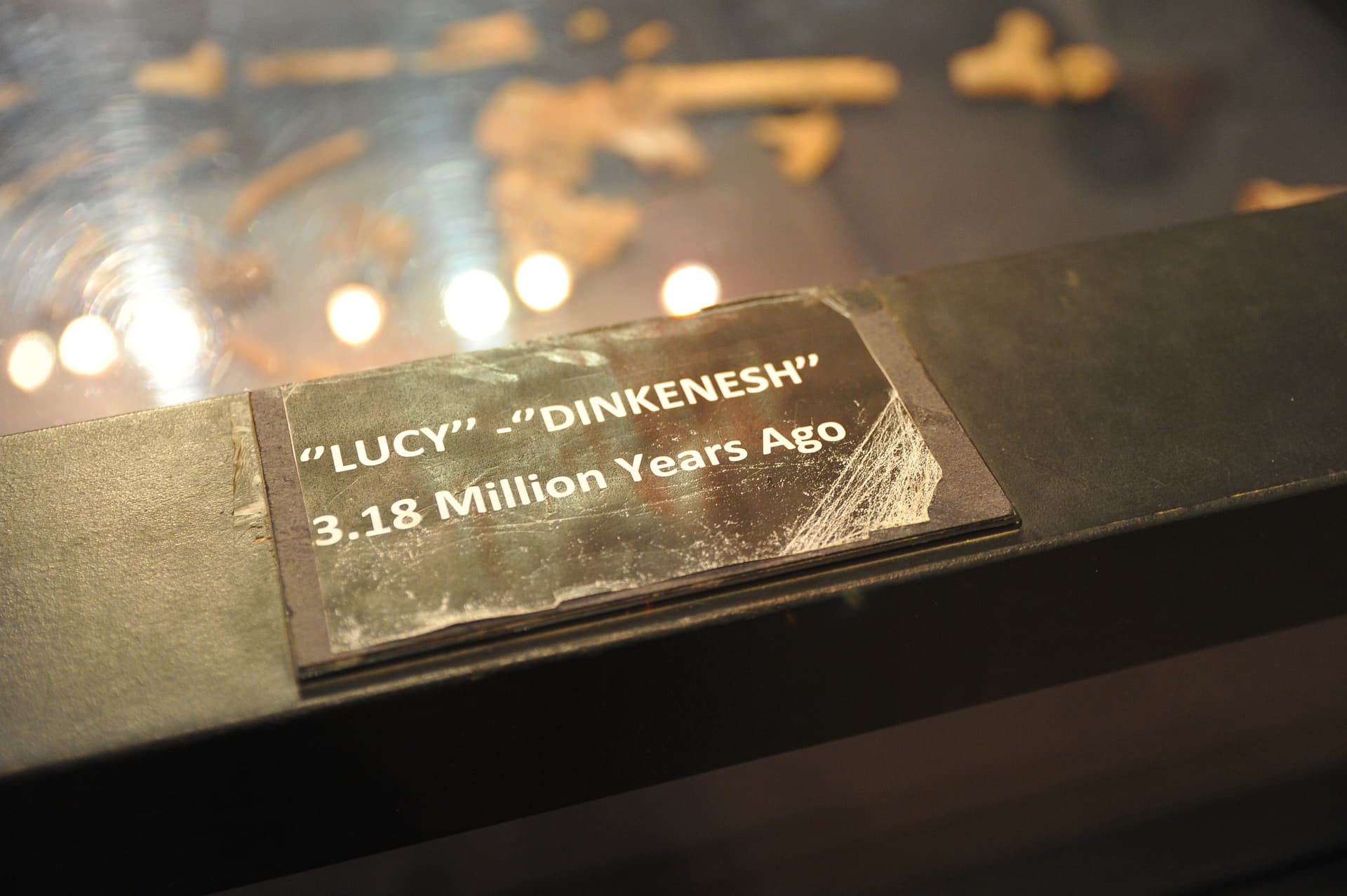
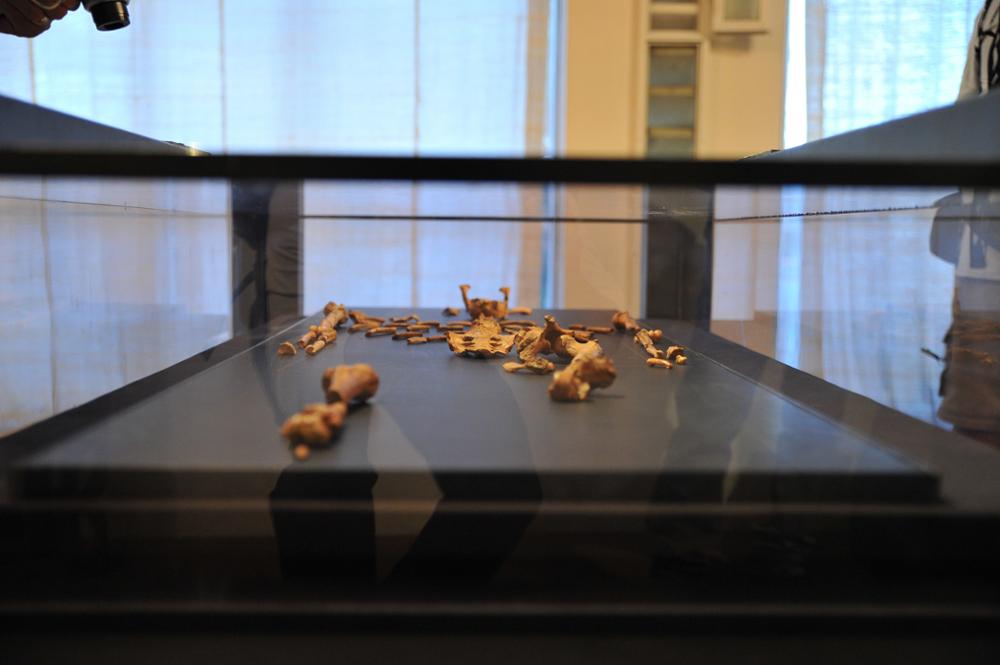
Known as the cradle of humanity, Éthiopie stands as a land of discovery that fundamentally transformed our understanding of human origins. The fossilized remains of Lucy, unearthed in 1974 at the Hadar archaeological site in the Afar region, represented the earliest signs of ancient life recovered in exceptionally good condition (40% of the skeleton was found). Lucy's discovery demonstrated that human bipedalism emerged at least 3.2 million years ago.
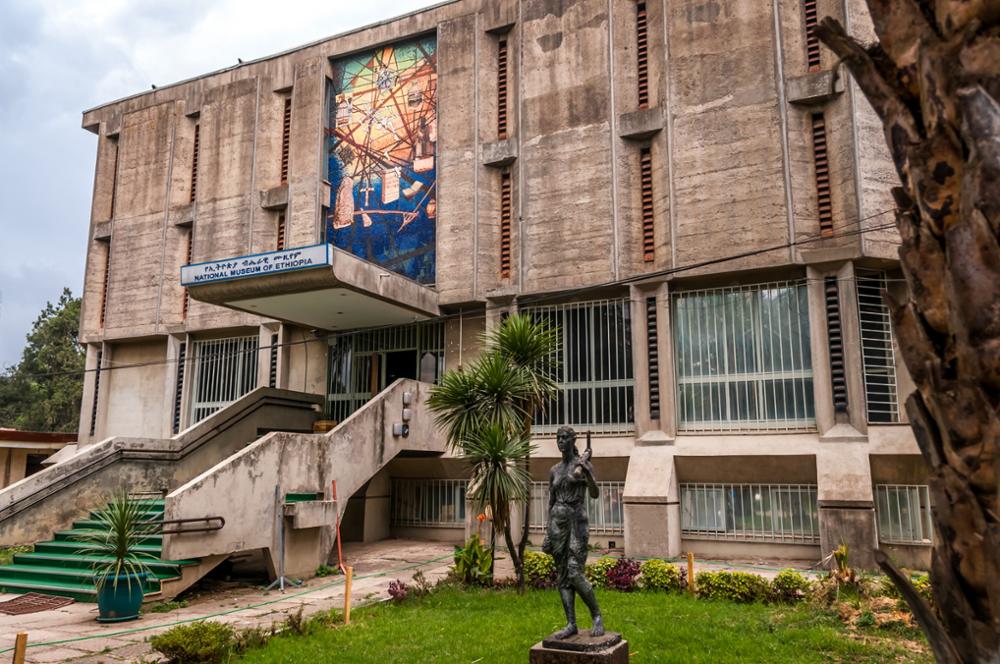
The original skeleton is preserved at the National Museum of Éthiopie in Addis Ababa, located near the city's Institute of Technology. While you'll view a replica, you'll find the unique original piece displayed nearby! A replica of the juvenile fossil Selam, discovered in the same region in 2000, is also exhibited in the museum. Definitely worth a visit.
The Mausoleum of Emperor Menelik II
The victor of the legendary Battle of Adwa. This clash between Éthiopian and Italian forces on March 1, 1896, marked a turning point in the history of both the nation and the continent at large. A defining symbol of Pan-Africanism: the liberation of African nations from colonial powers and continental solidarity. Italy sought to establish a protectorate over Éthiopie at the time, a plan to which Emperor Menelik II fiercely objected.
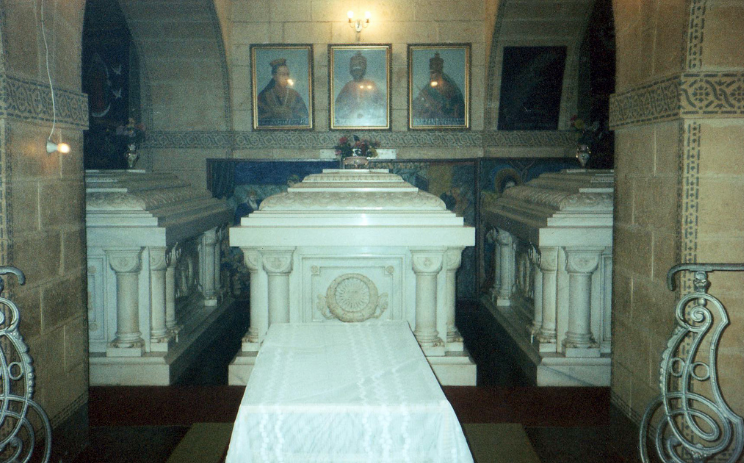
His defiance secured his nation's place in history as one of only two African territories (alongside Liberia) never to be colonized. The emperor now rests alongside his daughter and wife within his mausoleum, housed inside Menelik Palace, the palace of Éthiopie's emperors, which you can visit in Addis Ababa.
Frequently asked questions
The National Museum of Éthiopie is situated near Addis Ababa's Institute of Technology. It houses a replica of Lucy's fossil, with the original preserved in an adjacent chamber, as well as a replica of the juvenile fossil Selam, discovered in 2000.
The museum displays a cast of Lucy's skeleton, while the original is preserved in a dedicated chamber nearby. Lucy, discovered in 1974 at the Hadar site in the Afar region, represents 40% of a 3.2-million-year-old skeleton.
The Battle of Adwa on March 1, 1896, was Éthiopie's victory under Emperor Menelik II against Italian forces seeking to colonize the nation. It stands as a powerful symbol of Pan-Africanism and ensured that Éthiopie remained one of only two African countries never to be colonized.
Emperor Menelik II rests in his mausoleum within Menelik Palace, the palace of Éthiopie's emperors, which you can visit in Addis Ababa. He is entombed alongside his daughter and wife.
Addis Ababa enjoys a pleasant climate year-round thanks to its elevation (between 2,300 and 2,600 meters). Winter mornings can be cool. The rainy season runs from June through September, but it does not hinder visits to museums and monuments.