What Do People Eat in Ethiopia?
Ethiopian cuisine is an integral part of the country's culture. Often made with teff grains and berbere sauce, traditional dishes take us on a culinary journey...
Ethiopian cuisine is an integral part of the country's culture. Often made with teff grains and berbere sauce, traditional dishes take us on a culinary journey, thanks to their distinctive flavors... Curious to taste the beer tella or wat ? Here are the best dishes to eat in Ethiopia!
Traditional dishes to eat in Ethiopia
Wat (doro, sega shiro)
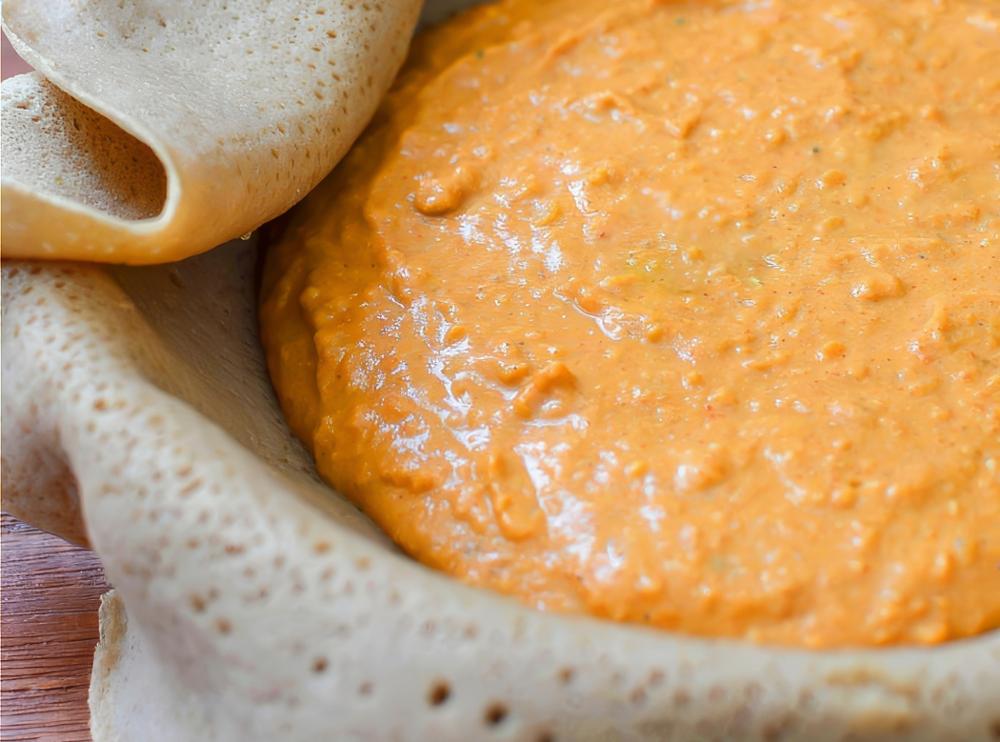
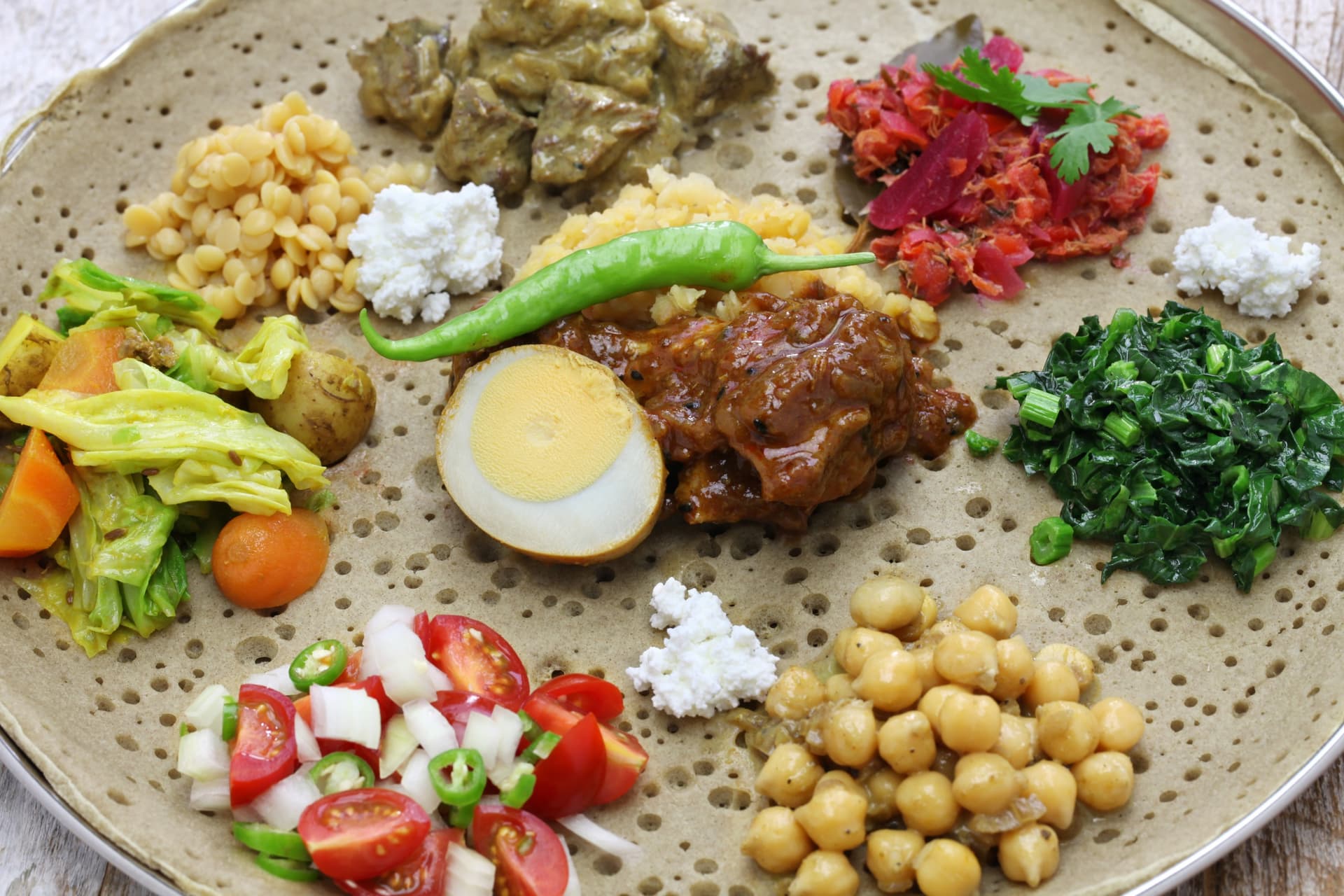
Wat is a vegetable stew – made notably with carrots, braised potatoes and cabbage – that comes in several varieties. The three main recipes are made with chicken (doro wat), beef (sega wat) and legumes (shiro wat, the vegetarian version with lentils or chickpeas).
Shiro wat is particularly consumed during periods of religious fasting (when foods of animal origin are forbidden). During these days of abstinence, Ethiopian Orthodox Christians eat only one meal a day – always after 3:00 PM. Depending on the restaurant, you'll find recipes that are more or less spicy (key wot or alicha wot).
Injera
Injera is a fermented flatbread with a spongy texture, made with water and teff grains (a cereal emblematic of Éthiopie, rich in protein and gluten-free). Served with a wide variety of sauces (placed in the center of the bread), injera serves as both plate and meal! How to eat it? You tear off small pieces of bread (with your right hand), eat the sauces, and then the flatbread itself.
Berbere
Berbere is a seasoning blend made with red onions, garlic, ginger, dried chili, cardamom and cinnamon, among other ingredients. This (very) spicy mixture accompanies many Ethiopian dishes and is sometimes mixed with clarified butter (niter kibbeh).
Kitfo
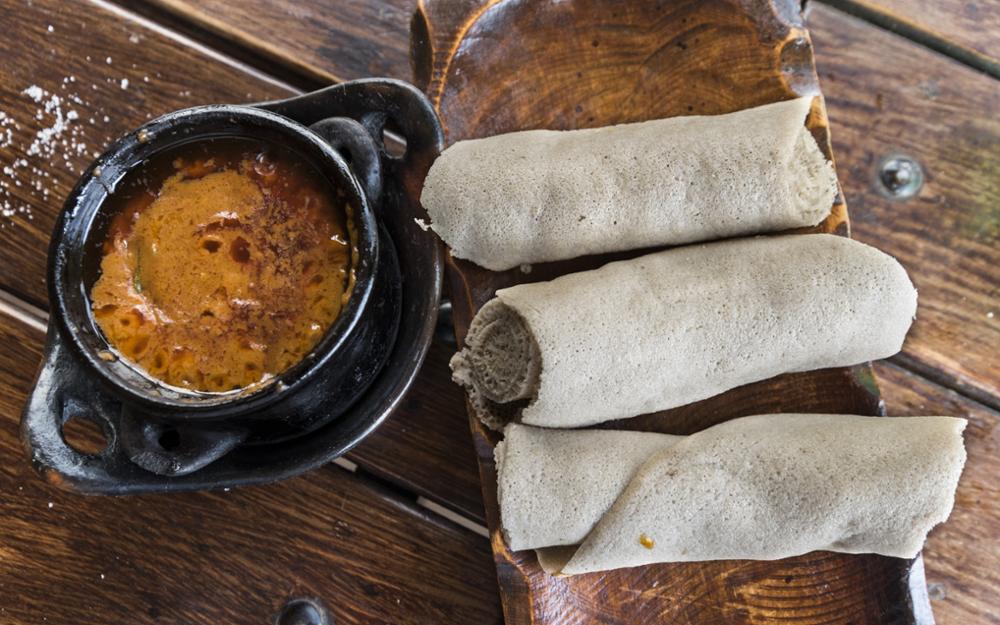
Kitfo (or ketfo) is Ethiopian-style beef tartare. Presented as a minced or cubed dish (gored gored), this traditional meal is seasoned with niter kibbeh, spices and chili. This dish comes in various recipes, cooked to different degrees: kitfo dulet (fried tripe and offal) or kitfo leb (rare). This dish is prepared for festive meals or eaten after a hard day's work – because of its protein content.
Tibs
A must-try of Ethiopian cuisine, tibs are sliced or cubed meat (lamb, beef or venison) sautéed in a pan with vegetables and clarified butter. It's seasoned with herbs and berbere sauce. Quick to prepare (about 15 minutes), this recipe is convivial and eaten with your fingers and an injera flatbread.
Genfo
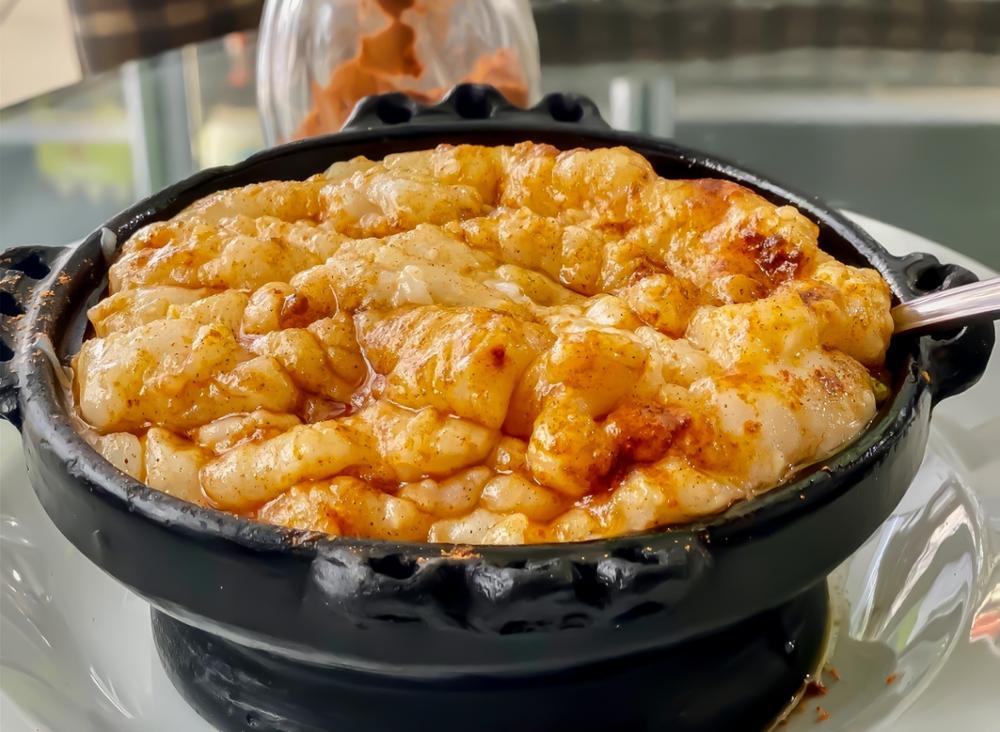
Made with wheat, barley and red onions, butter and legumes: genfo is a type of volcano-shaped porridge. Eaten at breakfast or lunch, this dish is also shared to celebrate a birth.
Typical beverages in Ethiopian cuisine
Tedj
Tedj is an Ethiopian mead flavored with honey and buds of gersho (a plant native to Africa and Arabia). Usually served in a dedicated carafe, its alcohol content ranges between 6 and 15%. This wine is also used in the recipe for awaze (a traditional Ethiopian sauce made with berbere and mitmita).
Tella
Beer is a much-appreciated beverage in Éthiopie. Tella, made with teff grains and gersho leaves, is one of the most consumed. Filtered or unfiltered, depending on the recipe, it contains between 2 and 6% alcohol. It's also a beer brewed by locals – who signal its artisanal production in front of their homes.
Spris
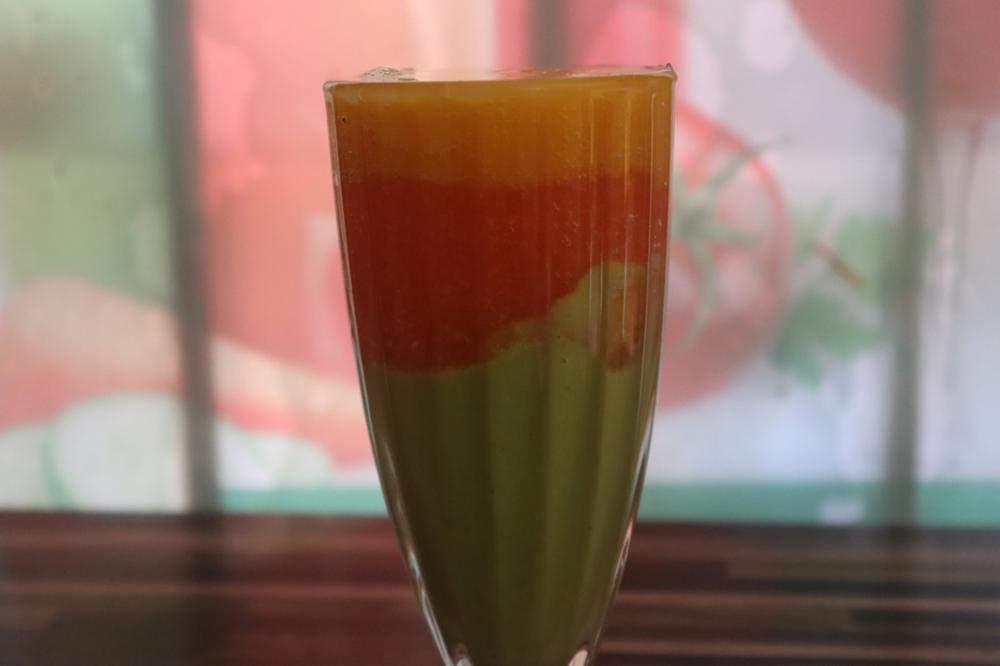
An emblematic Ethiopian beverage, spris is a preparation made with tea and coffee. When properly prepared, the coffee is meant to float above the tea, creating a drink divided into two distinct layers! This beverage is typically sweetened with a generous spoonful of sugar.
The term spris can also refer to a drink made with fruit juice (traditionally mango, papaya and avocado) whose layers are also layered on top of each other.
Coffee (jebena buna)
In Éthiopie, coffee is not just a simple beverage, but an emblematic product of local culture! Consumed daily, coffee is also served for special occasions. In such cases, it's accompanied by a very precise service, similar to a ritual… Jebena buna refers to the traditional coffee ceremony.
After being washed, sorted, and roasted, coffee beans are ground in a mortar and then filtered into a beverage. Once prepared, the hot coffee is served in a jebena (a black earthenware vessel). The first infusion is called awel, the second kale i and the last baraka. Coffee may be accompanied by Himbasha – a sweet Ethiopian flatbread.
Frequently asked questions
Injera is a fermented flatbread with a spongy texture, prepared with teff grains, an Ethiopian cereal that is gluten-free and rich in protein. It serves as both plate and utensil: sauces are placed in the center, then it's eaten by tearing it apart with the fingers of your right hand.
Yes! Ethiopian cuisine offers many vegetarian options, notably thanks to Orthodox fasting days when foods of animal origin are forbidden. Shiro wat (chickpea or lentil stew) and injera are vegetarian staples. Additionally, teff used for injera is naturally gluten-free.
Berbere is a spice blend widely used in Ethiopian cooking. It's made with red onions, garlic, ginger, dried chili, cardamom and cinnamon, among other ingredients. This spicy mixture accompanies many dishes like tibs or wat, and can be mixed with clarified butter (niter kibbeh).
Jebena buna is the traditional Ethiopian coffee ceremony. Beans are washed, sorted, roasted and then ground in a mortar before being filtered. The coffee is served in a black earthenware vessel called a jebena. The ceremony includes three successive infusions: awel (the first), kale i (the second) and baraka (the last), often accompanied by the sweet flatbread Himbasha.
In Éthiopie, two traditional alcoholic beverages are essential: tedj, a mead flavored with honey and gersho buds ranging from 6 to 15% alcohol, and tella, an artisanal beer made with teff grains and gersho leaves, containing between 2 and 6% alcohol. Tella is often brewed at home by locals.