Omo Valley: Meet the Different Ethnic Groups
Located in southern Ethiopia, the Omo Valley takes its name from the river of the same name that winds through the Ethiopian plateau. It is a wild region where the fauna and flora are absolutely breathtaking.
Located in southern Ethiopia, the Omo Valley takes its name from the river of the same name that winds through the Ethiopian plateau. It is a wild region where the fauna and flora are absolutely breathtaking. But beyond the lunar landscapes, the volcanic hills and the numerous wild animals, the Omo Valley is above all renowned for its many ethnic groups with ancestral rites and customs. Here's more about these peoples untouched by modernity…
The Omo, the valley of 80 ethnic groups
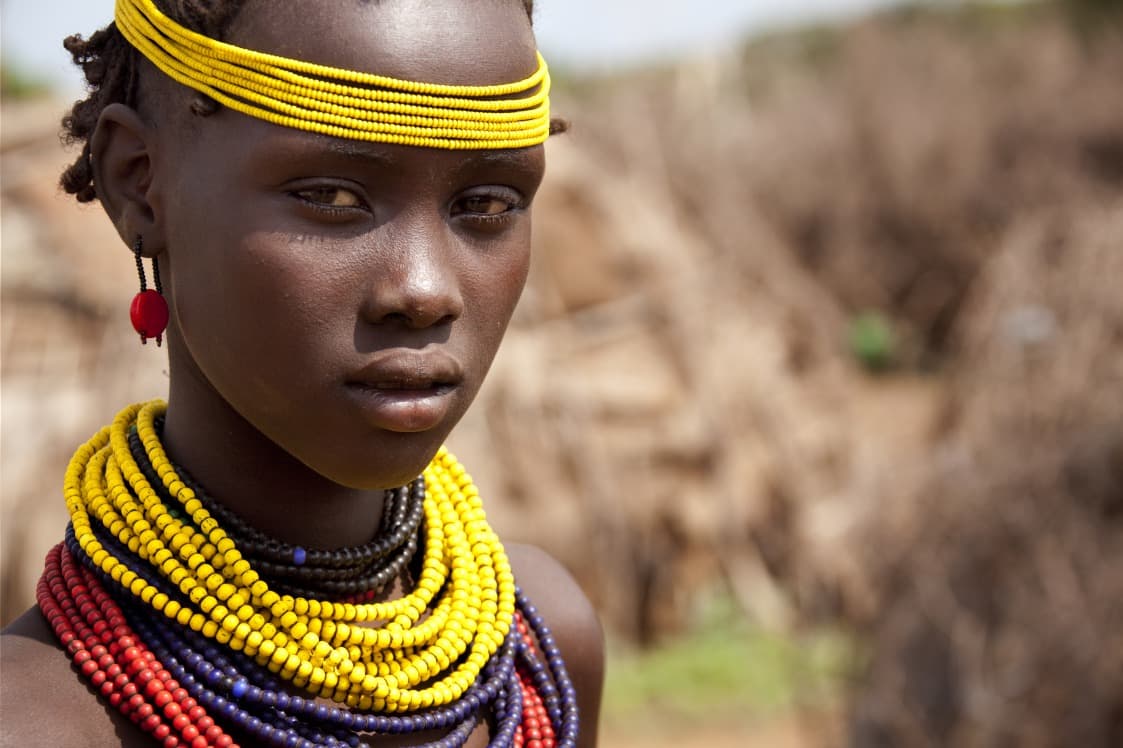
Imagine a region of Africa where courage and honor are measured by scarifications and body paintings, where wealth is counted in heads of cattle, where ancestral customs dictate the daily lives of men and women. Welcome to the Omo Valley in Ethiopia where more than 80 ethnic groups live isolated from the rest of the world and have done so for millennia. Each group possesses its own language, culture, and ancestral traditions and customs. They all share one thing in common: their way of life is sometimes difficult since it depends on hunting, craftsmanship and nature, but above all, it is authenticity at its finest!
Among all the ethnicities, there are farming tribes, herders and semi-nomadic pastoralists, the most well-known being: the Hamers, the Mursis, the Turkanas, the Karos, the Surmas, the Bumes, the Galebas, the Dassanetchs, the Bodis, the Konsos, the Dorzes, the Nyangatoms, the Arbores, the Tsemays, the Aris, the Benas, the Bumis… Meeting one or more English-speaking Ethiopian ethnic groups is to treat yourself to a journey outside of time in perfect harmony with nature.
Immersed in the daily life of Ethiopian ethnic groups
As you can see, the many ethnic groups that make up the country are the great wealth and the identity of this nation. Traveling to Ethiopia without discovering its men and women is to discover the country only halfway. To give you a glimpse of the daily life of these peoples, here are some ethnic groups you can discover for a perfect immersion during your trip to Ethiopia:
The Hamer people
The territory of the Hamers extends east of Mago Park to the shores of Lake Stephanie in the south. The members of this ethnic group are mostly cattle herders or cultivators of sorghum, tobacco or cotton. The Hamers are recognizable by their adornments, their makeup and their body paintings. If you visit a Hamer village, you may be able to witness the famous jumping of the cattle rite which allows young adolescents to become men.
The Konso people
This ethnic group lives in a hilly territory and a few kilometers from Lake Chamo, where hippopotamuses, crocodiles and pelicans live. The cultural landscape of the Konsos is even listed as a UNESCO World Heritage site. The Konsos are renowned for their pacifist way of life (without weapons, without hunting, without fishing). The activities of this ethnic group focus on cotton fabric production, metalworking, pottery but above all on agriculture with their terraces built on hillsides.
The Mursi people
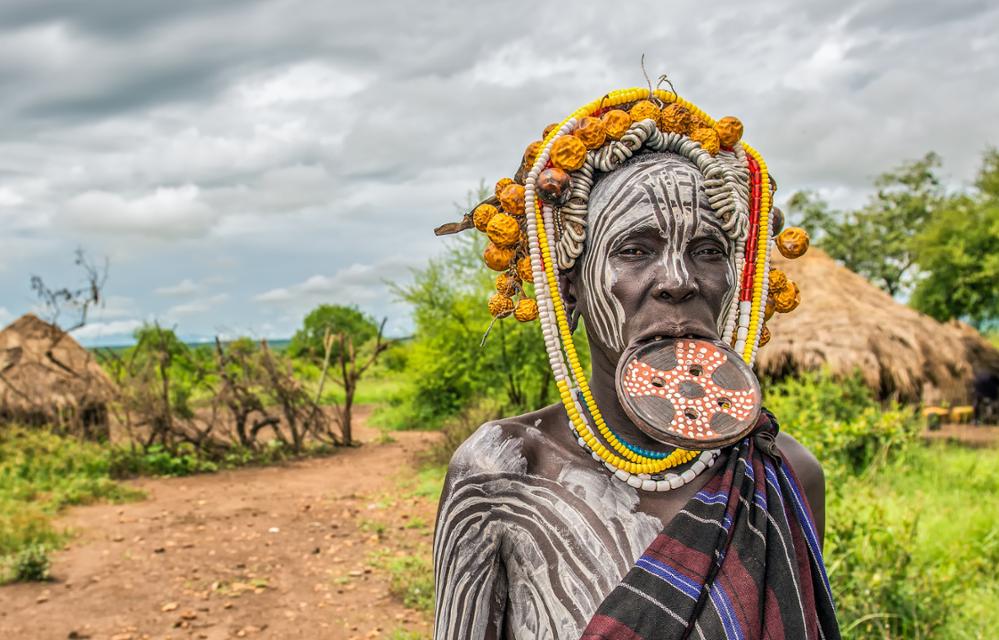
It is in Mago Park that we find this semi-nomadic people of agro-pastoralists. They are renowned for their preserved warrior practices and are characterized by their numerous scarifications. While women wear lip ornaments (the famous clay plates inserted directly into the lower lips), men have their ears pierced to place wooden rings. If you visit a Mursi village at the end of the rainy season, you may witness the Donga, a tradition that is passed down through generations. It is a tournament that challenges young men who want to marry.
The Dorze people
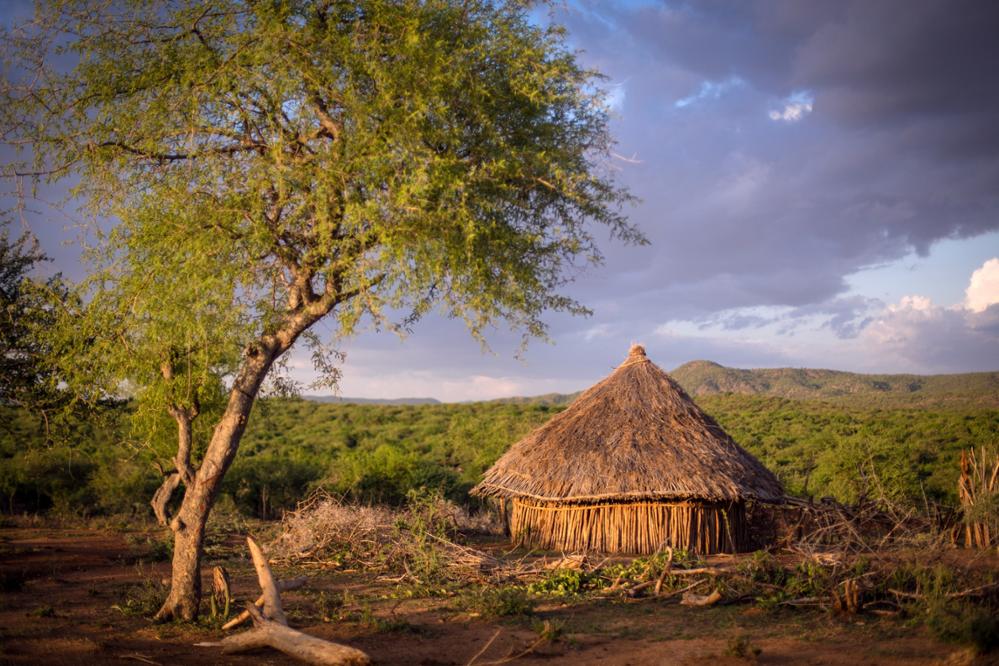
The Dorze ethnic group lives across the mountains on the slopes of Mount Gugué in the Gamu Gofa region. They are renowned for their elephant houses and their culinary traditions. The villages of the Dorze people and their unique dwellings made of bamboo and false banana leaves – sometimes reaching 12 meters high – are among the must-sees on a trip to Ethiopia.
Frequently asked questions
The Omo Valley is home to more than 80 distinct ethnic groups, each with its own language, traditions and ancestral customs. Among the most well-known are the Hamers, the Mursis, the Konsos, the Karos and the Dorzes.
The best time to visit the Omo Valley is during the dry season, from November to February. This period allows for easier travel on the tracks and the opportunity to witness many ceremonies and local markets organized by the different ethnic groups.
From Addis Ababa, you can reach the Omo Valley by plane to Arba Minch, then continue by 4x4 to the villages of the different ethnic groups. It is strongly recommended to travel with a local guide or a specialized Ethiopian tourism agency for a respectful and safe experience.
Cattle jumping is a traditional rite of passage of the Hamer people. It allows young adolescents to prove their courage and become men in the eyes of the community. The young man must run and jump on the backs of several cattle lined up without falling to pass the test.
Mursi women wear lip ornaments, called clay plates, inserted directly into the lower lips. This practice is a cultural tradition specific to the Mursi ethnic group. It symbolizes the social status of the woman and represents a criterion of beauty and identity within the community.
Yes, the cultural landscape of the Konso people is listed as a UNESCO World Heritage site. This listing recognizes in particular their remarkable agricultural terraces built on hillsides as well as their pacifist way of life and their unique craft traditions.