Lake Chamo
Lake Chamo
At the heart of Nech Sar park, near Arba Minch, Lake Chamo brings together Nile crocodiles, hippopotamuses and abundant birdlife in the Great Rift Valley of Éthiopie.
Lake Chamo stretches across southern Éthiopie, at the foot of Arba Minch town, in the Great Rift Valley. With its Nile crocodiles, hippopotamuses and dense birdlife, it forms together with neighboring Lake Abaya the heart of Nech Sar National Park. This practical guide gives you the essentials to prepare your visit.
Why visit Lake Chamo
Lake Chamo combines several interests in a single location. It is one of the best spots in Éthiopie to observe Nile crocodiles in their natural environment, on the sandy banks of the famous azo Gabaya (the "crocodile market"). Hippopotamuses are also well represented here, and wetland areas attract abundant birdlife: pelicans, goliath herons, ibises, fish eagles.
The lake is an integral part of Nech Sar National Park, making it possible to combine a boat excursion and savanna exploration teeming with zebras and gazelles in a single day. Its immediate proximity to Arba Minch (15 to 20 minutes by road from the town center) makes it an easy stop to include in a circuit through southern Éthiopie.
History and context
In 1892, Italian prince Eugenio Ruspoli explored the lake and named it "Lake Umberto" in honor of King Humbert I of Italy. The current name, Chamo, became established later and refers to the local populations settled in the region. The site was incorporated into Nech Sar National Park, created to protect the lacustrine ecosystem and the savannas separating Chamo from Lake Abaya.
The lake is part of the great East African Rift fault, a zone of tectonic activity that shaped the landscapes of the southern part of the country. Part of its waters flows toward Lake Abaya, situated immediately to the north.
What to see and do
Lake characteristics
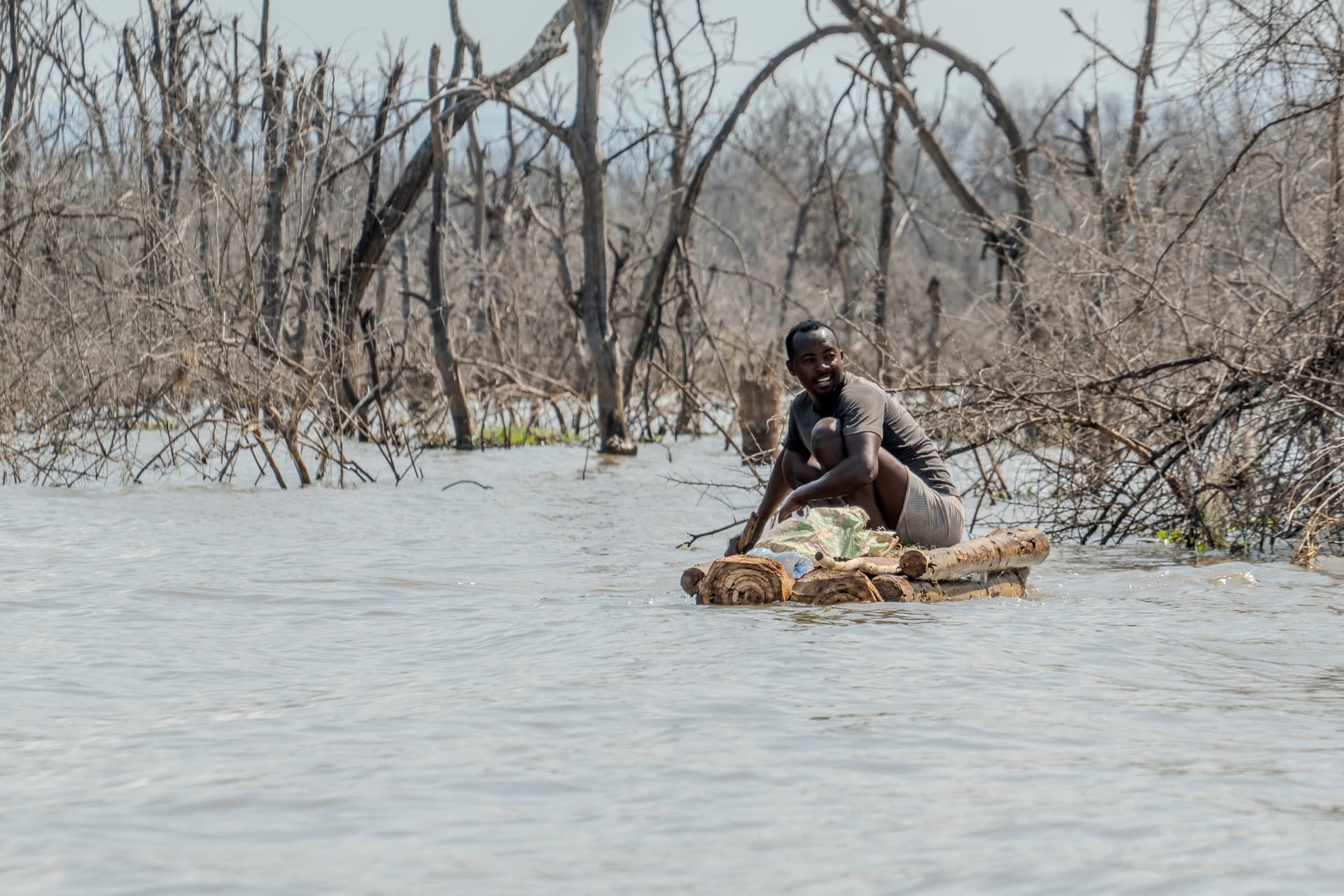
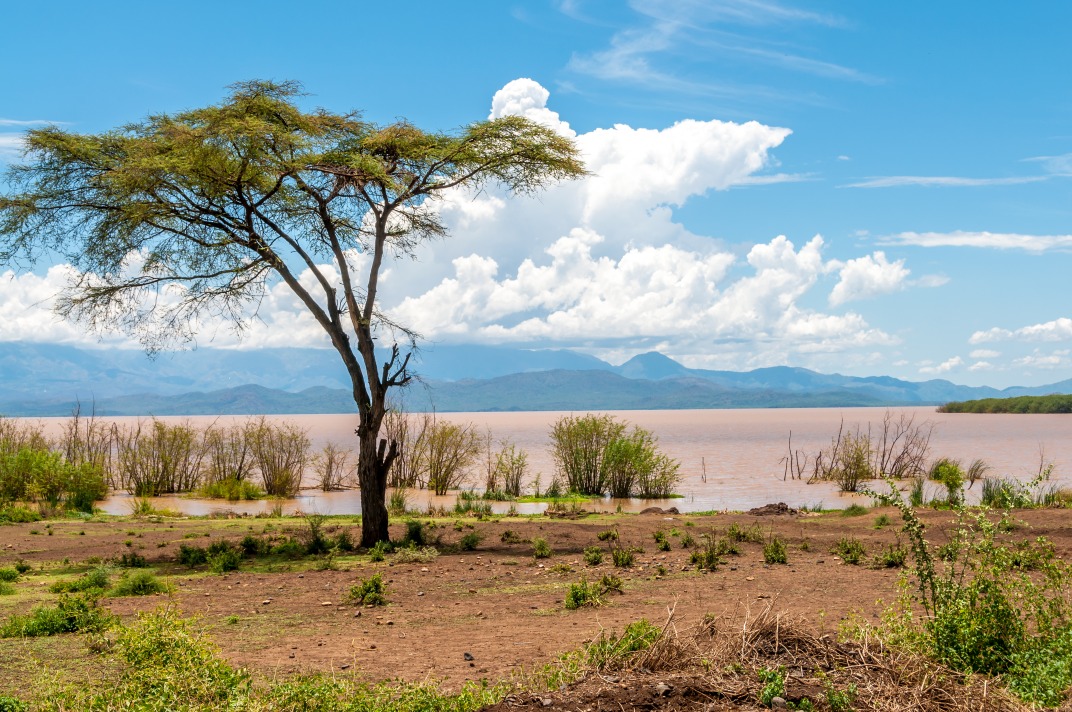
Lake Chamo covers approximately 551 km² with a depth of less than 10 meters. It measures between 26 and 32 km from north to south, and 15 to 22 km wide depending on the season, at an altitude ranging between 1,110 and 1,235 meters. The shores alternate between grasslands, sparse forests and marshes, which explains the richness of its fauna.
Crocodiles, hippopotamuses and fish
The lake is known for its populations of Nile crocodiles, some of which rank among the largest observed in East Africa, reaching 5 to 6 meters for the largest individuals recorded. The crocodile market, or azo Gabaya, is a beach where these reptiles gather in number. The waters are also home to tilapias and catfish, which sustain local fishermen. Hippopotamuses regularly emerge at the surface in the calmest zones.
Birds and terrestrial fauna
The lake shores attract dense birdlife:
- Pelicans
- Goliath, gray and silver herons
- Ibises and egrets
- Fish eagles
- Wild ducks and spurred lapwings
- Kingfishers
In the surrounding hills and savannas of Nech Sar park, you can also observe antelopes, zebras and baboons.
The Isthmus ridge and Nech Sar savanna
Between Lake Chamo and Lake Abaya, a narrow strip of land called the Isthmus ridge, or God's Bridge hills, offers a panoramic viewpoint over both bodies of water. The Nech Sar savanna, a vast grassy plain, is home to zebras and gazelles and lends itself well to 4x4 outings or guided walks.
Proposed activities
Boat excursions, lasting 1 to 2 hours, are the most direct way to approach crocodiles and hippopotamuses. They can be booked in Arba Minch, at hotels or through local agencies. Hikes and vehicle outings are also possible in the park, typically with an official guide.
When to go
The most comfortable period to visit Lake Chamo falls during the dry season, generally from October to March. Park tracks are then passable and wildlife viewing is easier, with animals concentrating around water sources. The major rainy season (June to September) makes some access more difficult, but vegetation is lush and migratory birds are well present between November and February. To observe crocodiles and hippopotamuses, prioritize boat outings early morning or late afternoon.
Practical information
Entry to Nech Sar National Park is paid and settled at the reception post; a guide is generally mandatory for land outings. Plan for a half-day for a boat excursion and a full day if you combine boat, Isthmus ridge and savanna. Bring hat, water, sunscreen and closed-toe shoes. Drones require prior authorization.
The lake faces several pressures: watershed deforestation, erosion, intensive fishing and climate change effects. Following guides' and rangers' instructions helps preserve the site.
How to get there
The gateway to Lake Chamo is Arba Minch, located approximately 450 km south of Addis Ababa. The journey via road A7, through Shashamane and Sodo, typically takes 8 to 10 hours depending on road conditions. A 4x4 vehicle with driver is the most comfortable option and allows for stops along the way. Buses and minibuses also run from Addis Ababa: less expensive, but longer and more basic.
A daily air link connects Addis Ababa to Arba Minch in approximately one hour, which is an interesting alternative to save time. Once there, count 15 to 20 minutes by taxi or private vehicle to reach the lake shores and the entrance to Nech Sar park.
Nearby attractions
- Arba Minch and its "forty springs," an ideal starting point to explore the region.
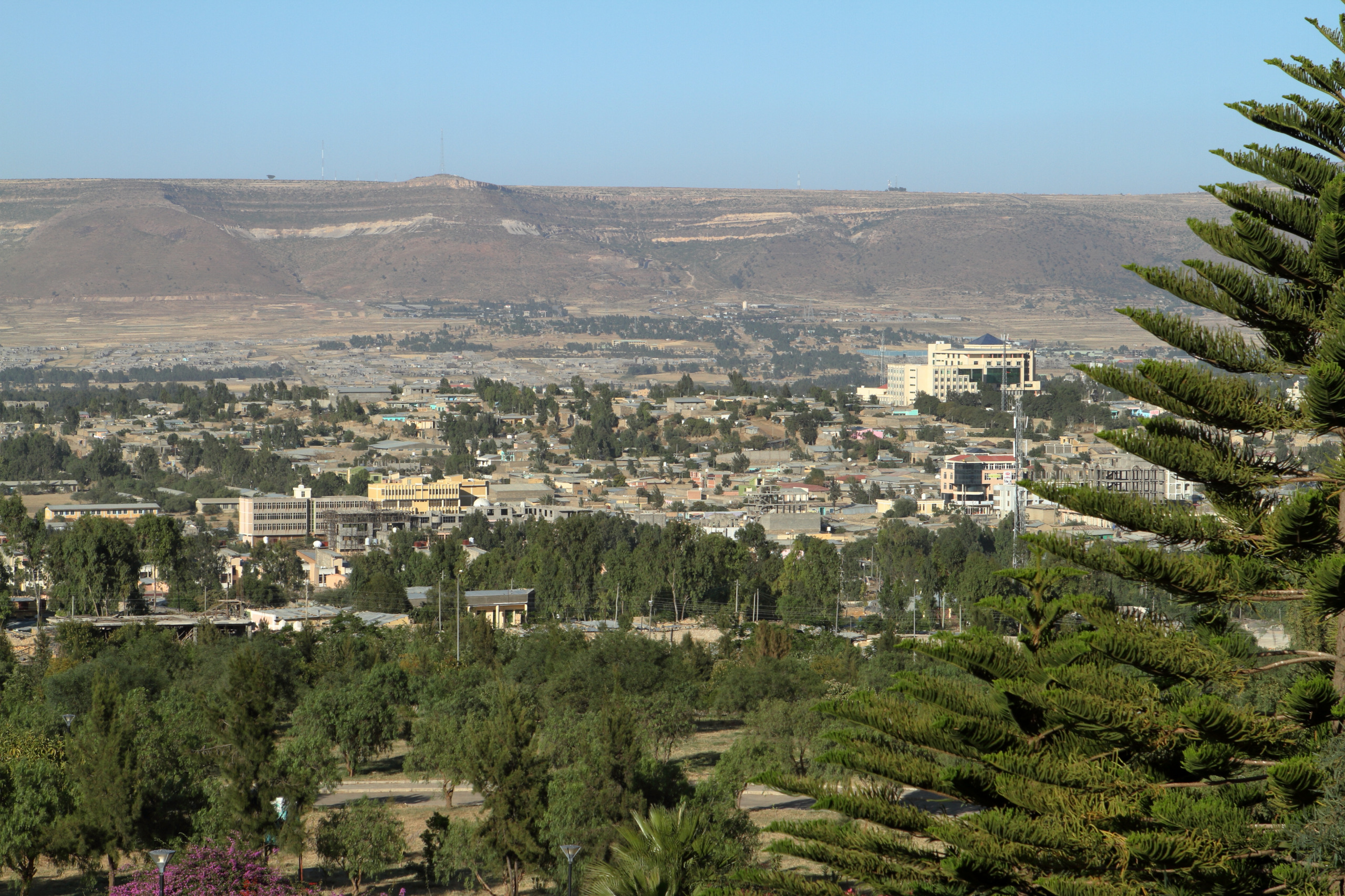
- The Dorze village, perched in the mountains above Arba Minch, famous for its elephant-headed huts and weaving.
- Lake Abaya, immediate neighbor of Chamo, accessible via the Isthmus ridge.
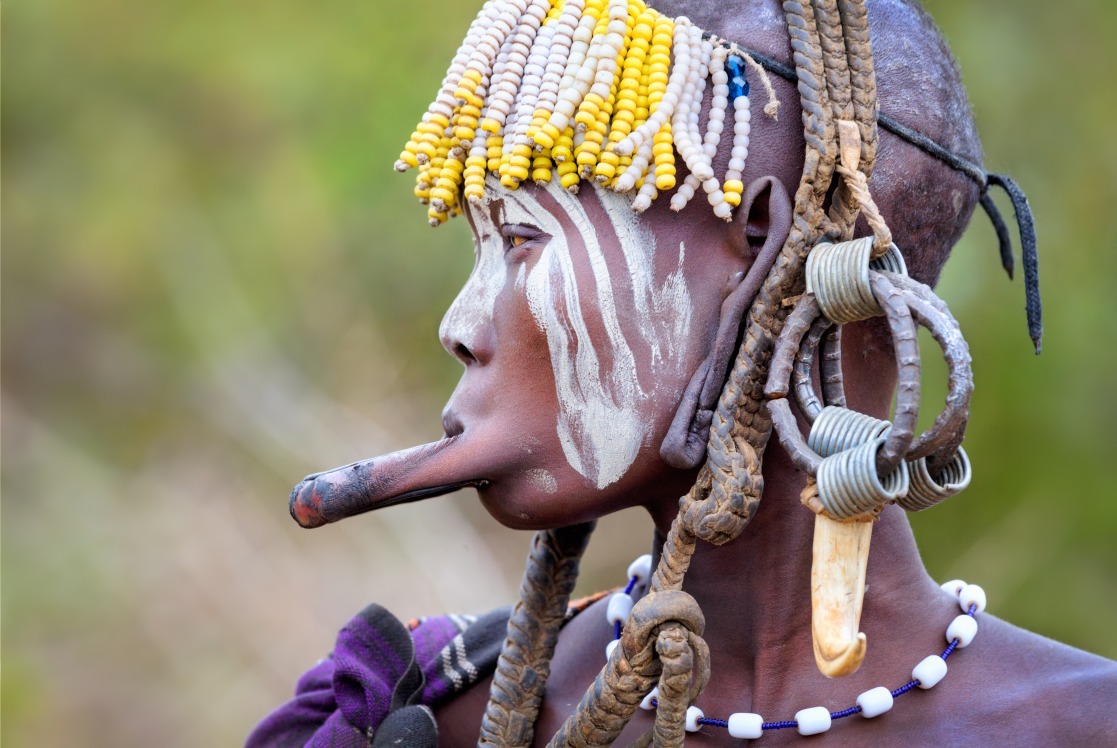
- The Omo Valley and its peoples, further south, to extend your journey.
Frequently asked questions
Frequently asked questions
Plan your trip
Lake Chamo fits naturally into a circuit through southern Éthiopie, between Arba Minch, Omo Valley villages and the highlands. To build a custom itinerary including this region, consult our trips to Éthiopie.
Interested in this visit?
We can include it in your personalised itinerary.