Alaba Village
Alaba Village
Along Ethiopia's southern route, Alaba unveils its painted Halaba huts, its bustling Thursday market, and the pink flamingos of Abijatta-Shalla National Park.
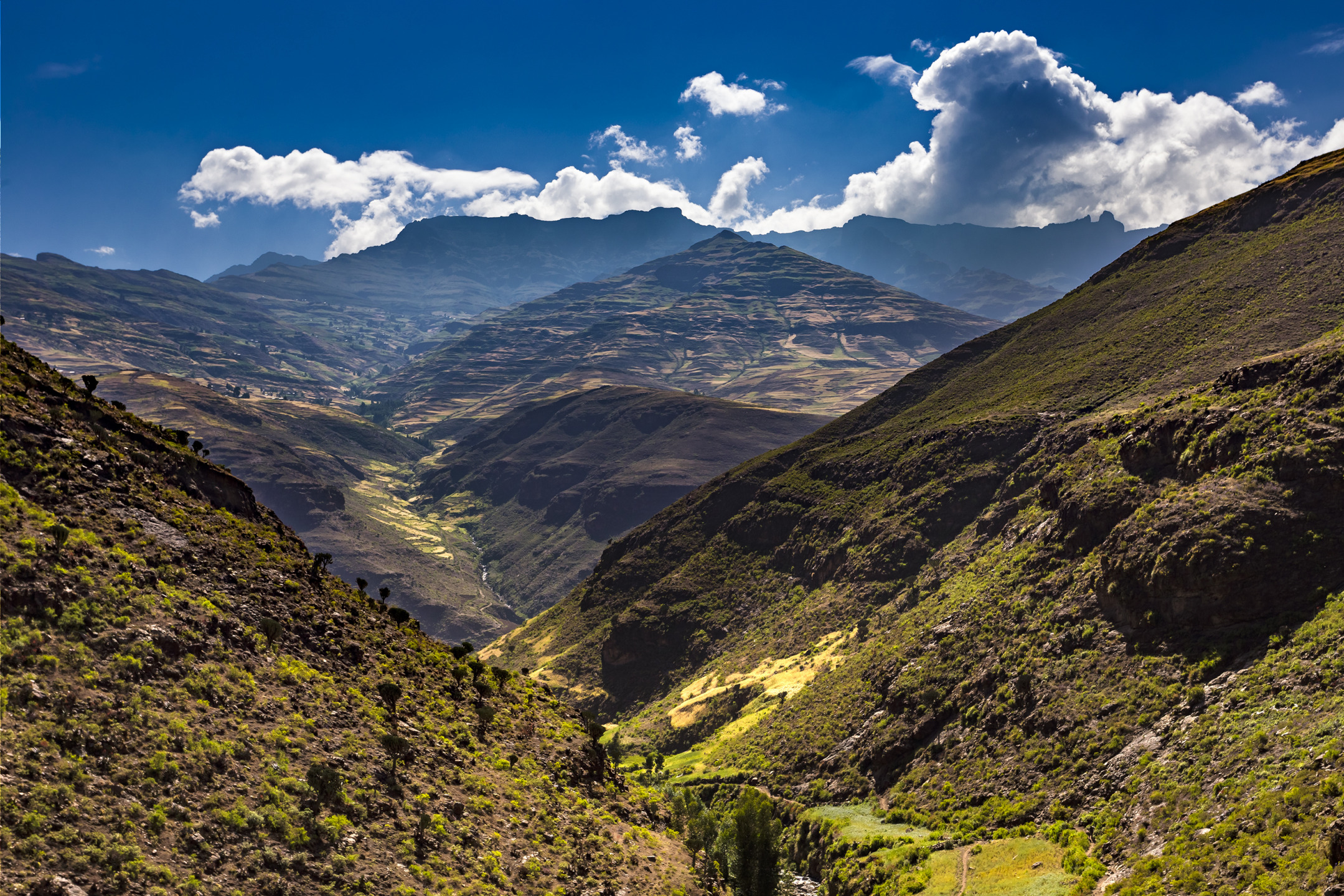
Alaba is one of the special woredas of the Southern Nations, Nationalities, and Peoples' Region, nestled in the highlands of central Éthiopie, 242 km from the capital. Alaba Kulito village is located here: one of the most cherished stops when crossing the Great Rift Valley. Beyond its lush vegetation, the presence of Lake Shalla to the northeast and the Bilate River to the west lend a picturesque setting to this town, inhabited since time immemorial by the Halaba people. The village is renowned for the ornamental painting that enhances its traditional wooden or mud-brick huts. Climb Mount Bubisa, wander through a vibrant market, admire the pink flamingos of Abijatta-Shalla National Park, enjoy a continental lunch... Stop for a day in Alaba Kulito village, a nature retreat just under 5 hours' drive from Addis Ababa.
History
Alaba was part of the Kembata Tembaro zone until 2002, when it became autonomous by gaining the status of woreda, or special district.
Alaba Kulito is both the administrative capital and the largest city in Alaba. During the twentieth century, it enjoyed undeniable cultural prominence, thanks to its Quranic institutions that brought together more than a thousand students.
Alaba Village Today
The small town of Alaba Kulito was built toward the end of the nineteenth century, more precisely in 1895. It is located southwest of Lake Shalla and traversed in its western part by the Bilate watercourse.
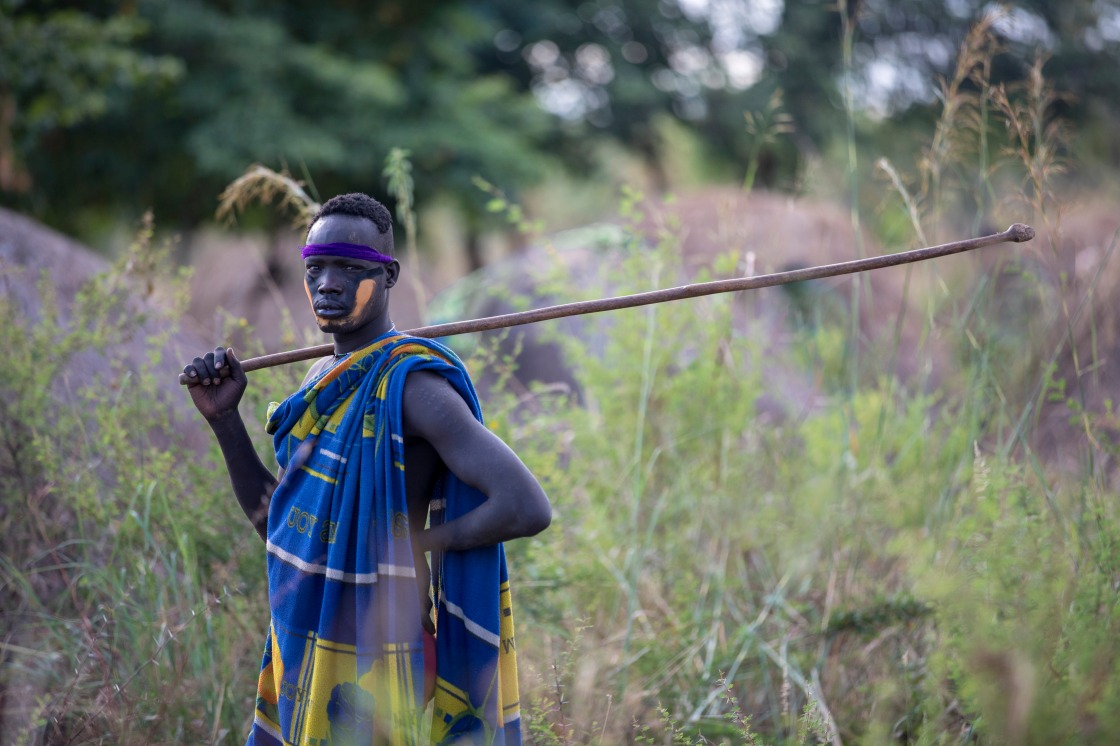
The village's population is currently estimated at 27,350 inhabitants. Cultural life here is fascinating, with ethnic groups speaking their own languages, governed by their own customs, yet united by the same passion for mural painting.
The local economy is based primarily on agriculture, cattle herding, and beekeeping. Red peppers are the region's flagship product. Dozens of tons are shipped weekly to Addis Ababa, Shashemene, and Dessie. In recent years, many ethnic groups have abandoned the nomadic pastoral lifestyle, exchanging the shepherd's crook for the spade. Plantations of corn, pepper, teff, and sorghum stretch as far as the eye can see, much to the delight of visitors. Yet, despite vigorous agricultural growth, the village suffers painfully from rural exodus and unemployment. Tourism, which energizes the Great Rift Valley, is therefore a lifeline for small farmers.
Decoration of Dwellings: An Established Tradition
Wherever the eye lands, one cannot help but be dazzled by the aesthetics of traditional dwellings. People live simply in wooden or mud-brick huts topped with thatched roofs. Nothing particularly striking at first glance. But upon closer inspection, you will notice that the walls of the houses are decorated with elegance. Among the Halaba people, mural painting is a sign of material success and prestige. Red, black, and white are the basic colors used. The artist depicts flowers, plants native to Éthiopie, or more sophisticated motifs such as a woman milking a cow. Featuring a unique style, the decoration inside and outside the huts is one of the most evocative traits of Alaba civilization.
Alaba's Community Market
To soak in Alaba's village atmosphere, you must visit the weekly market without fail. Every Thursday, an impressive crowd gathers to meet, learn the latest news, but above all to sell their wares: cereals, butter, flour, milk, honey, fish, and a variety of tropical fruits... Tourists will find all the delights of local produce here. Indeed, Alaba's market is among Éthiopie's largest open-air markets.
Mount Bubisa
Lovers of mountaineering, adrenaline, or vertiginous cliffs will certainly enjoy climbing Mount Bubisa, which ranks among Éthiopie's highest peaks.
Abijatta-Shalla National Park
Further to the northeast lies the magnificent Abijatta-Shalla National Park, spanning 887 km², with its fish-rich lakes and natural pools at the foot of waterfalls. Although wildlife has declined considerably due to illegal overgrazing by cattle herders, the park remains a paradise for hikers. The shores of both lakes are frequented by colonies of pelicans, silver egrets, pink flamingos, and many other birds. The spectacle of pink flamingos circling as they dip their beaks into the water contributes to the park's international renown.
Climate
Alaba village is characterized by a temperate climate. The influence of altitude guarantees cool and pleasant weather year-round; temperatures, relatively constant, range from 17.6 to 22.5°C. Heavy rainfall, however, can be a concern for travelers. The area receives an average of 601 to 1,200 mm of precipitation annually.
The best time to vacation in Alaba is during the dry season, which begins in October and ends in May. Visitors will encounter only brief and rarely intense rains.
There are two options for reaching Alaba: by plane or by land. To avoid long journeys, air travel is recommended for those wishing to visit the tribes of the Omo Valley. Flights depart from Addis Ababa airport and land at Arba Minch airport. Alternatively, travel by 4x4 or minibus from Addis Ababa is a second option.
Want to discover this destination?
Our local advisors design your tailor-made trip.