South and Rift Lakes
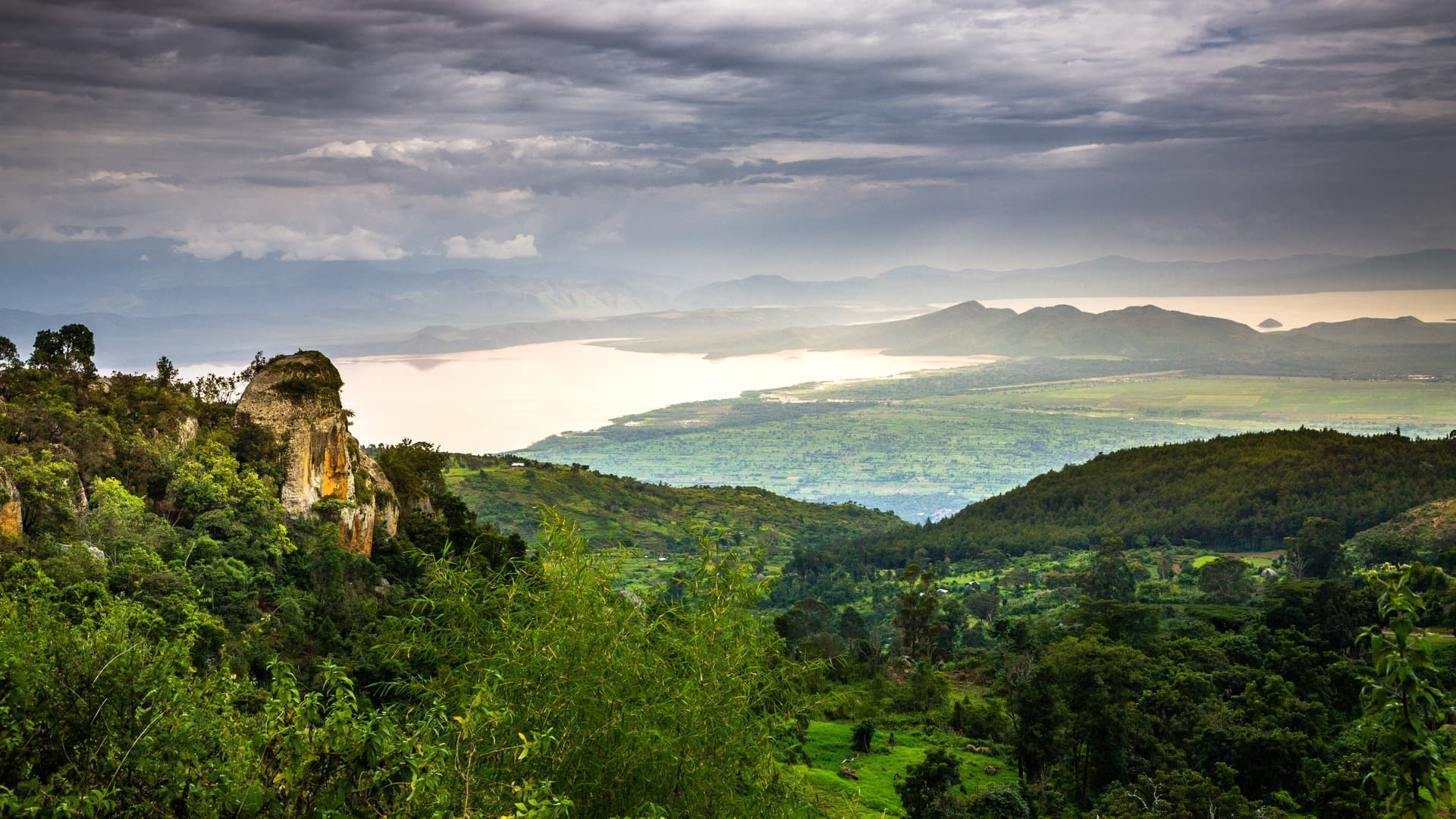
From Ziway to Arba Minch, a valley of lakes inhabited by flamingos and pelicans, extended by plateaus at 4,000 meters in the Bale where the Abyssinian wolf lives.
South of Addis Ababa, the paved road descends gradually toward the Great Rift Valley, the continental fracture that cuts through Ethiopia from northeast to southwest. Within a few hours of driving, we transition from highlands at 2,400 meters to the shores of Lake Ziway, at 1,640 meters, where Laki fishermen launch their tankwas, small papyrus boats, at dawn. The climate changes with altitude: the cool nights of Addis give way to dry, warm air, around 25 to 28 degrees Celsius during the day year-round.
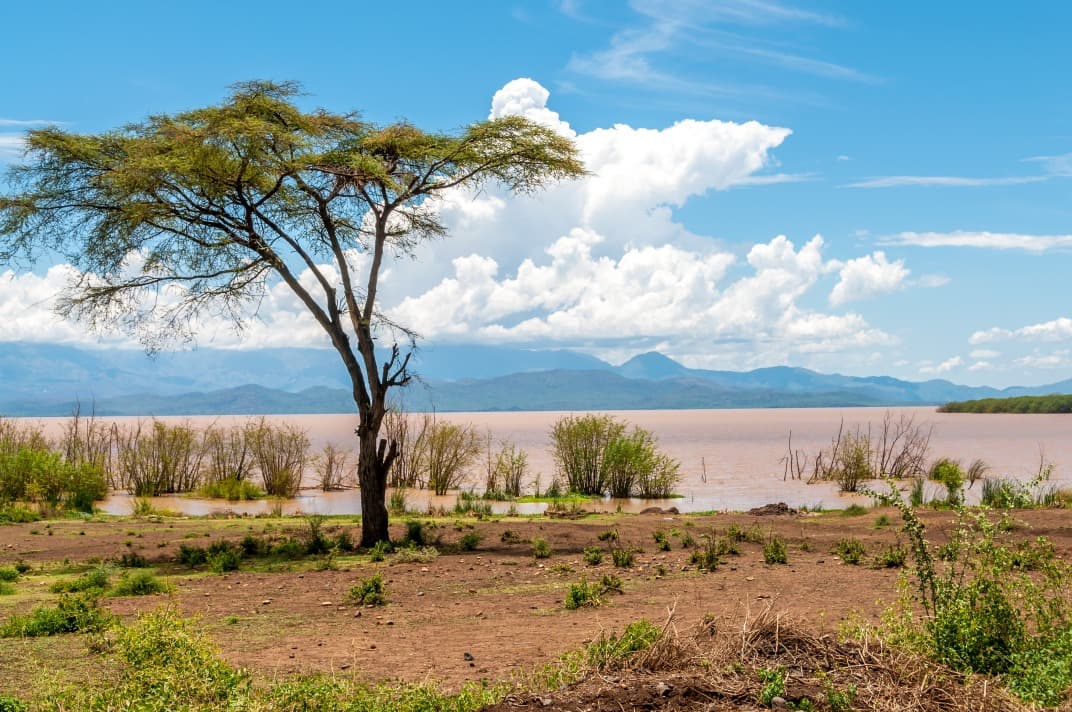
The valley unfolds a succession of lakes with distinctly different characters. Ziway is populated by white pelicans and marabou storks; its islands still shelter a few medieval monasteries where Ethiopian manuscripts are said to have been hidden in the 14th century. Langano, further south, is the only lake in the region where swimming is safe, its brown waters being free of bilharzia. Just beside it, Abijatta and Shala form a national park: the former, shallow and alkaline, attracts swarms of lesser flamingos filtering spirulina; the latter, a crater lake reaching 266 meters in depth, is bordered by sulfurous hot springs near the village of Adami Tulu. Further south still, Awasa, a bustling regional capital, revolves around its lively morning fish market where Nile tilapia and Nile perch are filleted right on the docks.
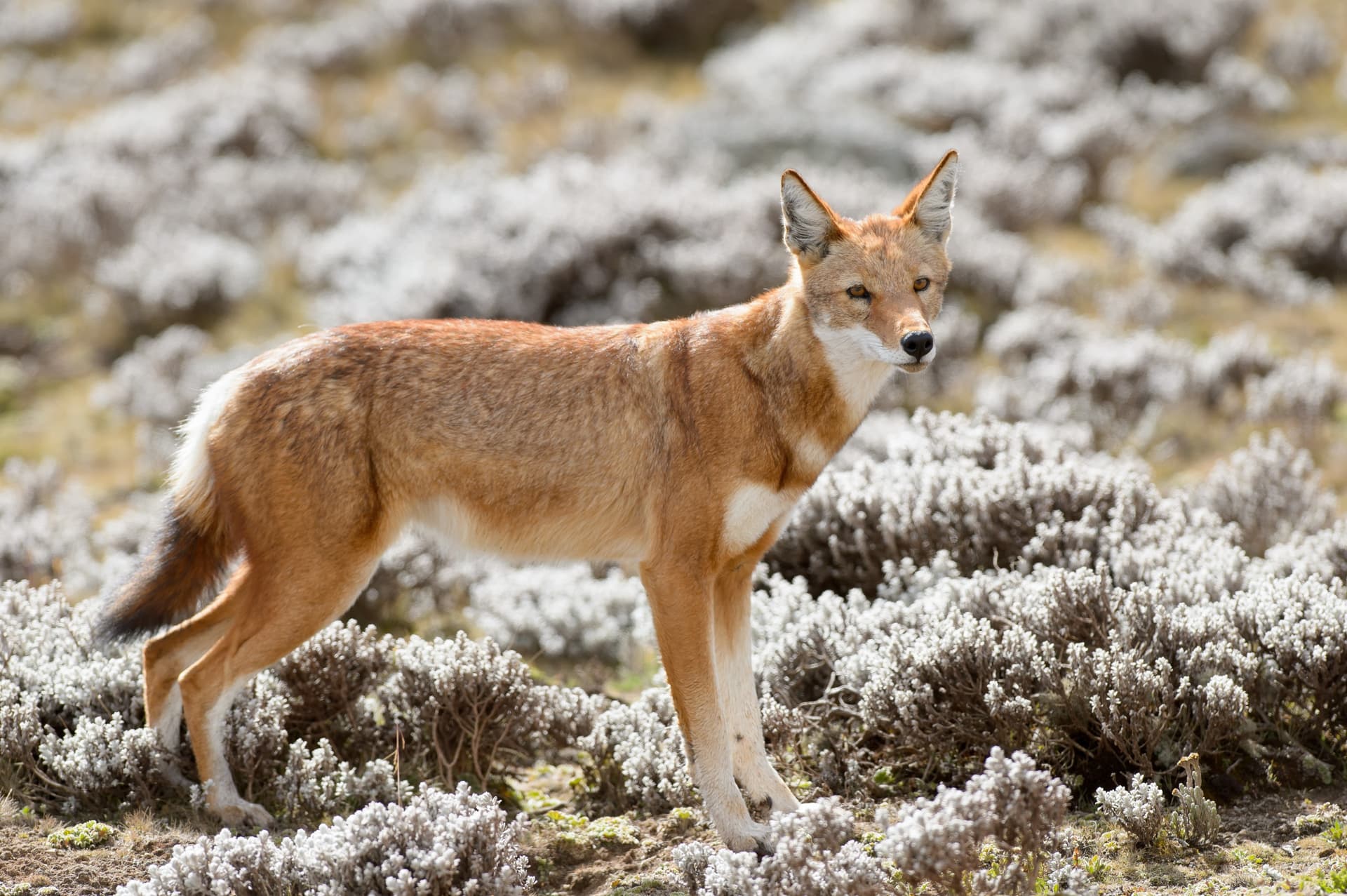
The region is more than a succession of water bodies. To the east, the Bale Mountains rise abruptly to 4,377 meters at Mount Tullu Dimtu. The Sanetti Plateau, above 4,000 meters, is one of the continent's largest afro-alpine expanses. This is where we take travelers to observe the Abyssinian wolf, the world's most endangered canid, with only about 500 individuals remaining, nearly half of them living here. The park also harbors the mountain nyala, an endemic antelope, and Harenna Forest on the southern slope, one of Ethiopia's last remaining forests of tree heathers and podocarpus. The Oromo Arsi people inhabiting these heights cultivate barley above 3,000 meters and raise horses they use to traverse the plateaus.
Lower down, around Yirgalem and Dilla, we enter Sidama and Gedeo country, lands of coffee. Here, on shaded slopes at 1,800 meters, grow the Yirgacheffe and Sidamo arabica coffees, among the world's most sought-after. Family farms still practice manual harvesting, sun-drying on raised beds, and we arrange visits to cooperatives in Wenago or Bule. Coffee is served during buna ceremonies in three services, accompanied by popcorn or kolo, roasted grains.
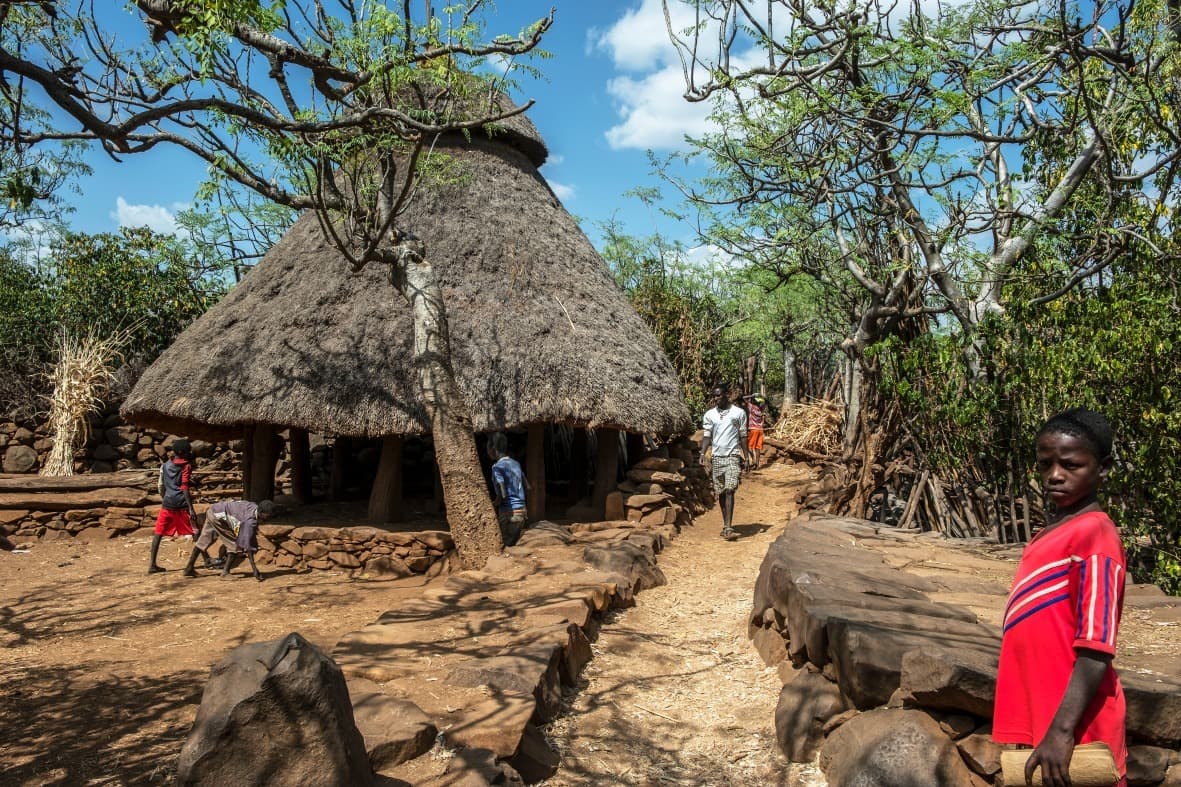
At the end of the road, 500 kilometers from Addis, Arba Minch ("forty springs" in Amharic) marks the transition to the deep south. Lakes Abaya, its waters reddened by iron-rich sediments, and Chamo, populated by some of Africa's largest crocodiles, are separated by a narrow strip of wooded land, the Bridge of God. Nechisar Park, on its eastern shore, harbors Burchell's zebras, Grant's gazelles and warthogs in golden grasslands descending toward the shoreline. Arba Minch also serves as a gateway to the Omo Valley and Konso villages, whose dry-stone agricultural terraces have been inscribed on the UNESCO World Heritage list since 2011.
Must-see experiences
Abyssinian wolf on the Sanetti Plateau. At 4,000 meters in Bale Park, we set out on foot early morning to observe this russet-colored, sharp-snouted canid hunting giant mole rats. The best chances present themselves between October and March, when skies remain clear.
Lake Chamo crocodiles by boat. A two-hour excursion from Arba Minch to Crocodile Market, a sandbank where specimens exceeding five meters gather. Hippopotamuses and pelicans round out the experience.
Coffee ceremony in Sidama country. At a coffee farmer's family home near Yirgacheffe, roasting green beans over embers, brewing in a clay jebena, tasting across three services accompanied by roasted kolo.
Konso villages and agricultural terraces. An hour from Arba Minch, the fortified villages of Mecheke or Gamole, UNESCO-inscribed, are organized around generation squares where commemorative trunks of deceased chiefs are planted.
Lesser flamingos of Lake Abijatta. Between November and February, tens of thousands of flamingos cover the alkaline shores of the lake. Approach on foot from the track running alongside the hot springs.
When to go
The dry season extends from October to March, the most favorable period for traveling through the region. Temperatures around the lakes range between 22 and 28 degrees Celsius during the day, drop to 10 or 12 degrees at night in Awasa, and can fall below freezing on the Sanetti Plateau in the Bale between December and February. Tracks are passable, skies clear, birding is at its maximum with the arrival of Palearctic migrants on the lakes.
The main rainy season, from late June to mid-September, complicates access to Bale Park: the track crossing Sanetti becomes slippery, Harenna Forest is shrouded in mist, and some tracks to Konso villages become impassable. Conversely, landscapes display intense green and temperatures remain mild. April and May experience shorter rains, typically in late afternoon, which don't prevent travel but require flexibility in itineraries.
Practical advice
We recommend a minimum of seven days to explore the lakes region through to Arba Minch while incorporating Bale Park, keeping in mind that road distances are considerable: 250 kilometers from Addis to Awasa, 275 additional kilometers to Arba Minch, and an east-west detour of two days to reach Goba and the Sanetti Plateau. Access is by road from Addis Ababa, in a 4x4 vehicle with driver, which remains the appropriate transport mode for Bale tracks and Konso villages. A domestic return flight Arba Minch-Addis saves a day.
The most natural combination is with the Omo Valley, accessible from Arba Minch in two days of driving south, for a total circuit of twelve to fifteen days. Travelers who have already done the historic north appreciate this south as a counterpoint: fewer churches and monuments, more nature, ornithology and encounters with Oromo, Sidama and Konso agricultural peoples. Lodge comfort varies: good standards at Langano (Bishangari, Hara Langano) and Arba Minch (Paradise Lodge), more rustic in the Bale where we often lodge at Bale Mountain Lodge on the edge of Harenna Forest. This region suits contemplative travelers, wildlife and birdwatching enthusiasts (over 450 species recorded in the Bale), and hikers prepared to trek at altitude.