Amhara
Located in northwestern Éthiopie, Amhara is one of the country's federal regions. Known for its cultural, historical, and natural wealth, it plays an essential role in Ethiopian identity and history.
Located in northwestern Éthiopie, Amhara is one of the country's federal regions. Known for its cultural, historical, and natural wealth, it plays an essential role in Ethiopian identity and history. Whether through its historical monuments, vibrant festivals, or natural wonders, this region is a gem waiting to be discovered.
Geographic Features
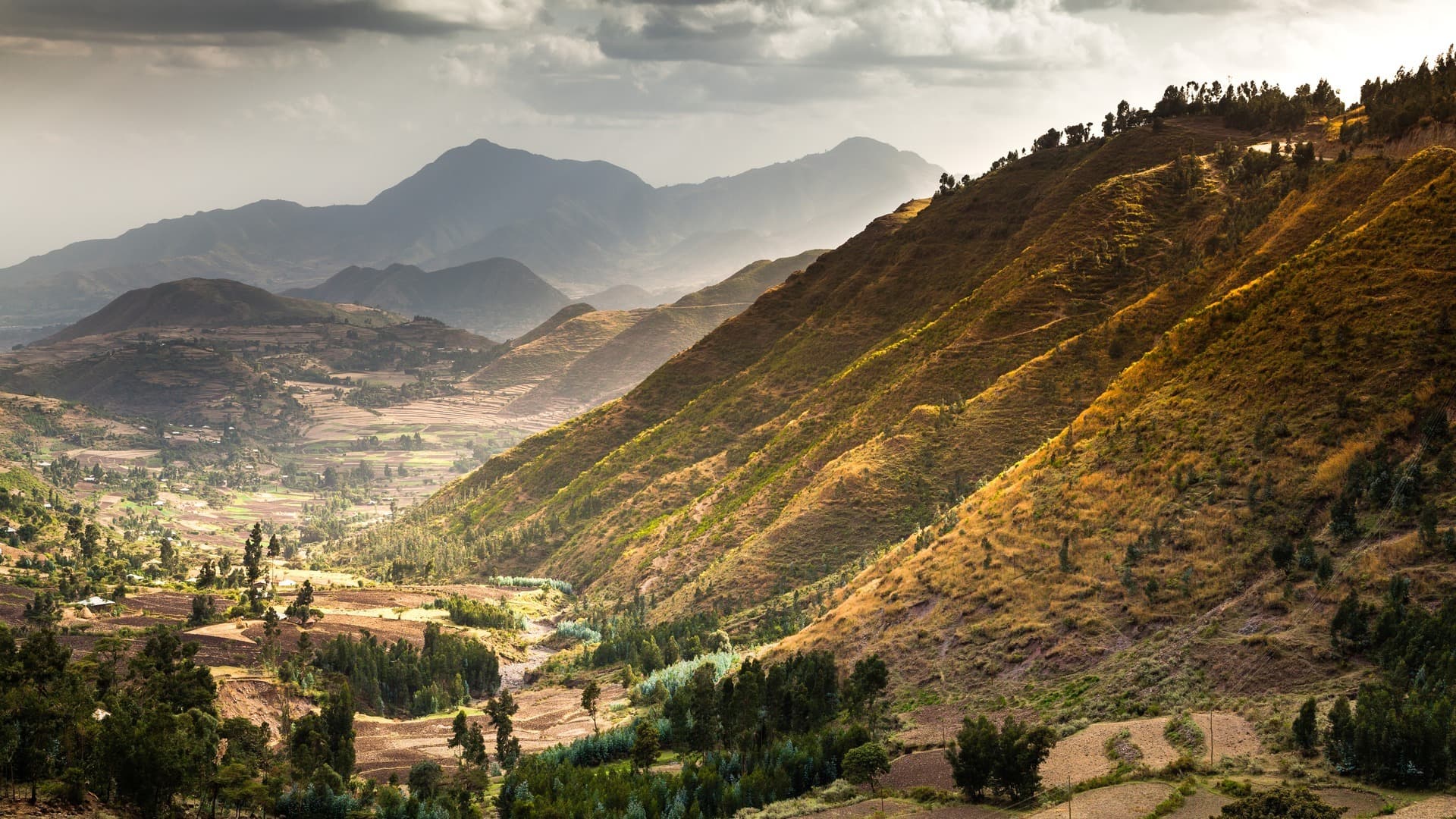
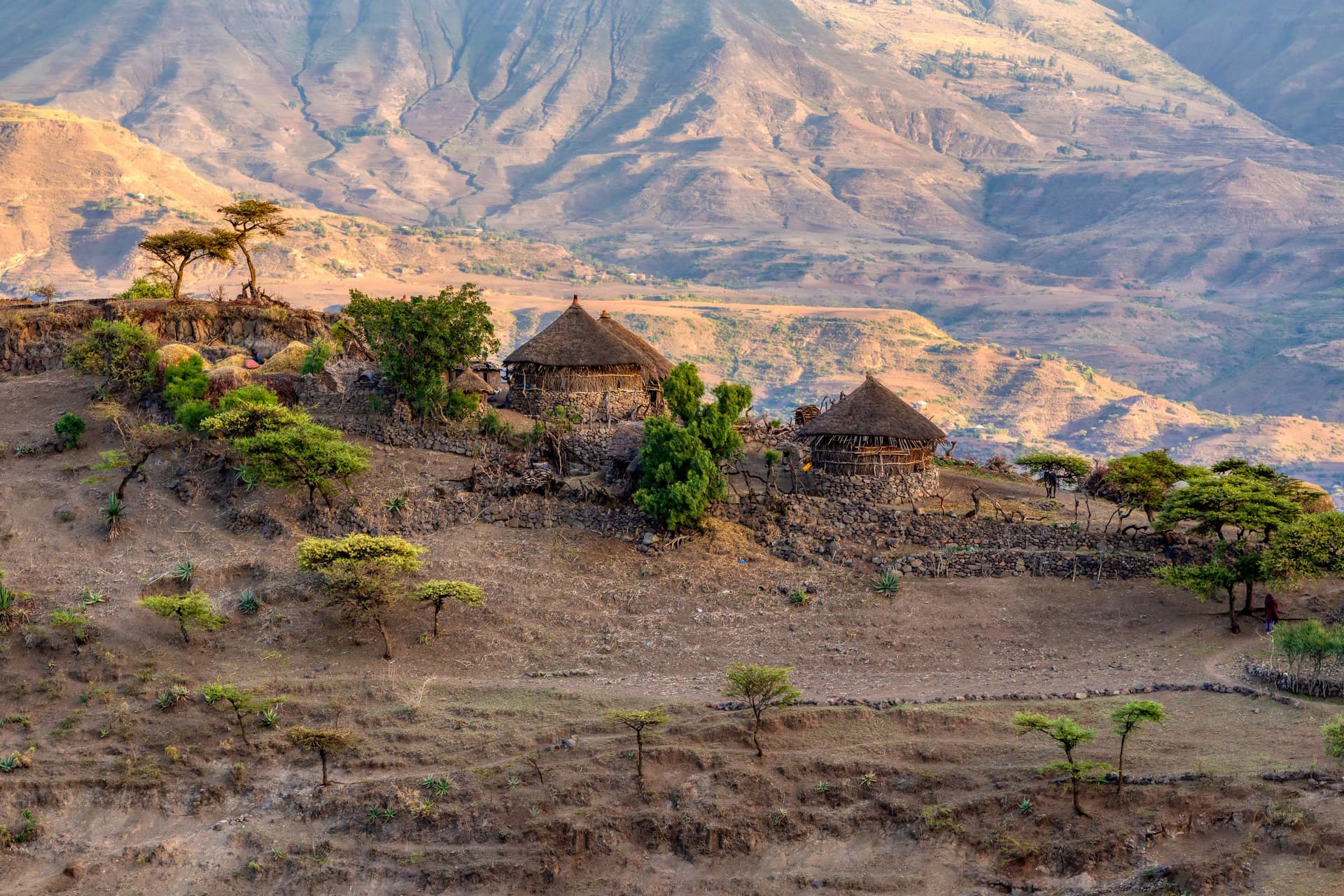
Amhara covers an area of approximately 154,709 km², making it one of the country's largest regions. It encompasses the former provinces of Godjam and Bégemeder, while also integrating part of Wello. Its capital, Bahir Dar, sits on the shores of the famous Lake Tana, the source of the Blue Nile. This region is dominated by high plateaus and steep mountains, notably the Simien massif, which houses Ras Dashen, Éthiopie's highest point at 4,550 meters above sea level. This spectacular landscape is dotted with verdant valleys and deep gorges.
History
Amhara is often considered the cradle of the Ethiopian state. For centuries, the region played a central role in Ethiopian monarchy. The Amharas, the dominant ethnic group, contributed to the development of national identity through their language, Orthodox faith, and political system.
Historically, Amhara was part of the ancient province of Woolo (Bete Amhara). In its feudal organization, this region comprised several semi-autonomous provinces, including Fetegar, Angot, Semien, Shewa, Lasta, Wollo, and Gondar. For more than two millennia, the traditional homeland of the Amharas has been located in the highlands of central Éthiopie. The first mention of the Amhara region dates back to the 12th century, during the Zagwe dynasty, when the Amharas were reported in conflict with the Werjih in 1129.
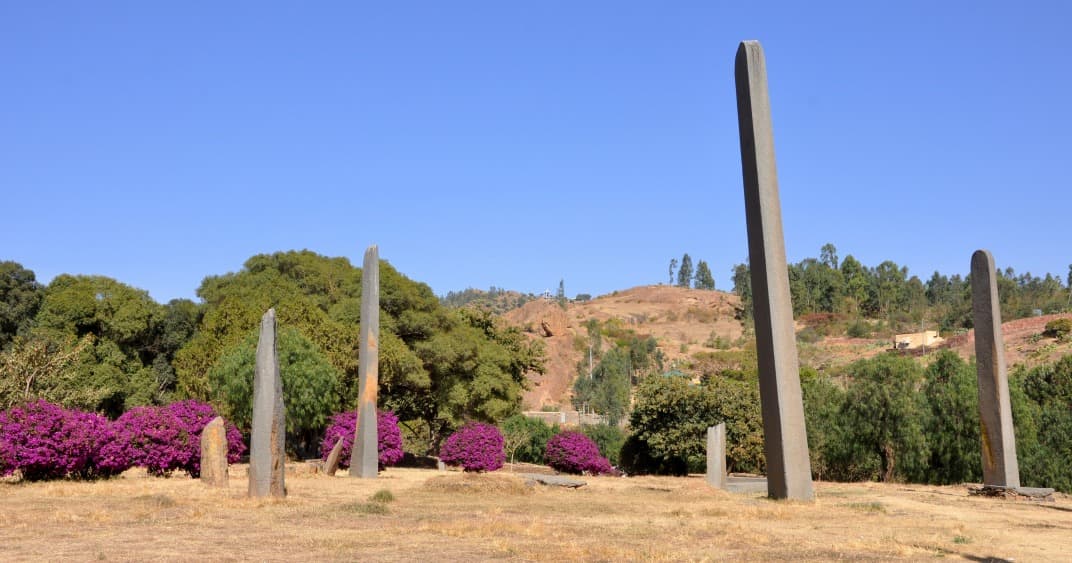
Furthermore, although the city of Axoum is currently located in the neighboring Tigré region, it remains an integral part of Amhara's historical heritage. It was there that Orthodox Christianity took root in the 4th century, marking a turning point in Éthiopie's history. Many Amhara kings and emperors continued to assert their power by drawing on this rich religious legacy.
Climate
Amhara's climate varies according to altitude. The elevated zones enjoy a temperate climate (locally described as "dega"). In contrast, the low plains are hotter and drier. This climatic diversity strongly influences agriculture, the region's primary economic activity.
Population and Language
The majority of Amhara's inhabitants belong to the Amharic ethnic group. However, certain areas are home to minorities, including the Agew, Oromos, and Himra.
Amharic, Éthiopie's official language, is widely spoken throughout the region. Written in the Geez script, it is not only a language of communication but also a cornerstone of the country's cultural identity. Nevertheless, other languages, including Arabic, English, Oromo, and Tigrinya, are also used.
Culture and Traditions
Amhara culture is often equated with Abyssinian culture. It is recognized as the result of a rich heritage blending ancient Semitic traditions and Cushitic African influences.
Religious Festivals
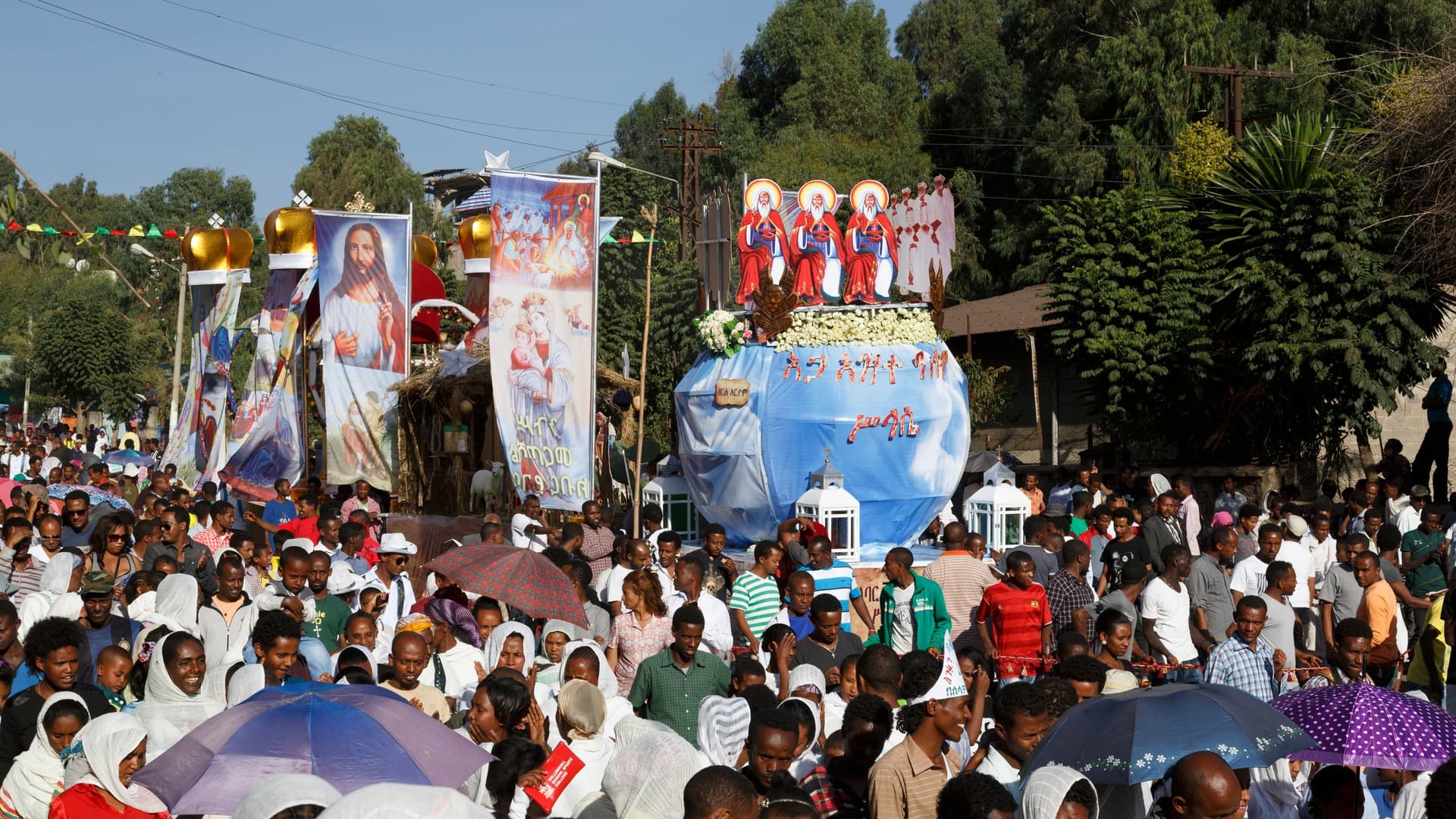
Orthodox Christianity plays an important role in the lives of the inhabitants. Religious festivals, such as Timkat or Timqet (Ethiopian Epiphany) and Meskel (Festival of the Cross), are spectacular events marked by processions, chanting, and dancing. Monolithic churches, such as those in Lalibela, attract pilgrims and tourists for their unique architecture and spiritual significance.
Cuisine
Amhara cuisine reflects local agriculture and Ethiopian culinary traditions. Doro wat (spiced chicken stew) and injera (fermented flatbread made from teff) are emblematic dishes. Meals are often accompanied by a coffee ceremony, an essential social ritual where coffee is roasted, ground, and brewed in front of guests.
Music and Dance
Traditional Amhara music is characterized by melancholic melodies played on instruments such as the krar (lyre) and masenqo (single-string violin). Eskista dance, with its dynamic shoulder movements, is also emblematic of the region.
Marriages
The Amharas practice three types of marriage:
- Kal kidan: A common civil marriage, but one that may be followed by divorce
- Qurban: A sacred marriage celebrated in an Orthodox church and indissoluble except in exceptional circumstances
- Damoz: a temporary arrangement in which the woman is compensated for a short-term union. Although this practice was banned in the mid-20th century, it persists in some localities.
Economy
Amhara's economy is primarily based on agriculture. Farmers cultivate cereals such as:
- Teff
- Sorghum
- Barley
- Maize
- Wheat
Vegetable and legume plantations are also found throughout the region. Moreover, livestock farming is also significant, particularly in rural areas.
Furthermore, Lake Tana, Éthiopie's largest body of water, is an essential resource for fishing, irrigation, and hydroelectric power. It is also a tourism asset, thanks to its islands that house historic monasteries.
By Air
Air travel is the fastest and most practical way to reach Amhara from Éthiopie's capital. Several domestic flights connect Addis-Ababa to major cities in the region, such as Bahir Dar, Gondar, or Lalibela.
By Public Bus
Interregional buses connect Addis-Ababa to Amhara's main cities. Among the frequent routes are:
- Addis-Ababa to Bahir Dar (approximately 8 to 10 hours by road)
- Addis-Ababa to Gondar (approximately 12 to 14 hours)
- Gondar to Lalibela (approximately 8 hours)
Although winding, the roads offer magnificent views of mountains and valleys.
By Private Car or with a Driver
For greater comfort and flexibility, it is possible to rent a car with a driver. This mode of transportation is particularly recommended for visiting remote sites or exploring multiple destinations in the region. Rental services are available in Addis-Ababa or in Amhara's major cities.
Via a Travel Agency
Many travel agencies offer organized tours covering Amhara's main tourist sites. These packages typically include overland or air transportation, accommodation, and guided visits. This option is ideal for those who prefer hassle-free travel with professional support.
Amhara Region Today
The Amhara region faces economic challenges today, particularly due to recurring droughts and demographic pressure on agricultural land. Climate change represents a growing threat to agriculture and water resources. Soil erosion in mountainous areas also poses a serious problem, requiring sustainable solutions to protect agricultural land and ecosystems.
Moreover, in recent years, Amhara has been the site of conflicts related to ethnic and territorial disputes. Tensions between communities have highlighted the complexities of ethnic federalism in the country. These conflicts have caused massive population displacements and prolonged instability.
The Ethiopian government and local actors are working on solutions to mitigate ethnic tensions and strengthen economic resilience in the face of environmental challenges. Land rehabilitation, infrastructure improvements, and investment in education are essential for Amhara to realize its potential.
Attractions
Despite these challenges, Amhara remains a sought-after destination for cultural and ecological tourism. Among the must-see sites are:
- The Lalibela complex: Its churches carved into rock, dating from the 12th century, are considered an architectural marvel.
- Simien Mountains National Park: This park is home to unique wildlife, including the gelada baboon and the Ethiopian ibex.
- Bahir Dar and Lake Tana: Cruises on the lake and monastery visits offer a glimpse of the region's rich religious past.
Gondar: A former imperial capital, its imperial palaces and churches, adorned with frescoes and inscribed on the UNESCO World Heritage list, attract history and art enthusiasts.