Tsemay Country (Omo Valley)
In the Omo Valley, the Tsemay people perpetuate an agro-pastoral lifestyle between round-hut villages and multi-ethnic markets. An authentic territory, accessible from Jinka by 4x4 with a local guide.
In southern Éthiopie, within the Omo Valley, Tsemay territory stretches across semi-arid plains near Weyto. This agro-pastoral people, neighbours to the Hamar and Banna, are known for their scarification practices, ochre hairstyles and weekly markets where livestock, sorghum and handicrafts are exchanged. Visiting this territory means entering a way of life shaped by herding and seasonal cycles, far from standardised tourist circuits.
What you'll see
Tsemay villages consist of round thatched-roof huts, surrounded by livestock enclosures. Women wear tanned leather skirts and colourful beaded necklaces; men often sport hairstyles sculpted from ochre clay, a tradition shared with several Omo peoples. Local markets — notably the one at Weyto — bring together different ethnic groups from the region and offer the best vantage point for observing daily life.
History and context
The Tsemay are part of the vast tapestry of Omo Valley peoples, designated a UNESCO World Heritage site for its human and natural diversity. Farmers cultivating sorghum and maize during the rainy season, herders of goats and cattle in the dry season, they have developed a trading economy with neighbouring groups — Hamar, Banna, Karo — which still manifests today in the region's multi-ethnic markets.
Highlights of a visit
Weyto market
The weekly Weyto market is the commercial and social meeting point for Tsemay and their neighbours. Here you'll find livestock, grains, spices and handcrafted objects. It's one of the rare spaces where several Omo ethnicities mingle freely.
Villages and pastoral life
A visit to a Tsemay village allows you to observe vernacular architecture, leather tanning techniques and rituals tied to herding. Local guides, essential here, serve as cultural intermediaries and facilitate respectful exchanges with residents.
The Omo plains landscape
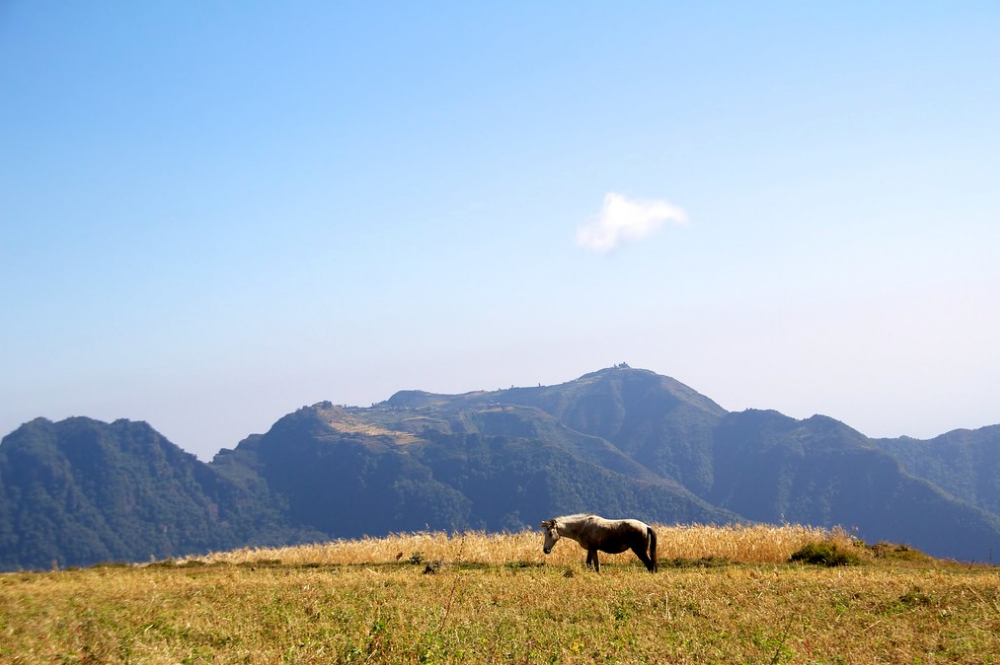
Tsemay territory sits within a landscape of scrubby savanna and alluvial plains. In the dry season, herds of zebu cattle and goats animate ochre expanses crossed by laterite tracks.
Etiquette and visiting rules
- Photography permission: always ask explicit consent before photographing a person; a tip is generally expected in return.
- Local guide mandatory: village access is arranged almost exclusively through a local guide or fixer; they ensure respect for customs.
- Dress code: no strict dress code, but modest clothing covering the shoulders is recommended out of respect.
- Negotiation and purchases: when buying handicrafts, negotiate courteously; displayed prices are often a starting point.
Photography tips
Golden morning and late-afternoon light enhances the ochre tones of hairstyles and huts. Market days offer a diversity of portraits and exchange scenes. Avoid intrusive flash and favour a standard focal length lens to respect your subjects' personal space. Some residents refuse to be photographed outright: honour this choice without insisting.
Location and access
Tsemay territory lies in the Segen zone, in the SNNPR region, around the town of Weyto. Access is generally made from Jinka, the main tourism hub in southern Omo, by a 4×4-passable track. The road can be difficult during the rainy season (June to September). No regular public transport serves the villages; a four-wheel-drive vehicle with driver-guide is essential. Wheelchair accessibility is very limited due to unimproved tracks.
Nearby attractions
- Hamar Country — neighbouring people famous for the bull-jumping ceremony, accessible from Turmi.
- Jinka — stopover town with a regional museum dedicated to Omo peoples.
- Mago National Park — nearby wildlife reserve, home to the Mursi and major African fauna.
- Karo Country — small riverside Omo people renowned for their elaborate body paintings.
Frequently asked questions
The dry season, from October to January, offers passable tracks and pleasant climatic conditions. Avoid the rainy season (June-September) when laterite roads become impassable even for 4x4s.
Yes, a local guide or fixer is essential. They facilitate exchanges, explain customs and ensure the visit proceeds with respect for residents. Local agencies based in Jinka can arrange one.
No. You must ask permission from each person before photographing them. A tip is generally expected. Some residents refuse: this choice must be respected without question.
Most circuits in the Omo Valley include multiple peoples in loops from Jinka or Arba Minch: Tsemay, Hamar, Karo and Mursi can be visited in four to six days with a 4x4 vehicle and a guide.
A 4×4 with an experienced driver is essential. Laterite tracks are unpaved and can be cut off during the rainy season. No public transport serves the villages.
Interested in this visit?
We can include it in your personalised itinerary.