Ras Dashen
Ras Dashen
At 4,550 metres altitude in the Simien massif, Ras Dashen is the roof of Éthiopie and Africa's fourth-highest peak. A demanding trek through dramatic cliff landscapes and rare endemic wildlife, designated a UNESCO World Heritage Site.
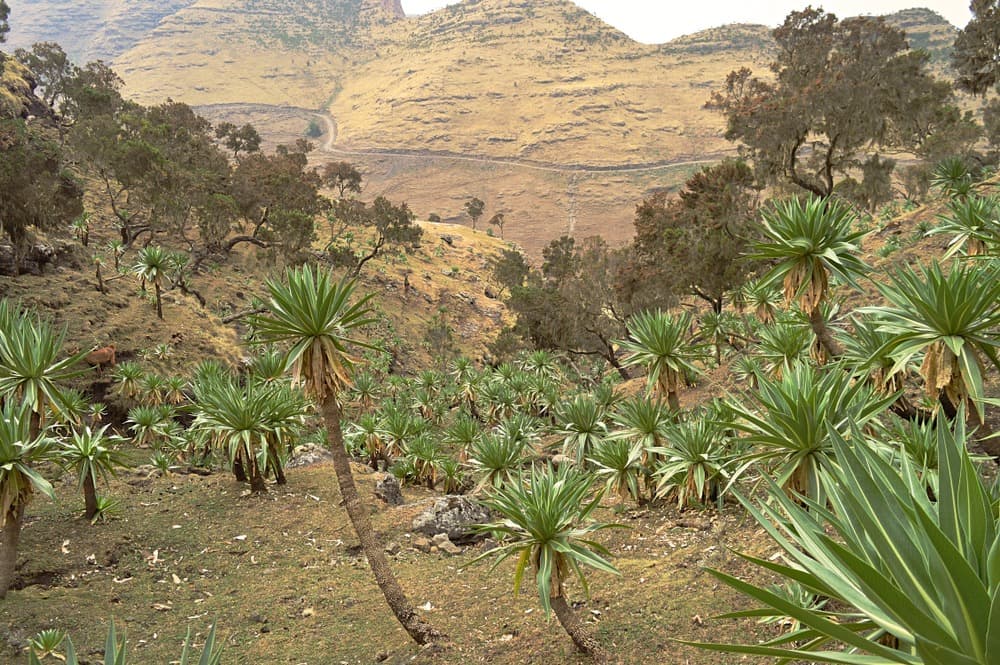
Ras Dashen — or Ras Dejen — rises to 4,550 metres altitude in the Simien massif, northern Éthiopie. It is the country's highest point and Africa's fourth-highest peak. Framed by sheer escarpments and high-altitude plateaus, it is visited as part of the Simien Mountains National Park, inscribed on the UNESCO World Heritage list. The ascent attracts experienced trekkers and enthusiasts of rare endemic wildlife.
Practical Information at a Glance
- Access: departing from Debark, a town reachable from Gondar by road (approximately 100 km).
- Entry: entrance fee to Simien Mountains National Park is required; an English-speaking guide and armed scout are mandatory.
- Recommended duration: 4 to 7 days for the return trip to the summit from Debark, depending on pace and itinerary.
- Level: demanding trek requiring good physical fitness; altitude should be taken seriously.
- Best season: October to March (dry season); avoid the rainy season (June-August).
- Equipment: warm clothing is essential — nights at altitude drop below freezing.
What You'll See
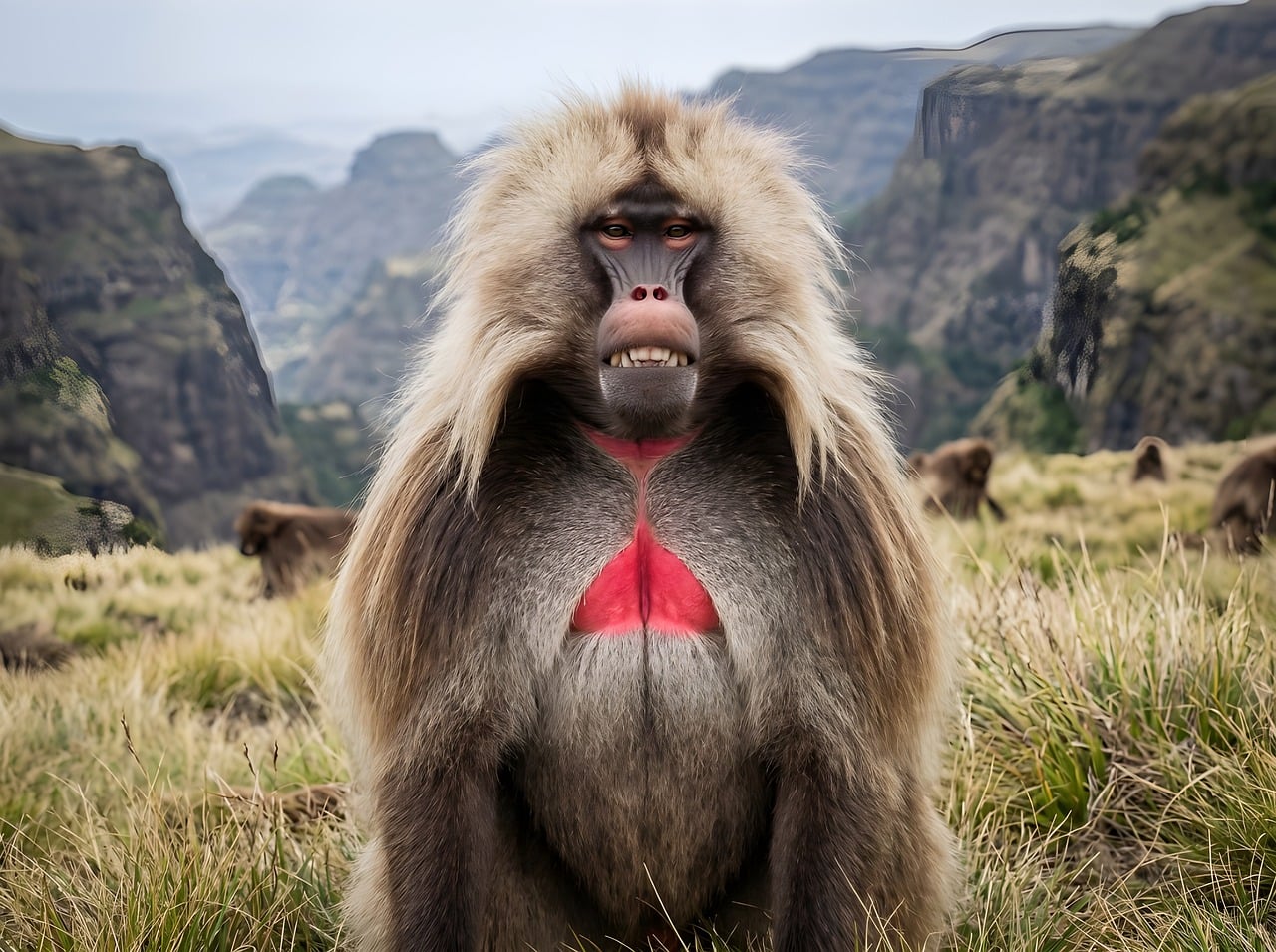
The Simien landscape ranks among East Africa's most spectacular: sheer cliffs dropping thousands of metres, deep valleys, windswept grassy plateaus. On the slopes of Ras Dashen live the gelada — an endemic primate with a distinctive red chest — and the Ethiopian wolf, one of the world's most endangered canids. The Walia ibex, also endemic, frequents the rocky zones.
History and Context
The name "Ras Dashen" (sometimes spelled Ras Dejen) refers both to the summit and to a historical Ethiopian figure. The Simien massif long served as a natural refuge and geographical fortress. The national park, established in 1969, has been on UNESCO's World Heritage list since 1978 — among the first African sites to be inscribed. It was also placed on the List of World Heritage in Danger before being delisted following conservation efforts.
Highlights of the Visit
The Summit at 4,550 m
The final ascent to Ras Dashen demands an intense day's march from the usual base camp. The panorama from the summit embraces the entire Simien massif and, on clear days, vast expanses towards Tigray and Sudan.
Gelada Herds
Geladas gather in groups that can exceed several hundred individuals on high-altitude grasslands. They graze grass in the manner of cattle — behaviour unique among primates — and often approach campers without fear.
The Simien Escarpments
Before reaching the summit, the trail hugs sheer cliffs for kilometres. Views overlooking the gorges and villages below are themselves reason enough to undertake the trek.
Endemic Wildlife
Beyond the gelada and Ethiopian wolf, the park is home to Verreaux's eagle and numerous bird species found only on the high Ethiopian plateaus. Sighting opportunities are excellent throughout the trek.
Photography Tips
Morning light is ideal on the escarpments: the cliffs take on a golden hue at dawn. Geladas photograph easily in late morning when grazing in full sun. Bring a UV filter or lens protection — dust and wind are frequent at altitude. No known photography restrictions exist in the park, but always ask permission from villagers in settled areas you pass through.
Location and Access
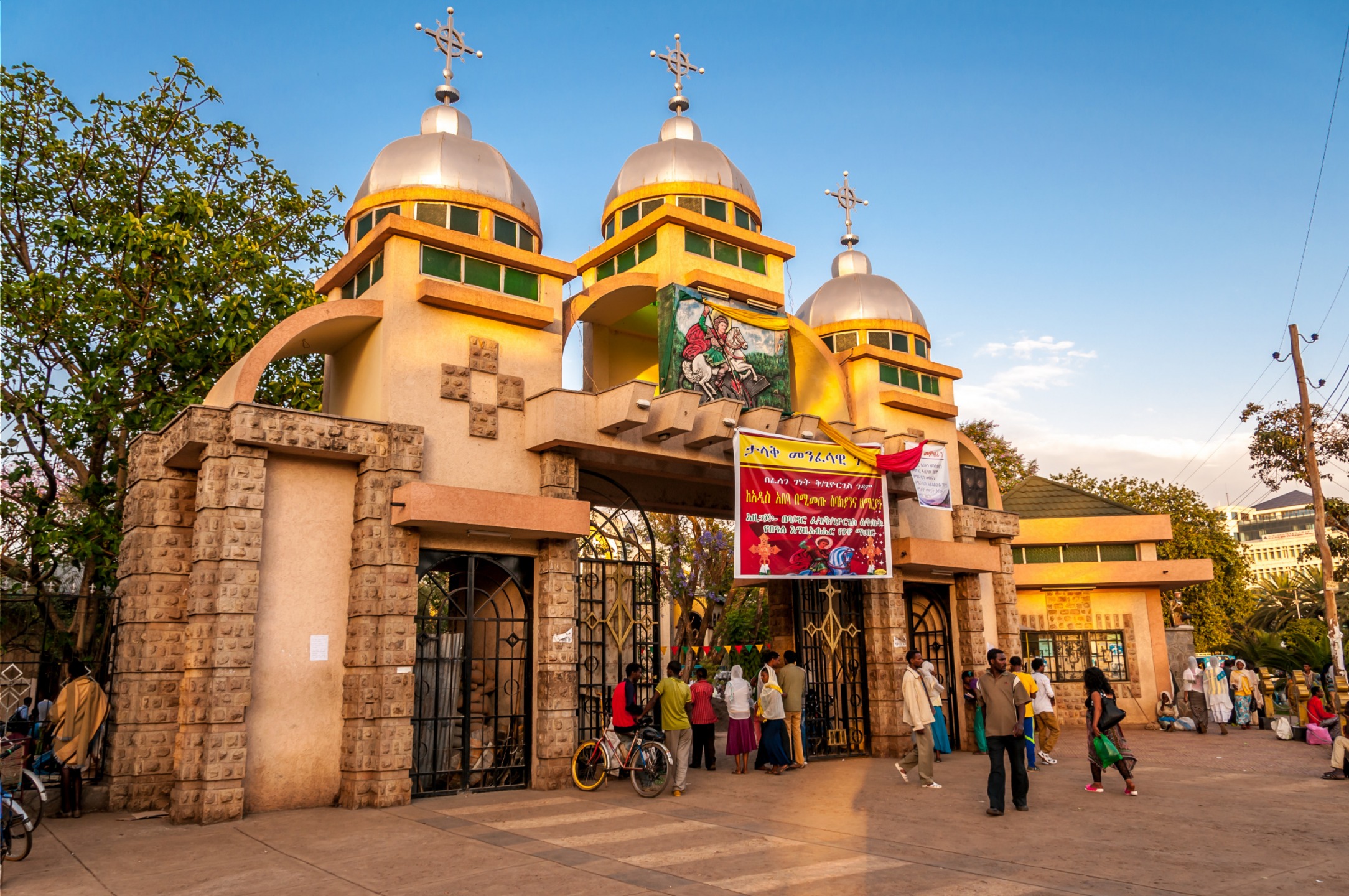
Ras Dashen is located within the Simien Mountains National Park zone, in the Amhara Region. The town of Debark is the administrative entry point to the park and where permits are obtained and English-speaking guides and scouts are hired. Gondar, approximately 100 km to the south, is the main reference city with an international airport. Four-wheel-drive vehicles can reach the first camps within the park from Debark, reducing total trekking time.
Nearby Attractions
- Royal Castles of Gondar — the Fasil Ghebbi royal enclosure, a UNESCO World Heritage site, approximately 100 km to the south.
- Simien Mountains National Park — the setting for the trek itself, with its dramatic cliff landscapes and endemic wildlife.
- Lake Tana and its Monasteries — source of the Blue Nile, island monasteries adorned with frescoes, accessible from Bahir Dar.
Frequently asked questions
The dry season, October to March, offers the best conditions: passable trails, clear skies, limited risk of slips. The rainy season (June-August) makes paths muddy and views often obscured.
Yes. Park regulations require an approved English-speaking guide and armed scout for any trekking. Permits and guide recruitment are arranged at Debark, at the park office.
Allow a minimum of 4 days for a quick return trip, and up to 7 days for a full trek allowing gradual acclimatization and detours to the finest viewpoints.
Yes. At 4,550 m, acute mountain sickness can affect even fit trekkers. Gradual ascent, good hydration, and listening to your body are essential. Consult a doctor before departure if you have any history of heart or respiratory issues.
Absolutely. Most travellers pass through Gondar before or after the trek. The royal castles and churches of the city warrant a full day of sightseeing.
A warm sleeping bag (nights drop below freezing), layered clothing, waterproof jacket, sturdy hiking boots, walking poles, and high-SPF sunscreen. Camping gear can often be rented in Debark.
Interested in this visit?
We can include it in your personalised itinerary.