Dessie
Dessie
A cultural crossroads in northern Ethiopia, Dessie blends Wollo markets, imperial heritage and mountain landscapes, 400 km north of Addis Ababa.
Dessie, Däse, Dessé or Dese—a city nestled in the heart of Ethiopia—is a fascinating destination that combines rich history, vibrant culture and spectacular landscapes. Located in the Amhara region, it serves as a cultural and economic crossroads in the north-east of the country. Whether for its historical heritage, natural attractions or lively atmosphere, Dessie deserves to be discovered.
History
Dessie was founded in 1882 by Emperor Yohannes IV. According to legend, this sovereign saw a comet in the region, which he interpreted as a divine sign. He thus chose this site, naming it "My Joy" in Amharic, to centralize his power in Wollo. Although Yohannes established the city, it quickly passed under the jurisdiction of Menelik II, who entrusted its governorship to Ras Mikael, his son-in-law. The latter built important monuments there, such as the Church of Enda Medhane Alem, adorned with paintings of his family.
Under Italian occupation in the 1930s, Dessie was transformed into an administrative center. It was also marked by various events such as the 1935 bombings and Italian capitulation in 1941. It should be noted that during Italian rule, the city had transformed into a strategic administrative hub. It continued to play an important role after World War II, remaining the capital of Wollo Province until Ethiopia's administrative reform in 1995.
Moreover, in recent decades, Dessie has been involved in recent conflicts. One can mention, for example, the temporary seizure of the city by the TPLF (or Tigray People's Liberation Front) forces on September 30, 2021, followed by its recapture by the Ethiopian government in December of the same year. Its strategic position and historical heritage testify to Dessie's importance in the country's political and military history.
Climate and Geographic Features
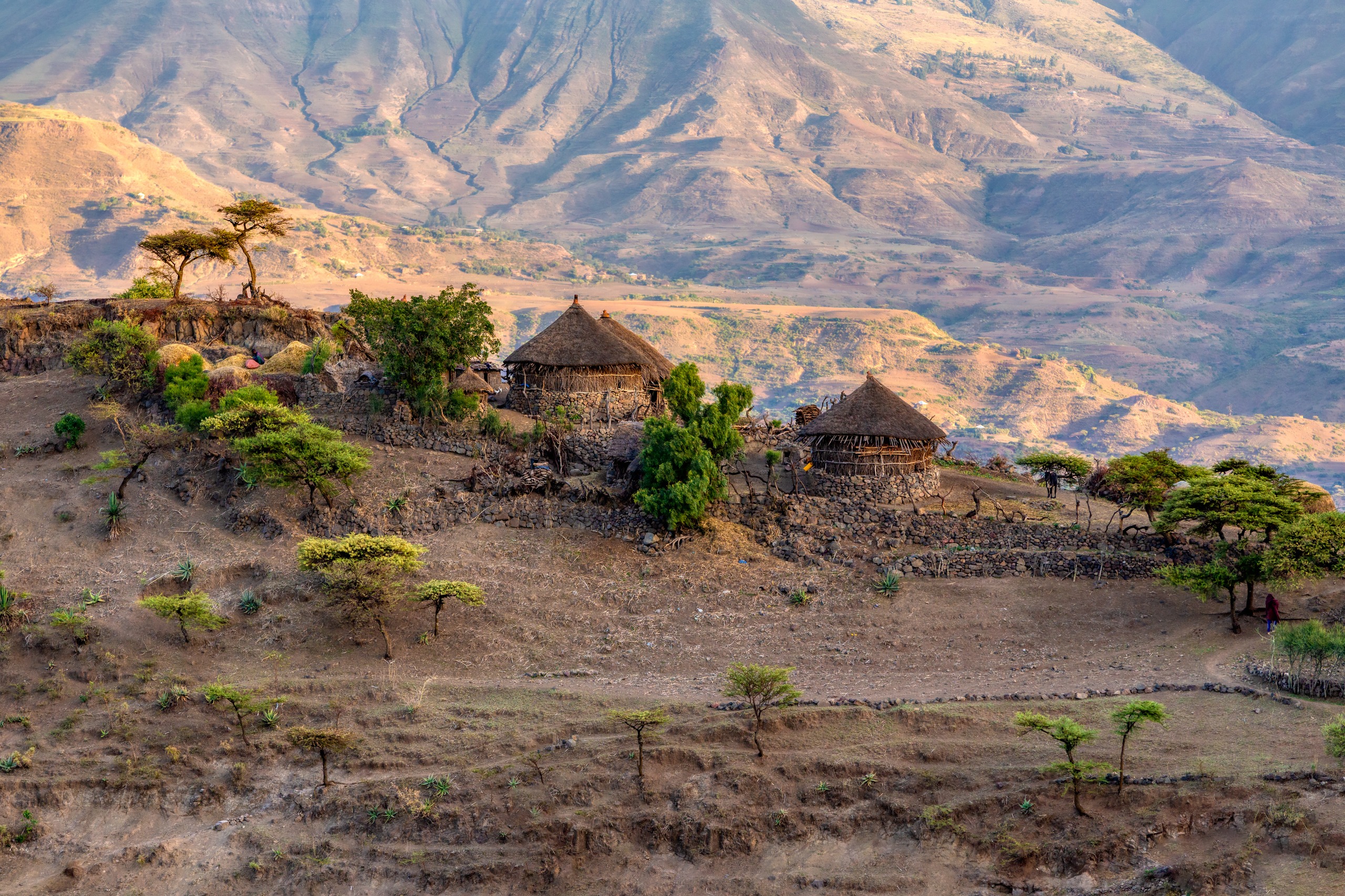
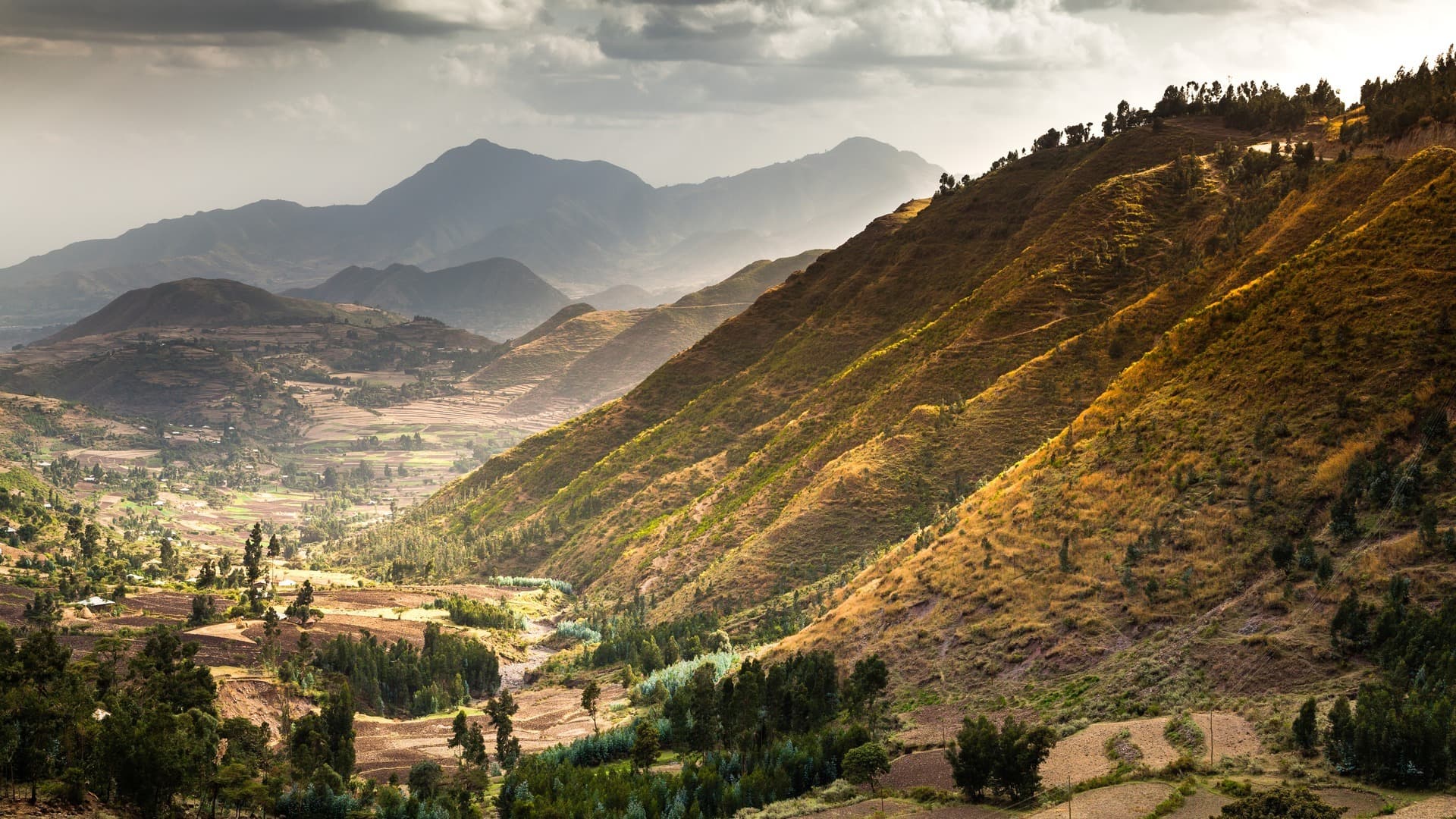
Dessie is located in a mountainous region at an altitude between 2,470 and 2,550 meters. This gives it a subtropical highland climate year-round. Average temperatures range from 15 to 20°C, with a rainy season from June to September. Furthermore, the city is surrounded by impressive landscapes, including deep valleys, steep mountains and lakes.
Population and Culture
Dessie is a cosmopolitan city where different ethnicities and religions coexist. The population is primarily composed of Amharas, but also includes Oromos and Tigrayans. The most spoken languages are Amharic and Oromo, although other dialects are also present.
The city is a religious melting pot where Muslims and Ethiopian Orthodox Christians have lived side by side for centuries. Religious celebrations, such as Meskel (the Finding of the True Cross) for the Orthodox and Eid for Muslims, are celebrated with fervor. These festivities often attract visitors from across the country.
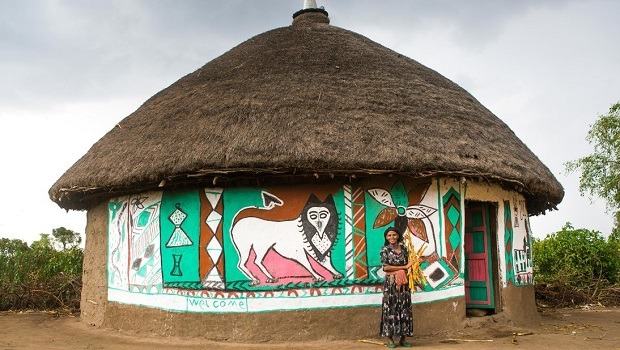
Local culture is rich in music, dance and craftsmanship. Traditional Amhara dances, accompanied by folk songs, are often performed at weddings or festivals. Dessie is also known for its bustling markets, where you can find local products such as:
- Spices
- Livestock hides
- Oilseeds
- Cereals
- Honey
- Beeswax
- Traditional textiles and clothing
- Artisanal jewelry
Economy and Infrastructure
Dessie's economy rests primarily on commerce, agriculture and small industries. The city is a vital economic hub for trade between northern and southern Ethiopia. Local markets, particularly the large weekly market, play a crucial role in the regional economy.
Moreover, agriculture is another major source of income for residents. Surrounding farms produce wheat, teff (a grain used to make injera, a staple Ethiopian food) and vegetables. Livestock farming is also widespread.
Regarding infrastructure, Dessie has seen significant improvements over recent decades. The city is connected to Addis Ababa and other regions by an asphalt road, facilitating the transport of goods and people. Additionally, Kombolcha Airport, located nearby, offers regular flights to major Ethiopian cities.
From an educational perspective, Dessie is home to several schools and higher education institutions that attract students from across the region. These establishments play an important role in training the local workforce and building capacity.
Dessie also has a museum housed in the former residence of Dejazmach Yoseph Birru (a former nobleman). The city also hosts a zaouia (Muslim religious building) affiliated with the Qadiriyya Sufi order, the very first to establish itself in North-East Africa.
By Air
Dessie is served by Kombolcha Airport, located approximately 13 km from the city. There are indeed airlines that offer domestic flights from Addis Ababa to Kombolcha. Once you arrive, simply take a taxi or minibus to reach Dessie.
By Private Car
Dessie is approximately 400 km north of Addis Ababa. You can rent a car or take a shared taxi to get there. The journey takes between 6 and 8 hours, depending on road conditions.
By Regional Bus
There are also regional buses and long-distance transport companies that run regular trips between Addis Ababa and Dessie. These buses typically depart early in the morning from the main bus terminals in the Ethiopian capital.
By Local Minibus
If you are already in a nearby city such as Kombolcha (located 25 km to the north-west), local minibuses are a common and affordable option to reach Dessie.
Dessie Today
Despite its many assets, Dessie faces several challenges. Rapid population growth exerts pressure on urban infrastructure, such as access to drinking water and sanitation. Moreover, ethnic and political conflicts that sometimes affect the region can hinder economic development.
However, the city also has many opportunities. Tourism potential remains under-developed, and investments in this sector could create jobs and stimulate the local economy. Similarly, the expansion of infrastructure, particularly roads and energy, can strengthen Dessie's position as a key regional hub.
Attractions
Dessie is a destination that appeals to nature lovers, history enthusiasts and culture seekers. Here are some of the must-see places to visit:
Lake Hayq
Lake Hayq is one of the major natural attractions near Dessie. This picturesque lake is surrounded by verdant hills and offers opportunities for fishing, swimming and hiking. Nearby stands the Monastery of Debré Estifanos, a historic religious site dating back to the 13th century.
Mount Tossa
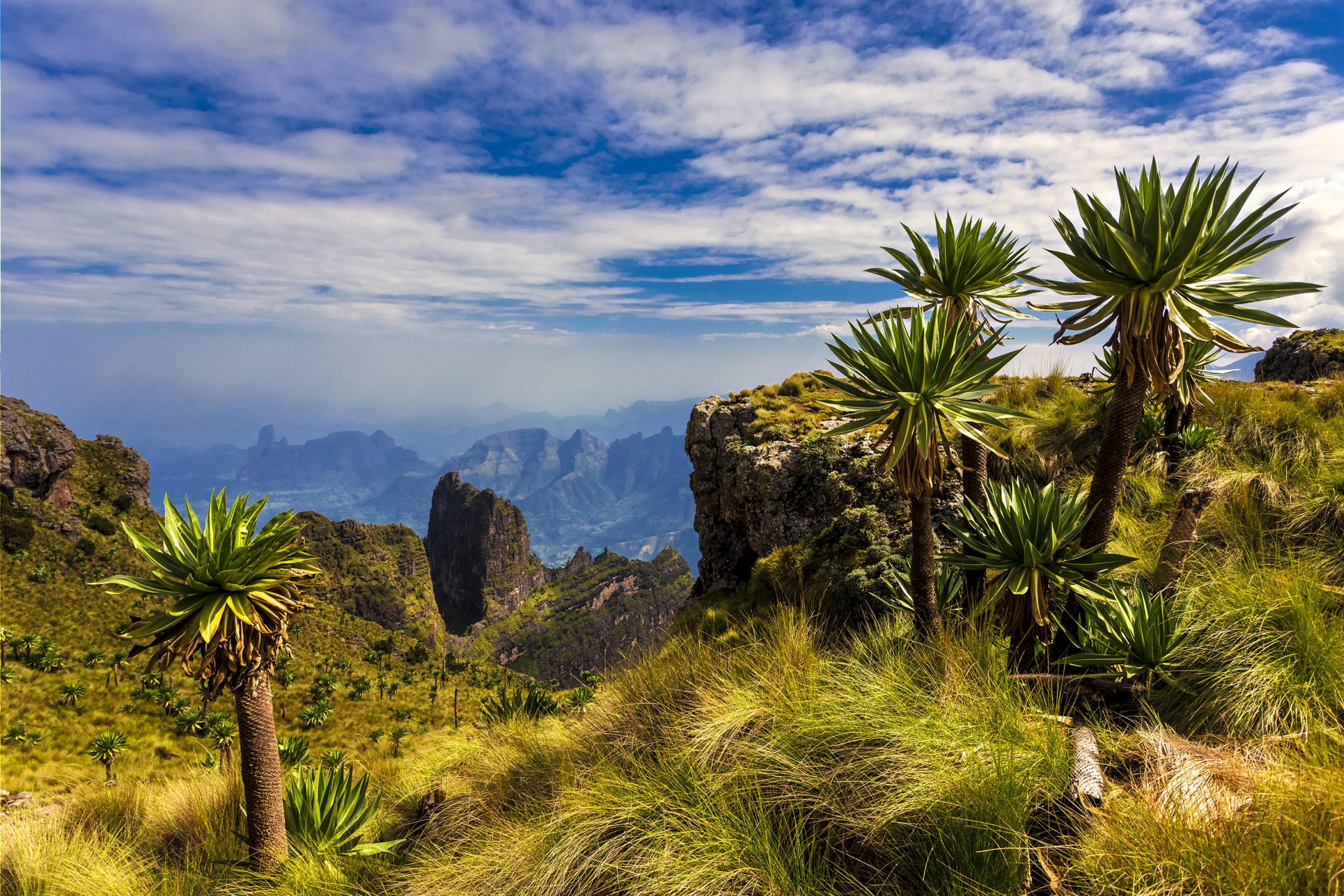
For hiking enthusiasts, Mount Tossa is an ideal destination. Reaching 3,100 meters, it offers panoramic views of the surrounding region and is home to diverse flora and fauna.
Want to discover this destination?
Our local advisors design your tailor-made trip.