Coffee in Ethiopia, a Ritual Like No Other
Ethiopia is the only country in the world where coffee grows in the wild, and locals take great pride in this. In Ethiopia, coffee holds importance not only economically, but also socially and culturally.
Ethiopia is the only country in the world where coffee grows in the wild, and locals take great pride in this. In Ethiopia, coffee holds importance not only economically, but also socially and culturally. Discovering its culture and tasting it is therefore a must-experience on a trip to Ethiopia.
Ethiopia, Land of Coffee
Ethiopia is renowned worldwide for its delicious coffee with a refined and unique taste. In fact, Ethiopia is the birthplace of coffee, and it is from its Kaffa region that this hot beverage takes its very name !
A local legend tells of a shepherd in the 6th century who discovered coffee. His goats are said to have eaten wild coffee beans in front of him, then begun to dance, revealing to the shepherd the benefits of this plant. Later, the beans were used in cooking or eaten raw. It wasn't until the 15th century that coffee became the popular beverage we know today.
Today, Ethiopia is the world's fifth-largest coffee producer. Half of the production remains consumed locally, as Ethiopians have a deep love for this natural treasure !
Coffee Culture
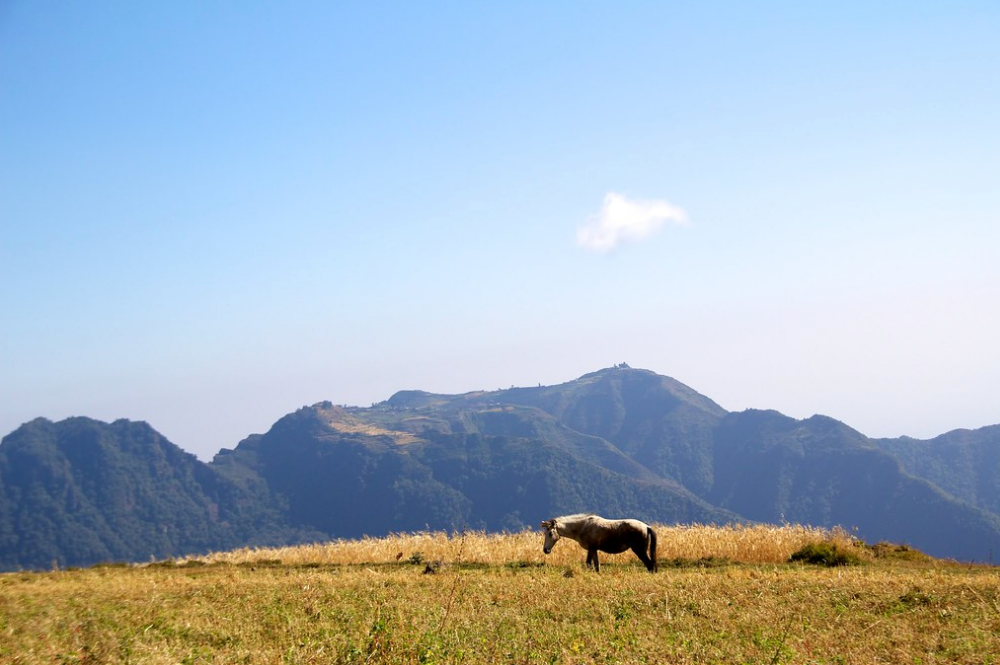
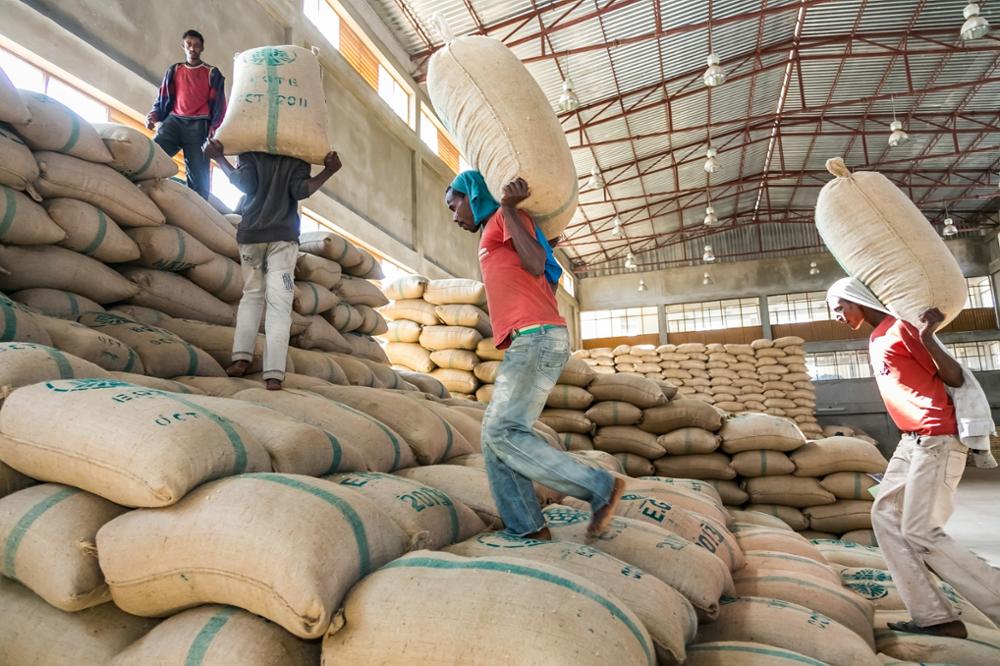
In Ethiopia, the majority of coffee grows in the wild, within high-altitude forests that benefit from abundant rainfall. Coffee represents the country's largest export and a significant portion of its income; it is also one of the main activities for locals.
Despite high global demand for Ethiopian coffee, a pure Arabica, producers continue to make coffee entirely by hand. In fact, more than 90 percent of Ethiopian coffee is produced by small-scale farmers. Beans are picked by hand and dried in the sun, giving the coffee exceptional finesse. Coffee is a leading draw for fair trade and sustainable development in Ethiopia.
Unfortunately, climate change threatens coffee production in Ethiopia. Researchers estimate that 60 percent of coffee-producing lands could disappear by the end of the century due to increasing drought and heat.
The Coffee Ceremony
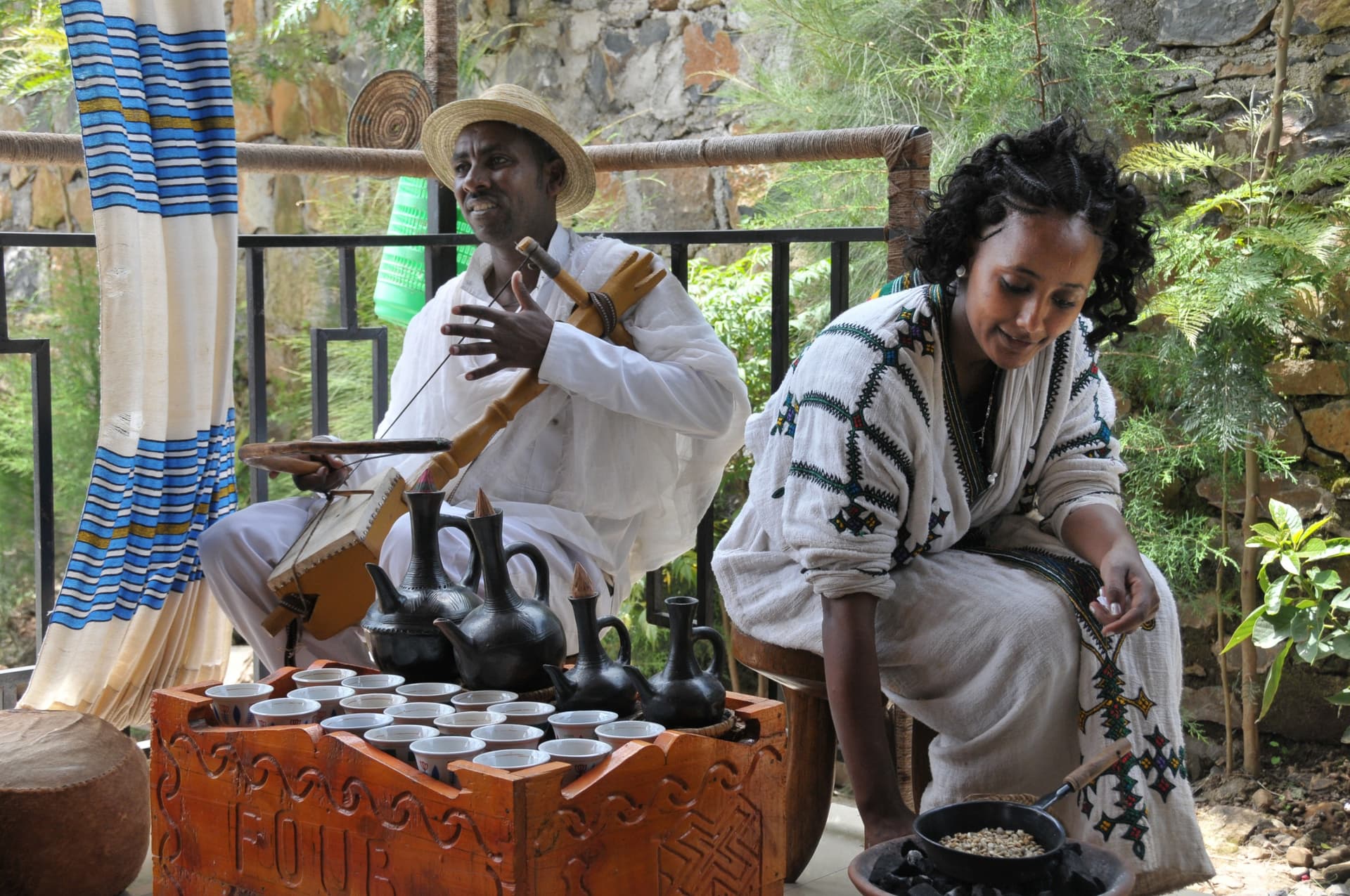
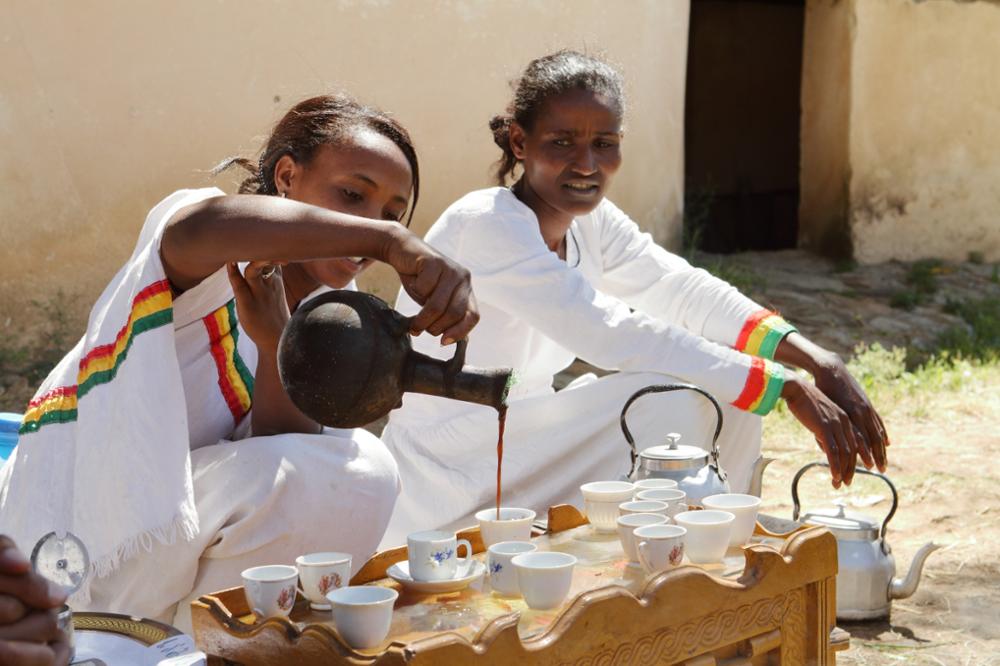
The coffee ceremony ("jebena buna") is one of the most unforgettable moments of a trip to Ethiopia. Indeed, coffee holds a primary place in the lives of Ethiopians, and one cannot truly understand this culture without witnessing this daily celebration. Shared every day with family and friends, coffee is a moment of love and generosity in the lives of locals. Here, you don't rush through a coffee in the morning before running off to work: it's a beverage to be enjoyed slowly and in good company.
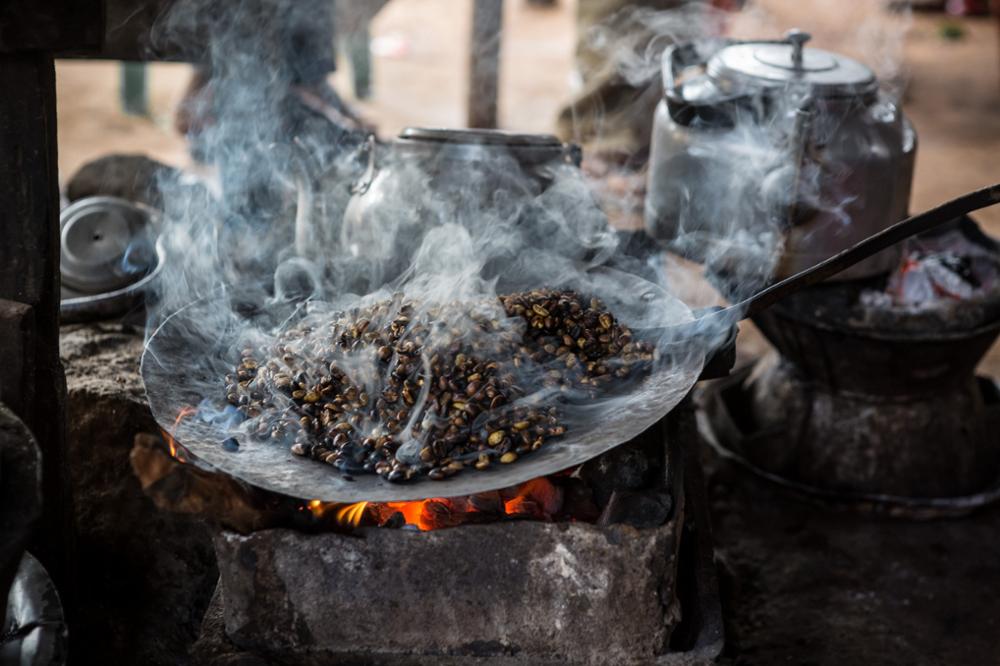
Having coffee in Ethiopia requires considerable time, as it is prepared fresh and ceremonially each time. Fresh green coffee beans are first washed then roasted in a pan, filling the air with a delightful aroma of roasted coffee. Next, the woman in charge of the ceremony, often dressed in traditional clothing, grinds the coffee by hand. The coffee is then prepared in a black earthenware pot over a charcoal fire. Before serving the coffee, incense is always burned, adding a sumptuous scent to this enchanting atmosphere. During the Ethiopian coffee ceremony, one typically enjoys three cups of coffee, with the first always being the most bitter. Ethiopians drink their coffee with sugar, as it is completely natural and therefore highly flavored !
It is an important moment of sharing where you draw closer to family, friends, or passing strangers. For travelers, it's an opportunity to meet locals !
Frequently asked questions
Ethiopia is the only country in the world where coffee grows naturally in the wild. It is in the Kaffa region, whose name is said to have given rise to the word 'coffee', that legend places the discovery of the plant in the 6th century by a shepherd whose goats are said to have eaten wild beans. Ethiopia is today the world's 5th-largest coffee producer.
The Ethiopian coffee ceremony, called 'jebena buna', is a daily ritual of sharing. Green beans are first washed then hand-roasted, ground, and prepared in a black earthenware pot over a charcoal fire. Incense is burned during preparation. Three cups of coffee are then enjoyed, the first being the most bitter. This ceremony typically lasts between 45 minutes and 1 hour.
Ethiopia boasts several regions renowned for their coffee quality. The most celebrated are Yirgacheffe (coffee with floral and fruity notes), Sidama, Harrar (coffee with spicy and fruity aromas), and Jimma. Each region offers a unique aromatic profile thanks to different altitudes and microclimates.
Yes, bringing back Ethiopian coffee is a must-have souvenir! The Mercato market in Addis Ababa and local cooperatives offer high-quality coffees, often from fair-trade sources. Opt for whole beans that are unroasted or lightly roasted to best preserve the aromas during transport.
Yes, it is a serious concern. Researchers estimate that 60% of the land currently dedicated to coffee cultivation in Ethiopia could disappear by the end of the century due to rising temperatures and increasing drought. Conservation and adaptation programs are underway to preserve this unique natural and economic heritage.