Fasilidas Castle
Fasilidas Castle
Imperial fortress of the 17th century at the heart of Gondar, Fasilidas Castle opens the doors to the Fasil Ghebbi, a royal complex inscribed as a UNESCO World Heritage Site since 1979.
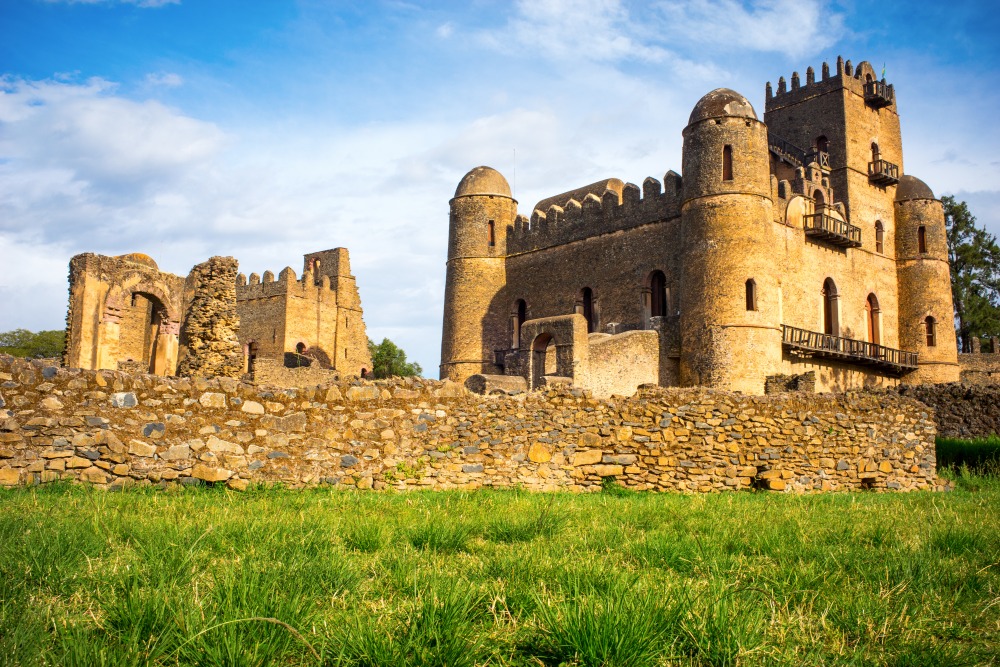
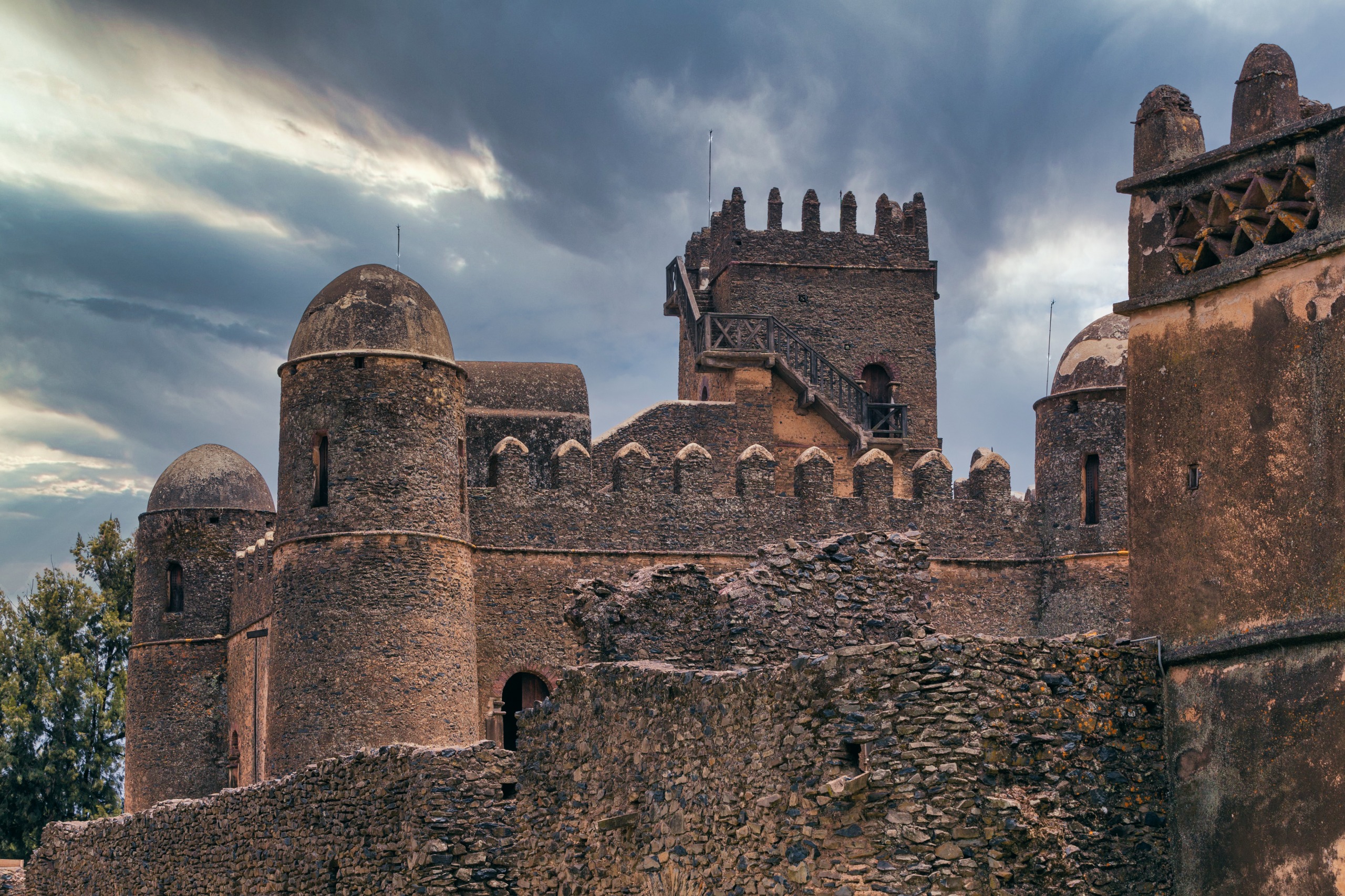
The Fasilidas Castle dominates the city of Gondar, the ancient imperial capital founded in 1636 north of Lake Tana. Built of basalt stone in the 17th century by Emperor Fasilidas, it forms the heart of the Fasil Ghebbi, a royal complex inscribed as a UNESCO World Heritage Site since 1979. Square in plan and flanked by four corner towers, the edifice blends Axumite, Indian, and Portuguese architectural influences, testament to the exchanges maintained at the time via the Red Sea.
Why Visit Fasilidas Castle
- A fortified complex unique in the Horn of Africa, sometimes nicknamed the "Camelot of Africa."
- A hybrid architecture that merges Ethiopian traditions with foreign influences (India, Portugal).
- An extensive UNESCO site where several royal buildings still stand across more than 70,000 m².
- A logical starting point for exploring Gondar's heritage: painted churches, royal baths, monasteries.
A New Capital in the 17th Century
In 1636, Emperor Fasilidas chose Gondar as the permanent seat of power, ending centuries of itinerant courts. He had a stone castle built there, the first piece of a complex that would expand under his successors. The use of basalt stone, sourced locally and particularly resistant, explains the edifice's good state of preservation despite repeated rainy seasons.
The architectural choices reflect the commercial and diplomatic openness of the Christian Ethiopian kingdom: massive volumes and towers inspired by European design, openings and finishes borrowed from Axumite traditions, ornamental details linked to Indian contacts via the Red Sea. Portuguese presence, predating Fasilidas's reign, had already left a technical imprint that builders continued to develop.
The castle served in turn as a royal residence, a refuge in times of unrest, and a place of worship. Its high-altitude situation also offered the court a coolness that was welcome far from the lowlands.
What to See
Fasilidas Castle
The main edifice, of square plan, rises over two stories with four corner towers. The exterior impresses with its volumes; the interior remains austere, bare walls and openings with medieval arches. Natural light traverses the rooms through high, narrow windows. From the terraces, views extend over Gondar and the surrounding hills.
Other Buildings of the Fasil Ghebbi
The castle is not visited alone: the royal enclosure houses several structures erected by Fasilidas's successors.
- Palace of Iyasou: a refined edifice of Fasilidas's son, partially ruined.
- Banquet hall and library attributed to Yohannes I.
- Church and royal stables, more modest but clearly identifiable.
- Sanctuaries and chapels scattered throughout the surrounding vegetation.
Practical Information
- Duration of visit: allow 1.5 to 2.5 hours to explore the enclosure without rushing.
- Admission fee: paid entry, combined ticket covering the entire Fasil Ghebbi (moderate rate for foreign visitors).
- Hours: open daily during daytime; late afternoon hours offer favorable light for photography.
- Guides: English-speaking local guides are available at the entrance and provide useful insights into the history of the Gondarene dynasty.
- Attire: wear suitable footwear (uneven surfaces) and covered clothing to enter the chapels.
When to Visit
The dry season, from October to May, remains the most comfortable time to explore Gondar: clear skies, moderate daytime temperatures, cool mornings and evenings. The rainy season (June to September) makes travel less pleasant but offers lush green landscapes.
If your dates permit, aim for the Timkat festival (Orthodox Epiphany, mid-January): Gondar is one of the principal sites for this celebration, which takes place around Fasilidas's baths, a few kilometers from the castle.
How to Get There
The castle is located in the heart of Gondar, accessible on foot or by taxi from the center. To reach the city:
- By air: Ethiopian Airlines operates several daily flights between Addis Ababa (Bole International, ADD) and Gondar airport (GDQ). The flight takes approximately one hour.
- By road: from Bahir Dar and Lake Tana, allow approximately 3 hours of driving; from Axum, the traverse of the Simien mountains constitutes a frequent leg of northern circuits.
Nearby
- Debre Birhan Selassie Church: renowned for its ceiling covered with angels' faces, minutes from the castle.
- Lake Tana and sources of the Blue Nile: island monasteries and Nile Falls, accessible from Bahir Dar.
- Abreha Atsbeha Church: a rock-cut church in Tigray, a complementary stop for Christian heritage enthusiasts.
- Dorze Country: to extend your journey into southern Éthiopie and its living cultures.
Frequently Asked Questions
Frequently asked questions
Yes. The entire Fasil Ghebbi complex, of which the castle is a part, has been inscribed as a UNESCO World Heritage Site since 1979.
Between 1.5 and 2.5 hours depending on your interest in the ancillary buildings and whether you have a guide. Half a day allows you to proceed to Debre Birhan Selassie Church and Fasilidas's baths.
The dry season, from October to May, offers the best conditions. The Timkat period (mid-January) is exceptional but very crowded.
The simplest option is a domestic flight on Ethiopian Airlines between Bole airport (ADD) and Gondar airport (GDQ), lasting approximately one hour.
Its corner towers, crenellations, and stone volumes recall the imagery of European medieval castles, while the edifice is firmly rooted in Ethiopian imperial tradition.
Plan Your Trip
Fasilidas Castle is a key stop on the historical circuit of northern Éthiopie, alongside Axum, Lalibela, and Lake Tana. To build a tailor-made itinerary incorporating Gondar, consult our suggestions for travel in Éthiopie.
Interested in this visit?
We can include it in your personalised itinerary.