Asheton Mariam Monastery
Asheton Mariam Monastery
Perched at 3,000 m altitude above Lalibela, the rock-hewn Asheton Mariam monastery preserves frescoes, relics and living Ethiopian Orthodox liturgy.
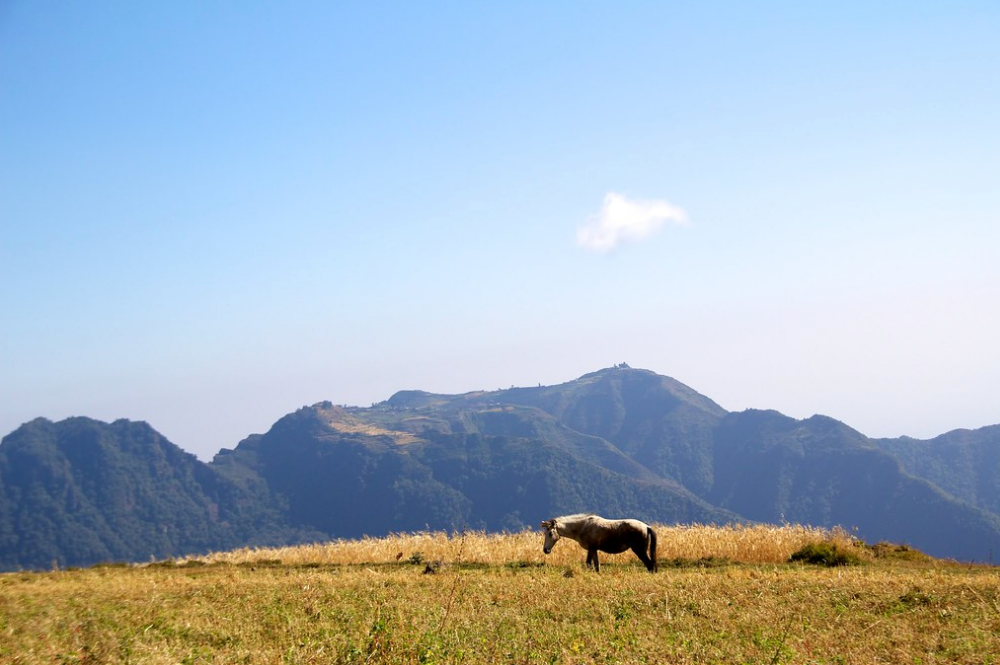
Perched at approximately 3,000 meters altitude in the highlands of Amhara, Asheton Mariam monastery is carved into a cliff face of Mount Abuna Yoseph overlooking Lalibela. An active pilgrimage site of the Ethiopian Orthodox Church, it combines historical significance (Zagwe dynasty), religious heritage (frescoes, relics) and high-altitude trekking.
Why Visit Asheton Mariam?
- A rock-hewn monastery still in active use, with a resident priest and monks perpetuating liturgy in Ge'ez.
- Rare relics preserved on-site: ancient crosses, manuscripts, illuminated bible, icons and liturgical objects in gold and silver.
- An expansive view over the plateaus and valleys surrounding Lalibela.
- A natural complement to visiting Lalibela's rock-hewn churches, to grasp the monastic and contemplative dimension of Ethiopian Christianity.
History of the Monastery
Tradition attributes the initial project to King Lalibela, who is said to have begun carving the sanctuary without completing it. The work was finished under his successor Ne'akuto Le'ab (or Na'akuto La'ab), the last ruler of the Zagwe dynasty (1215–1255). Designed as a place of meditation and prayer, the monastery is dedicated to the Virgin Mary, a central figure in Ethiopian Orthodox worship.
Inside, a small chapel houses the tomb of King Na'akuto La'ab, anchoring the site in the dynastic memory of the Zagwe kingdom and making it, to this day, a place of continued devotion.
What to See On-Site
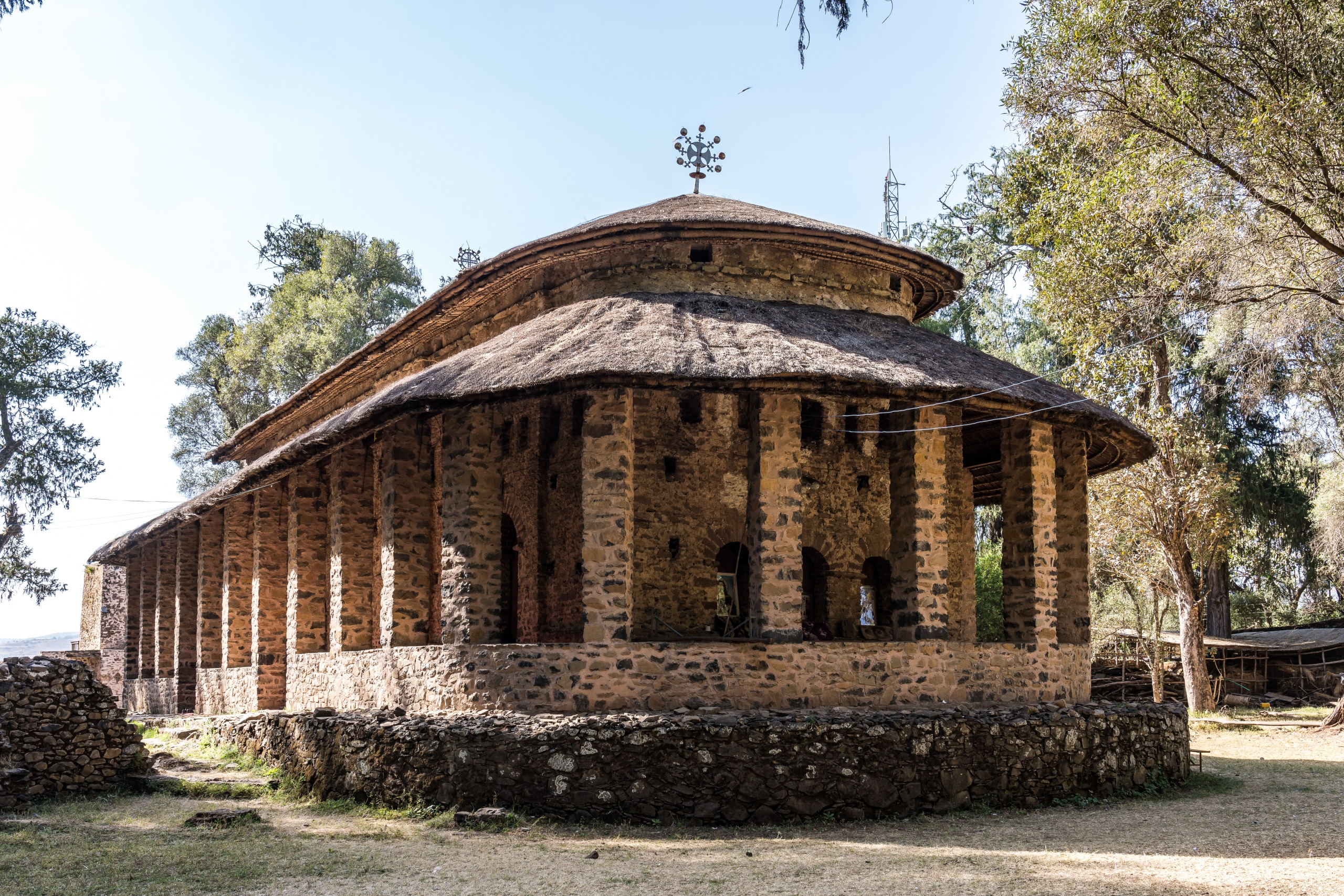
Asheton Mariam does not possess the architectural complexity of Lalibela's monolithic churches, but its simplicity reflects the eremitic vocation of the site. The main sanctuary, sculpted from the cliff face, preserves several remarkable elements:
- Frescoes and wall paintings depicting biblical scenes, saints and angels, partly weathered by time.
- Ancient processional crosses and icons in Ethiopian tradition.
- Religious manuscripts, including an illuminated bible with colorful drawings.
- Liturgical objects in gold and silver, shown to visitors under the care of the monks.
Monastic Life and Liturgy
The monks live by strict rules of prayer, fasting and meditation. Services are held daily, punctuated by liturgical chants accompanied by drums and sistrum rattles. Young boys are initiated into the monastery to learn Ge'ez, the liturgical language now mastered mainly by priests and religious professionals. Should you arrive during a service, remain discreet and observe: the monks are generally welcoming to respectful visitors.
Practical Information
- Dress code: covering clothes (shoulders and knees), discreet behavior. The site is first and foremost a place of worship.
- Equipment: hiking boots, plenty of water, sun protection and warm clothing (altitude brings cool temperatures quickly).
- Local guide: recommended for historical context, translation with monks and trail orientation.
- Gratuity: a donation to the monastic community is customary, especially if relics are shown to you.
- Photography: always ask permission before photographing monks, frescoes or liturgical objects.
When to Visit
The dry season, October to March, remains the best period: trails are passable and visibility from the cliff is clear. For a more spiritually immersive experience, time your visit with major Orthodox festivals, particularly Meskel (late September) and Timqet/Timkat (mid-January), which mobilize the monastic community and pilgrims strongly.
How to Get There
The monastery is located approximately 8 km from Lalibela, which is the logical starting point. The road does not reach the sanctuary: the final approach is on foot. Three options are available depending on your fitness level and available time:
- By vehicle + short walk: a high-altitude parking area allows you to reduce the approach to about 30 minutes of walking.
- Full trek: allow 3 to 5 hours from Lalibela on a steep, rocky trail. Altitude acclimatization is essential.
- By mule: an intermediate option, common in the region, that eases effort while maintaining trail rhythm.
What to Combine in the Region
Asheton Mariam fits naturally into a longer stay around Lalibela and beyond:
- Lalibela and its eleven UNESCO-listed rock-hewn churches, to explore over 1 to 2 days.
- The plateaus of Abuna Yoseph park, refuge of the Ethiopian wolf.
- To extend into nature and volcanism: Erta Ale and Dallol in the Danakil.
- For cultural and village experience: the Dorze in the south of the country.
Frequently Asked Questions
Frequently asked questions
Preparing Your Trip
Asheton Mariam is part of a broader itinerary blending Christian heritage, high plateaus and vast landscapes. To build a coherent stay around Lalibela and other Ethiopian sites, explore our Éthiopie trip ideas.
Interested in this visit?
We can include it in your personalised itinerary.