The Omo River
The Omo River
UNESCO site, Mursi and Hamer peoples, national parks and rafting: complete guide to the Omo River and its valley in southern Éthiopie.
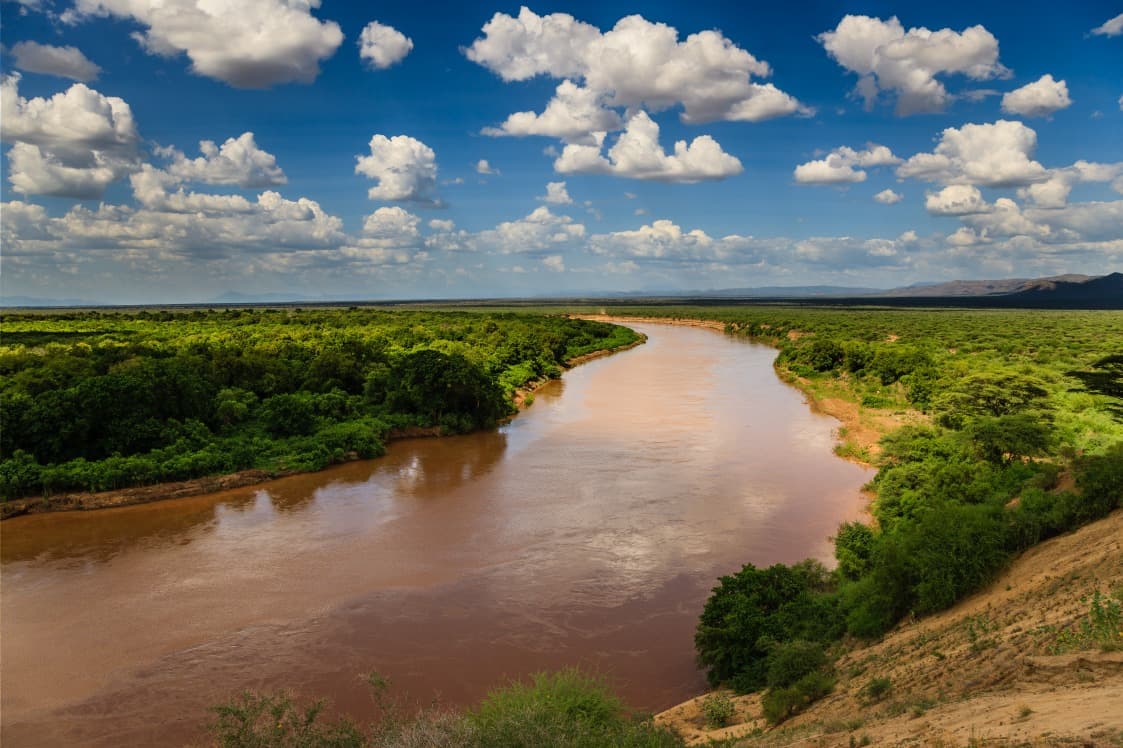
The Omo River flows through southern Éthiopie for 760 kilometers, from the central plateau to Lake Turkana at the Kenyan border. Its basin encompasses three distinctive identities: a paleontological site classified by UNESCO, two national parks teeming with major wildlife, and an ethnic mosaic unique in East Africa. The town of Jinka, perched on the foothills overlooking the valley, serves as the logistical gateway to the region.
Why visit the Omo River
The lower Omo valley concentrates several interests that are difficult to find together elsewhere. It is one of the recognized cradles of humanity, with sedimentary layers that have been excavated since the 1960s. It is also a region where peoples whose pastoral and agricultural ways of life still depend directly on the rhythm of floods continue to live today. Finally, the Mago and Omo parks are home to wildlife typical of the East African savanna, in an environment far less frequented than the major Kenyan or Tanzanian parks.
- World Heritage Site classified by UNESCO since 1980
- Encounters with Mursi, Hamer, Surma, Karo, Turkana and Bodi peoples
- Safaris in the Mago and Omo national parks
- Opportunity to descend the river by rafting in favorable season
History and archaeological heritage
The river originates southwest of Addis Ababa and flows into Lake Turkana via a delta, at the border separating Éthiopie from Kenya. With its 760 km, it ranks among the country's longest watercourses.
It is also known as the "Omo-Bottego," in honor of Italian artillery lieutenant Vittorio Bottego, who died during expeditions conducted between 1887 and 1897. These missions were funded by the Italian government, then seeking a colonial role in the Horn of Africa.
The Omo basin became, from the 1960s onward, one of the continent's major archaeological sites. Excavations there have uncovered hominid fossils belonging to the genera Australopithecus and Homo, as well as quartz tools dating from the Pleistocene and Pliocene periods. This paleontological wealth earned the site its classification as a UNESCO World Heritage Site in 1980.
What to see and do
The peoples of the valley
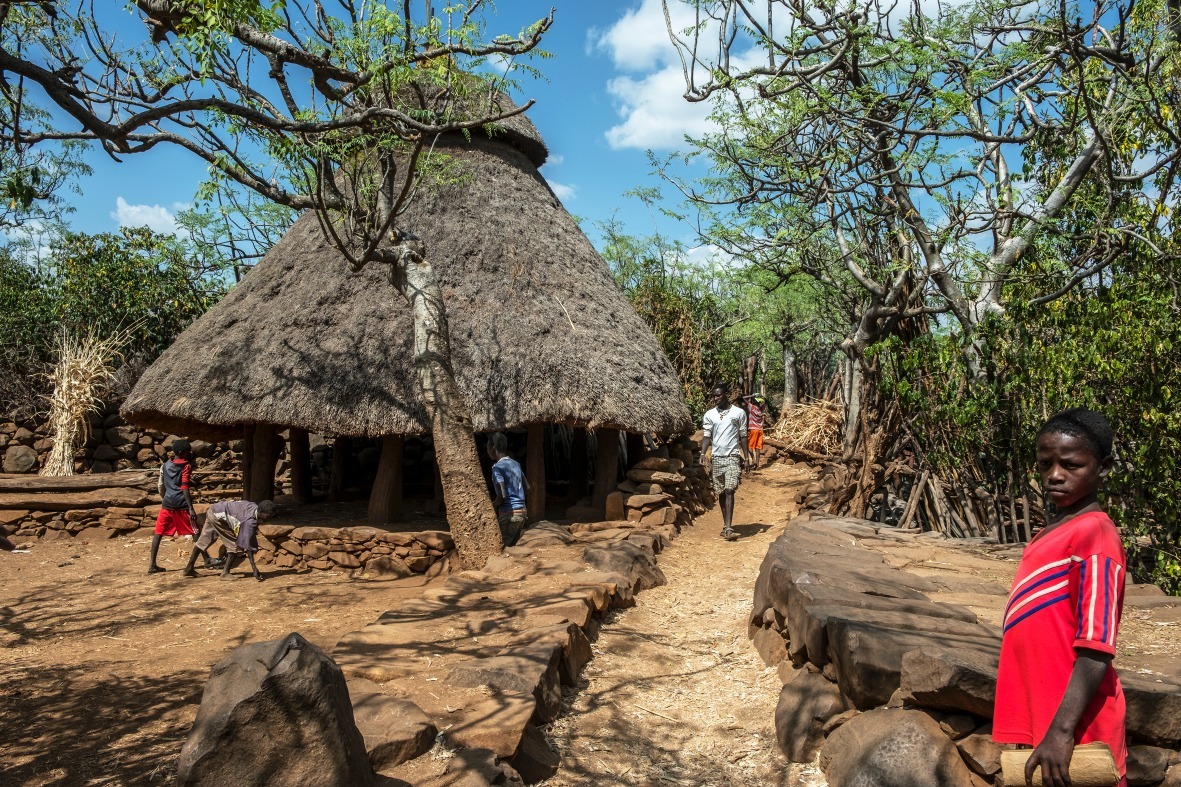
The lower valley is inhabited by several ethnic groups with distinct traditions: the Mursis, recognizable by the lip plates worn by women, the Hamers and their bull-jumping ceremony, the Surmas, Karos, Turkanas and Bodis. Village visits are systematically conducted with a local guide, in a context that demands respect and preparation.
Wildlife of the Mago and Omo parks
The river passes through the Mago and Omo national parks, where you can observe elephants, buffalo, warthogs, giraffes, as well as colobus monkeys and baboons. The river's banks concentrate crocodiles and hippopotamuses. Birdlife is abundant along the shores.
Rafting and navigation
Descending the Omo by rafting is practiced by a few specialized operators, on sections lasting several days. The flow is more voluminous in September-October, just after the rainy season, making it the most suitable window for this activity.
When to go
The region experiences a marked rainy season in July-August: tracks become nearly impassable, even in 4x4 vehicles. The rest of the year corresponds to a drier season, conducive to land travel. To combine safaris and rafting, September and October are particularly interesting: tracks become passable again and the river maintains a good water level. From November to February, travel is facilitated and temperatures remain manageable, but water flow decreases.
How to get there
Access is from Addis Ababa. A domestic flight connects the capital to Jinka, the main entry point to the lower valley. From Jinka, the rest of the journey is made by all-terrain vehicle, crossing the Mago National Park before reaching the shores of the Omo. The direct route by land from Addis Ababa is possible but lengthy (two to three days depending on stops).
Practical information
- Guide required: village and park visits are conducted with a local guide, typically arranged from Jinka or Arba Minch.
- Permits and entrance fees: the Mago and Omo parks charge entrance fees per person and per vehicle, payable on site.
- Accommodation: simple camps and lodges in Jinka, Turmi and around the parks. Camping is common on extended tours.
- Photography: in villages, each photo is negotiated individually with the person photographed. Bring small change in birr.
- Health: antimalarial prophylaxis recommended, yellow fever vaccination required at country entry.
What to see in the region and beyond
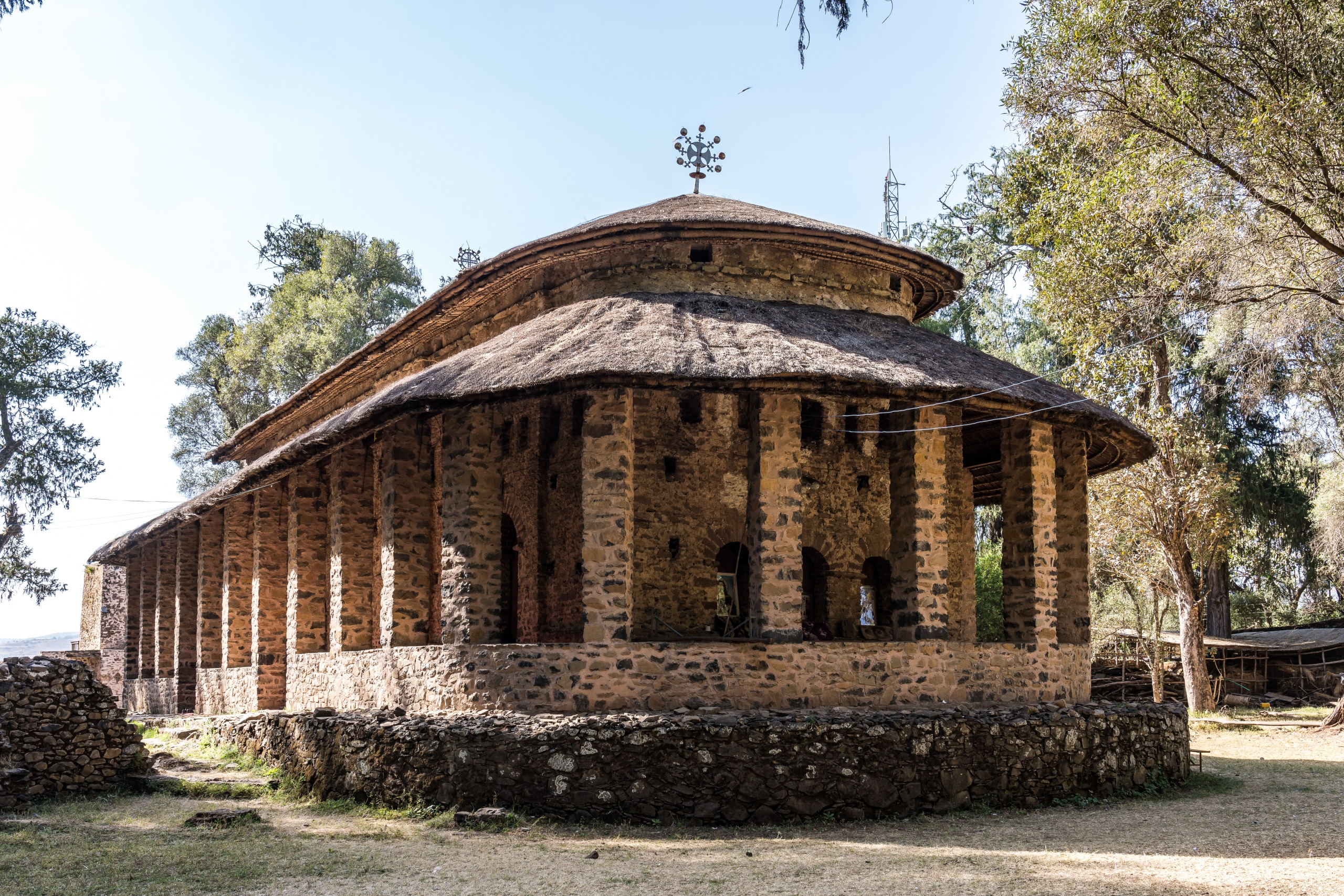
The lower Omo valley is often part of a broader Éthiopie circuit. To the north, the country offers very different landscapes: the Erta Ale volcano and the Dallol depression in the Danakil, or the highlands and their monasteries such as the Asheton Mariam monastery near Lalibela. For nature enthusiasts, the Menagesha national forest near Addis Ababa and the Ethiopian wolf of the Bale Mountains park complete the country's ecological panorama.
Frequently asked questions
Frequently asked questions
Preparing your trip
The Omo valley requires advance planning due to its remoteness and the need for on-site accompaniment. To build an itinerary combining ethnic encounters, safaris and vast Éthiopie landscapes, consult our suggestions for travel in Éthiopie.
Interested in this visit?
We can include it in your personalised itinerary.