Konso Villages
Konso Villages
Inscribed as a UNESCO World Heritage Site in 2011, Konso Villages reveal millennia-old craftsmanship through terraced architecture, Waka stelae, and living traditions of southern Éthiopie.
In the Rift Valley, approximately 50 km from Lake Chamo, Konso Villages welcome you to a natural haven after crossing the arid plains of the Omo. Their terrace architecture hugging the hillsides perfectly will leave you in wonder, as will their religious traditions and the famous Waka sculptures. The Konso people will gladly welcome you into their huts for meaningful exchanges and genuine hospitality, offering you an unforgettable moment of connection during your stay in Éthiopie.
Discovering Konso Villages
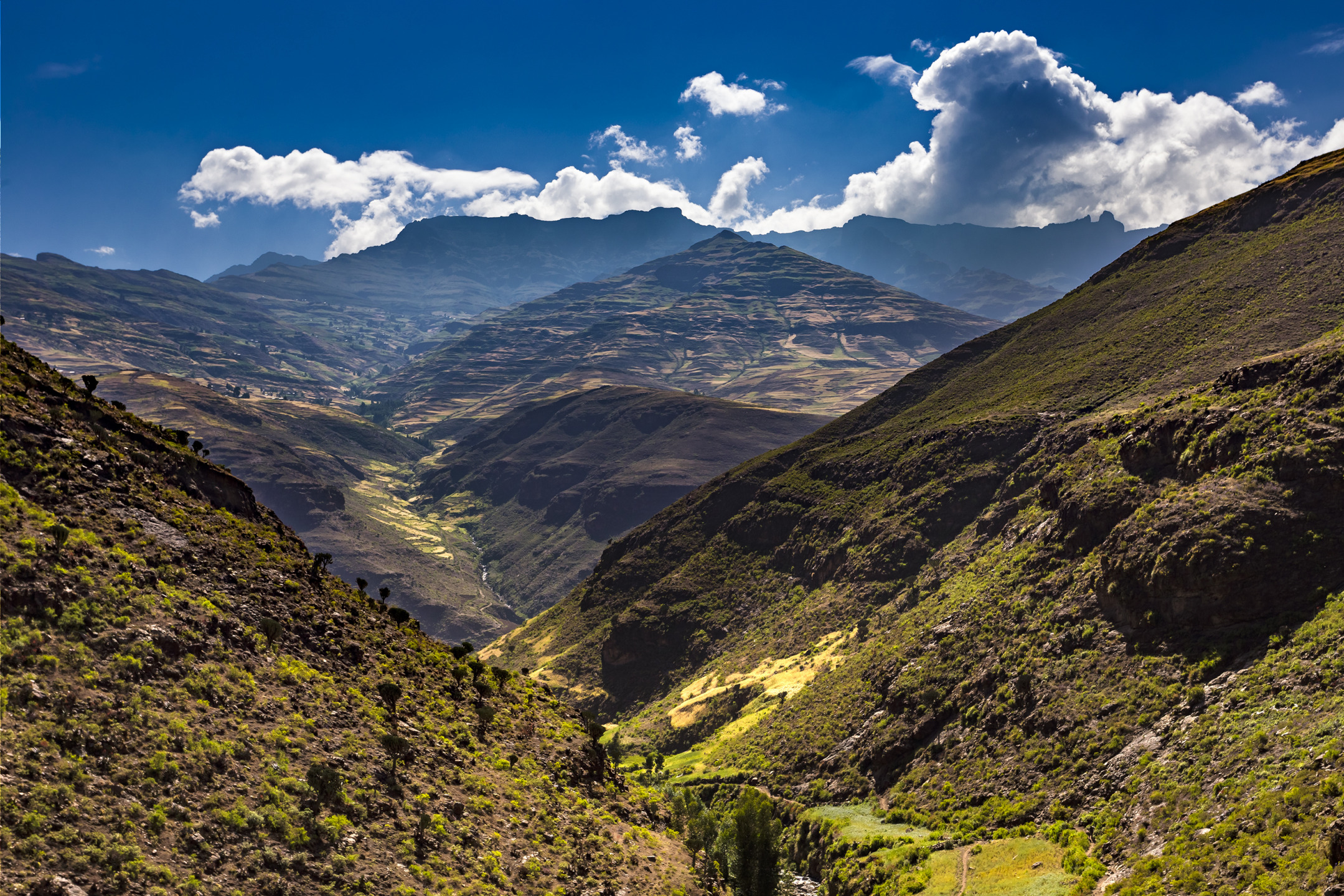
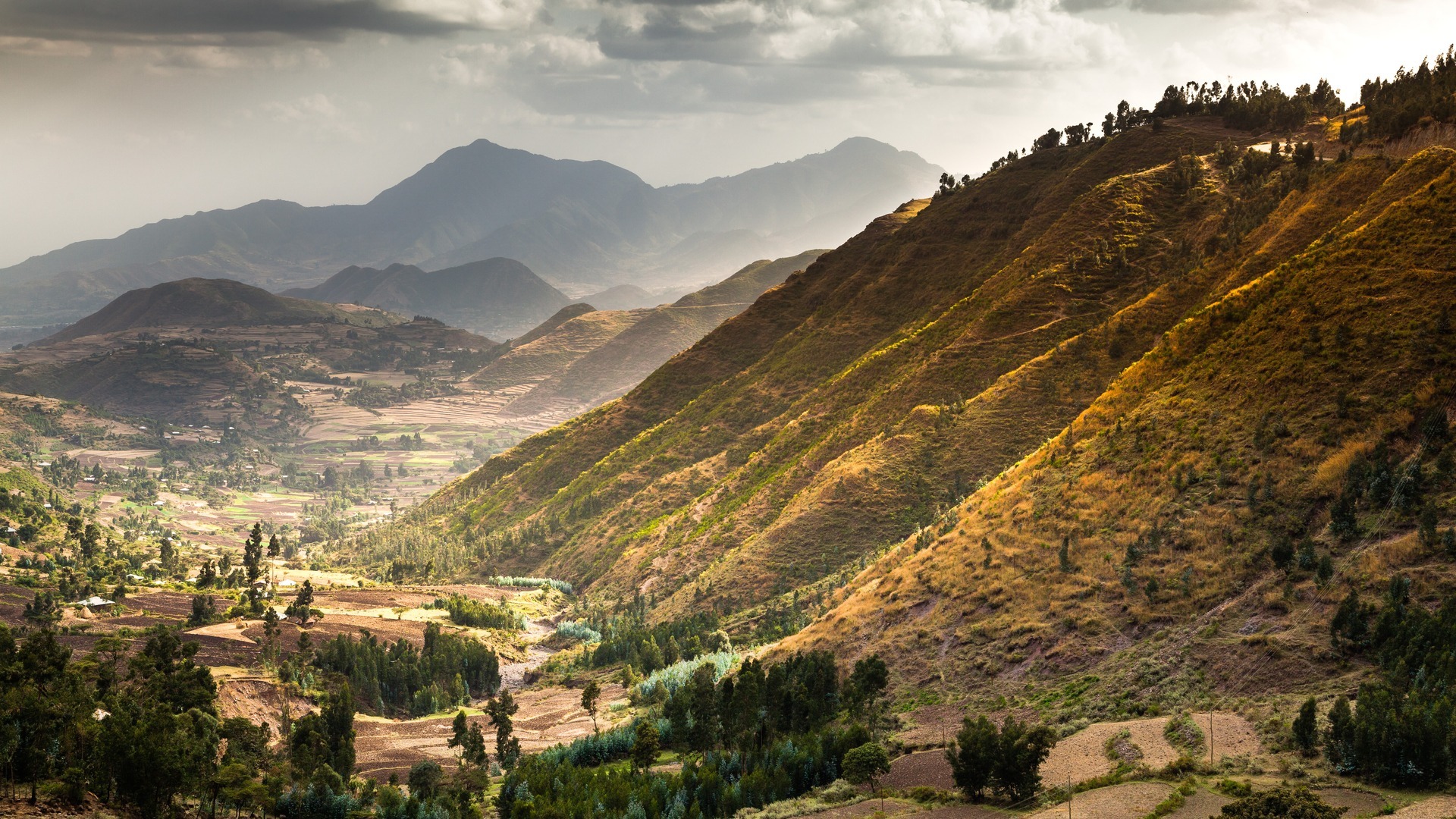
Located approximately 600 km from Addis Ababa, Konso Villages nestle at altitudes between 1,500 and 2,000 metres. The inhabitants have managed to tame the hills and adapt to the area's aridity. They have created a peaceful living environment, in harmony with nature.
A genuine feat of engineering, the terrace arrangement of dwellings results from colossal construction efforts. This layout minimizes erosion risk and facilitates rainwater storage. A rampart of basalt and dried earth, standing over three metres high, encircles the villages. This ingenious system allows protection against animal attacks.
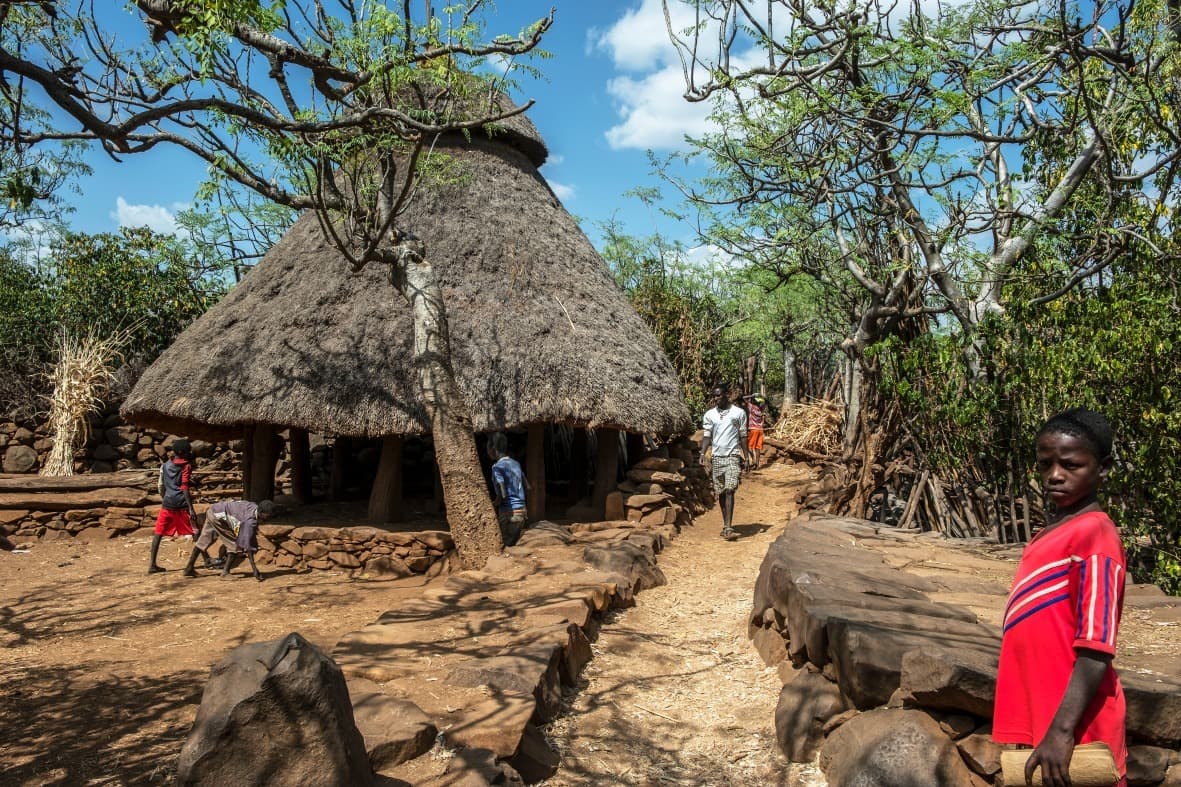
After passing through the fortification, it is the social cohesion among inhabitants that first strikes visitors. Everyone contributes to the upkeep of the villages. Roofs seem to layer with huts built very close together. Families of five to six people live in spaces of 200 m². Around the family dwelling you'll sometimes find small huts destined for domestic animals or grain storage. Built in wood and adobe, the shelters form circular structures covered with thatched roofing. At the roof's peak stands pottery—an original decoration that distinguishes each dwelling.
Narrow pathways wind through the villages. Protected by stone enclosures, the public square or Mora shelters a juniper at its center. Villagers prune it lengthwise during ceremonies marking transfers of power. Persons accused of crimes must swear their innocence upon round stones arranged on the side. Stelae erected in honour of heroic individuals coexist there. Each Mora has a communal house where village guardians live. Their mission is to ensure the population's safety, particularly preventing cattle theft and wild animal attacks. Sacred forests dot the villages. Locals often explore them to gather medicinal plants.
Market day occurs once weekly. It's a feast for the eyes—colourful stalls display villagers' wares in vibrant abundance. The atmosphere is so lively it's impossible to feel bored. You'll quickly become engrossed in exchanges with locals. While women come to do their weekly shopping, men gather to drink beer. It's the perfect place to encounter the diversity of inhabitants. Locals dress in their finest attire. Married women wear colourful skirts, while unmarried women dress in white. Their clothing recalls Creole women with their frills and flourishes.
The Konso Cultural Museum is equally worth visiting. Inaugurated in 2009, the establishment showcases a fine collection of Waka—stelae you'll often see adorning the tombs of deceased tribe members. The museum's creation reflects the Konso people's determination to preserve this heritage. Other objects are also displayed, including traditional utensils and clothing.
Want to discover this destination?
Our local advisors design your tailor-made trip.