Health and Vaccinations in Ethiopia
Healthcare infrastructure in Ethiopia remains limited and less developed than in Western countries. Before traveling to this destination, take the necessary precautions to ensure a safe journey.
Healthcare infrastructure in Ethiopia remains limited and less developed than in Western countries. Before you embark on your journey to this fascinating destination, it's essential to take the necessary precautions to safeguard your health.
Vaccinations
Vaccinations are not mandatory for Ethiopia, unless you plan to explore certain high-risk zones. That said, it's always more prudent and strongly recommended to depart with your vaccinations up to date.
The ideal approach is to plan your vaccination schedule at least 6 weeks before your departure date. Some vaccines require booster shots, and others may be incompatible with each other or contraindicated for pregnant women.
Yellow Fever Vaccine
Although not compulsory for European nationals, it is highly recommended, except in cases of contraindication for senior travelers.
This vaccine is particularly advised for those wishing to visit the tribal regions of the south.
Other recommended vaccines for extended stays include:
· Hepatitis A and B
· DTCP (booster for children)
· Meningitis
· Rabies
· Typhoid
Malaria in Ethiopia
This disease does not affect all regions of the country, despite Ethiopia being classified as a Zone III area (maximum drug resistance).
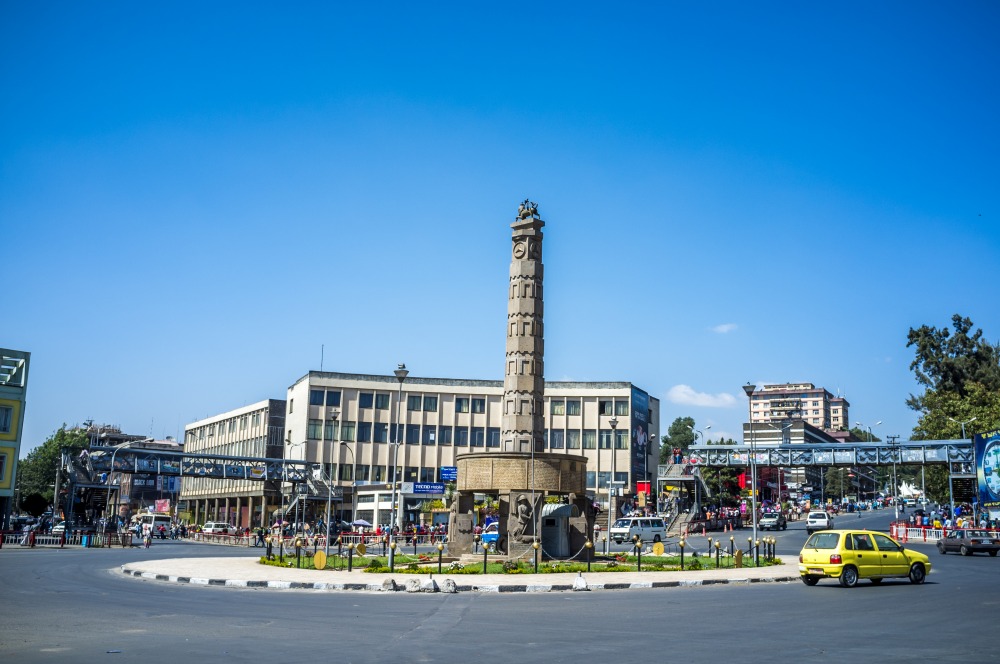
Malaria is not present in zones located above 1,500 meters in altitude. This applies, for example, to Addis Ababa, the Ethiopian capital. A quality mosquito repellent will be a worthwhile addition to your luggage and help minimize contamination risks.
Treatment for this disease is especially recommended if you plan to visit the southern, western, or northern regions. Be sure to pack doxycycline, Malarone, atovaquone-proguanil, and similar medications. Mefloquine should only be used in cases of intolerance to other medications or contraindications.
If during your stay or several months after your return from Ethiopia, you develop a high fever, don't hesitate to consult your doctor as soon as possible.
Always Carry a Medical Kit with You
A medical kit is an essential item for stays in Ethiopia. Here are the key elements that should be included in your kit:
· An antidiarrheal medication (recommended for travel with children)
· An antihistamine for allergies, insect bites, colds, and similar conditions
· An anti-nausea medication for motion sickness
· Paracetamol, aspirin, or ibuprofen to combat pain and fever
· A disinfectant or antiseptic for wounds, cuts, or burns
· Sterile bandages and gauze pads
· Rounded-tip scissors and tweezers
· Hypoallergenic adhesive tape
· Disposable gloves
· A splint
· A thermometer
· Sunscreen (useful for outings in desert and arid areas)
And more.
A Few Precautions to Take During Your Stay
When you're in Ethiopia, be cautious about the foods you eat and beverages you drink to minimize digestive troubles. This doesn't mean you should refrain from sampling local cuisine, as discovering authentic dishes is an integral part of the adventure. Remember to wash your hands as frequently as possible.
Water in Ethiopia
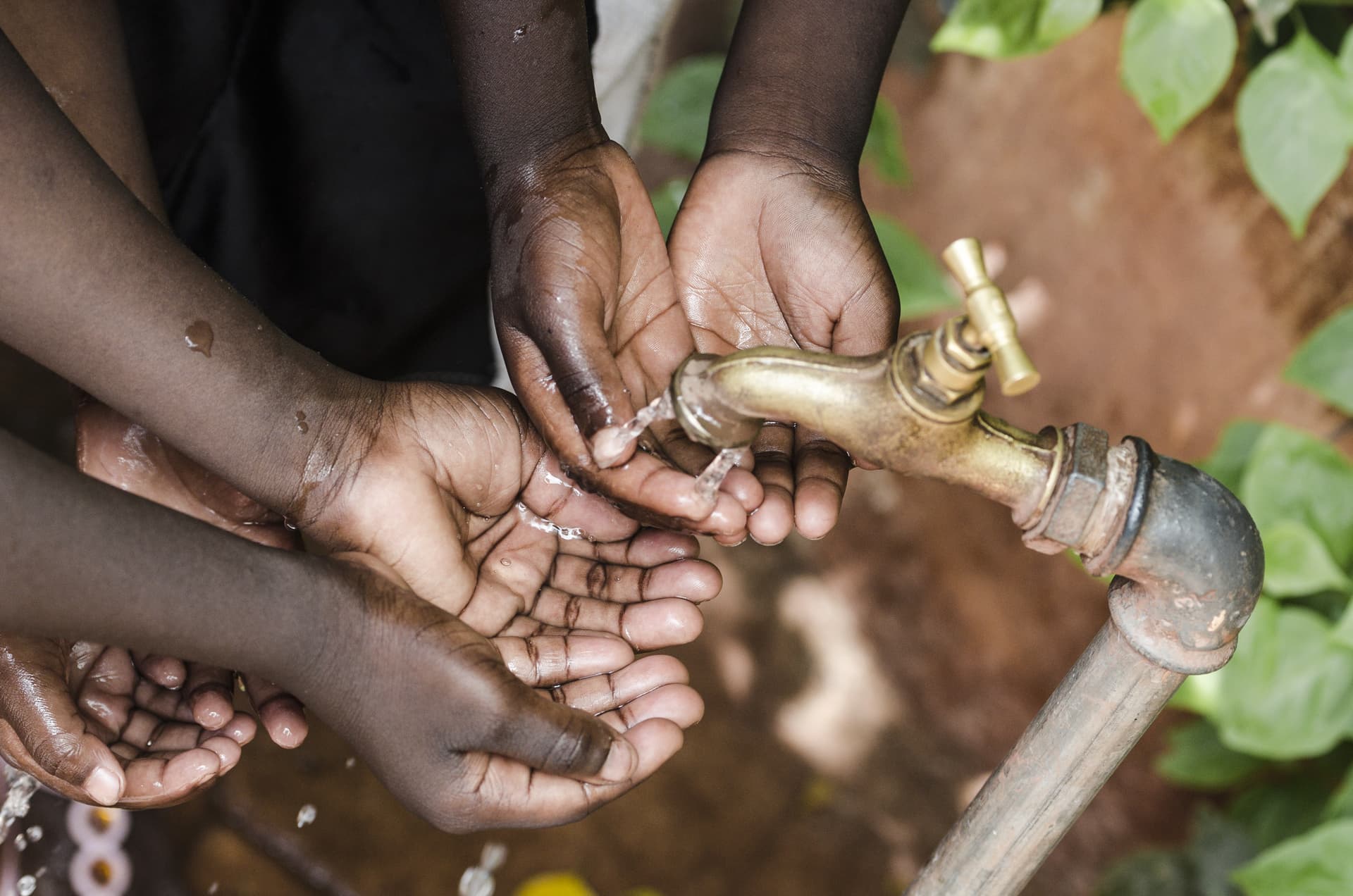
Never drink tap water is the golden rule to follow if you don't want to fall ill. It's even better to stock up on mineral water during your stay.
If you're in a remote area and the water quality is uncertain, always boil it first. This will take no more than 15 minutes. If you can't boil water, use water purification tablets sold at pharmacies.
Also be wary of ice cubes, raw vegetables, and fruits washed with tap water.
To brush your teeth, use only treated water.
Medications
If you need to purchase medications locally, avoid buying from rural pharmacies or street vendors. Their quality is questionable (due to poor storage conditions) and often, they are counterfeit products that are entirely ineffective. The safest option is always to purchase medications from legitimate pharmacies.
The most commonly counterfeited pharmaceutical products in Ethiopia are antibiotics and antimalarial drugs.
HIV/AIDS
Ethiopia is among the African countries most affected by this disease. One of the primary ways to avoid contracting it is through condom use. However, it's important to note that the quality of condoms available on the European and African markets differs. It's best to obtain them before your departure.
In the event you require a blood transfusion, remember to contact the Blood Care Foundation, which can deliver safe blood units within 24 hours to any region in the world.