Abijatta National Park
Abijatta National Park
Located 200 km south of Addis Ababa, Abijatta-Shalla Park combines two Rift lakes, hot springs and renowned birdlife, notably pink flamingos.
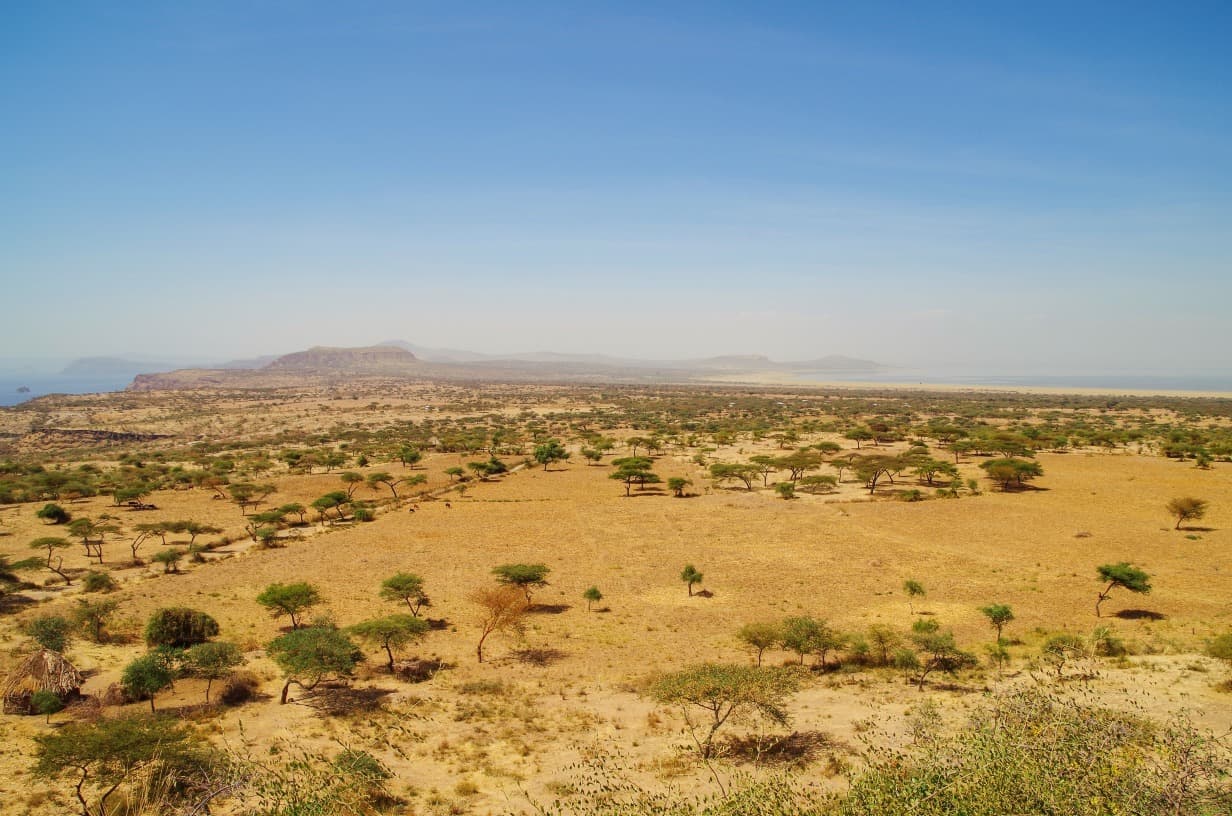
The Abijatta-Shalla National Park covers 887 km² in the Oromia region, 200 km south of Addis Ababa, east of the road connecting Ziway to Shashamane. Established in 1963, it is part of the Great Rift Valley and takes its name from its two lakes: Abijatta, which is shallow, and Shalla, whose depths reach 260 metres in places.
Why visit Abijatta-Shalla Park
The park combines three landscapes within the same area: two lakes with contrasting characteristics, active hot springs and volcanic terrain marked by Mount Fike. It is one of the most accessible sites from Addis Ababa for observing pink flamingos and pelicans, two emblematic species of the alkaline lakes of the Ethiopian Rift.
Visitor numbers remain moderate compared to parks in the south, allowing for a peaceful experience. The site suits travellers interested in birdwatching, Rift landscapes and a half-day hike at moderate altitude.
History of the park
The park was established in 1963 to protect the two lakes and the wildlife surrounding them. Its trajectory was marked by significant human pressure from the end of the Derg regime (early 1990s): taking advantage of weakened authorities, nomadic herders settled inside the park boundaries with their livestock. By 2005, more than 15,000 head of cattle were recorded in the park, which weakened habitats and caused large mammal populations to decline.
Today, the park operates with limited resources, but retains its essential landscape and ornithological value.
What to see in the park
Lake Abijatta
A shallow alkaline lake (14 metres), Abijatta concentrates the birdlife. Its shores welcome large numbers of pink flamingos, as well as pelicans and numerous wading birds. It is the most frequented area for birdwatching.
Lake Shalla
Much deeper, Shalla reaches over 260 metres in places, making it one of Africa's deepest lakes. Its dark waters and volcanic islands form a landscape very different from Abijatta, just a few kilometres away.
Mount Fike
The park's highest point, Mount Fike rises between the two lakes. The general altitude of the site varies between 1,540 and 2,075 metres. The summit offers an overview of both water bodies and the surrounding plain. The ascent is on foot, taking a few hours, with a local guide.
Hot springs
North of Lake Abijatta, several hot springs emerge along the shoreline. They testify to the geothermal activity linked to the Rift and constitute one of the most visited stops in the park.
Wildlife
Among mammals, you can observe mainly warthogs, Grant's gazelles and golden jackals. Diversity remains lower than in parks in the south of the country. The site's main interest is ornithological: over 400 species have been recorded in the Rift lakes area.
The ornithological museum
At the park's headquarters, a small ornithological museum showcases local birdlife through displays and documentation. It is a good starting point before heading out on the trails.
When to go
The dry season, from October to May, is the most favourable period: passable tracks, clear skies, easier observation. The rainy season, from June to September, makes some areas difficult to access and obscures panoramic views. For flamingos, concentrations vary depending on Lake Abijatta's water level, which fluctuates from year to year.
Practical information
- Duration of visit: allow half a day for Lake Abijatta's shores and hot springs, a full day if you add Mount Fike's ascent and Lake Shalla.
- Guide: hiring a guide or scout at headquarters is usually required to move around the park.
- Entrance fees: a park entry ticket must be paid on arrival, with moderate rates.
- Equipment: walking shoes, water, sun protection, binoculars for birdwatching.
How to get there
The park is reached by road from Addis Ababa, approximately 200 km south, via the main road heading down to Ziway, Shashamane and Awasa. Allow 3 to 4 hours travel time depending on conditions. The simplest option is a private vehicle with driver, as part of a Rift Valley circuit. Long-distance buses serve Shashamane, from where you must then arrange local transport to the park entrance.
What to combine in the region
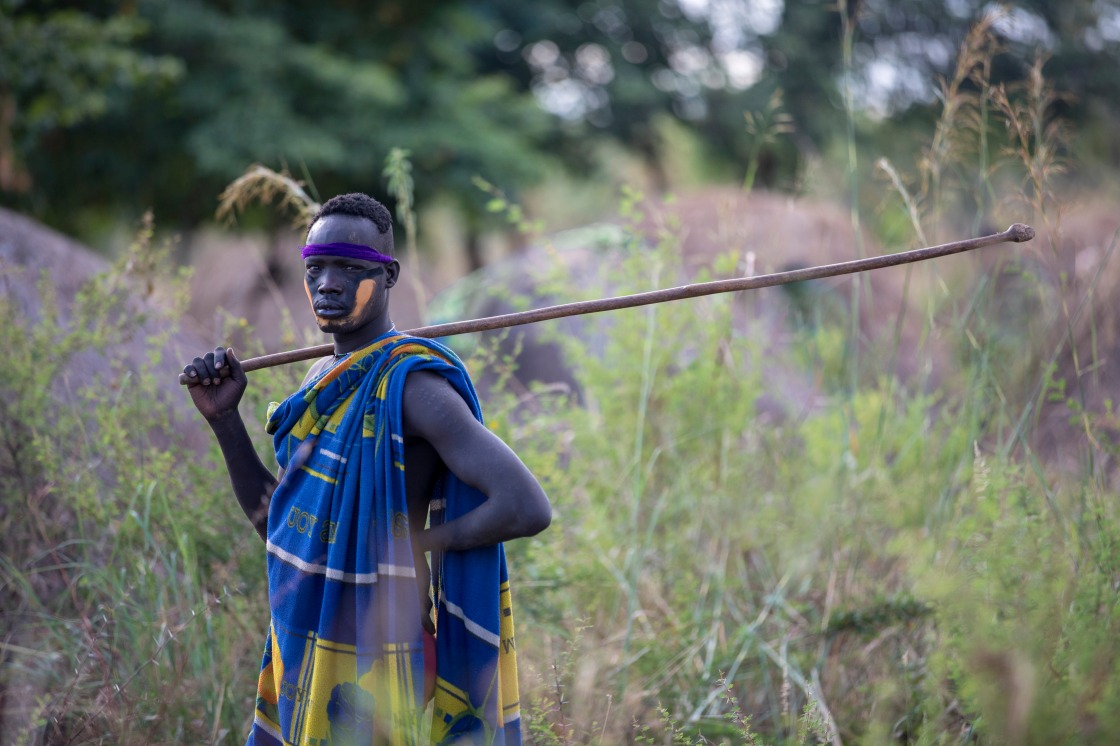
The park fits naturally into an itinerary along the lakes of the Ethiopian Rift. Nearby, Lake Langano offers a beach stop, and further south, the town of Awasa and its fish market are worth a visit. To extend your discovery of Ethiopian nature, you can continue with the Menagesha National Forest near Addis Ababa, or venture further to meet the Mursi peoples of the Omo Valley. Travellers interested in endemic wildlife can also seek to observe the Ethiopian wolf in the Bale or Simien highlands.
To integrate Abijatta-Shalla Park into a complete itinerary, consult our trips to Éthiopie.
Interested in this visit?
We can include it in your personalised itinerary.