Mount Abune Yosef
Mount Abune Yosef
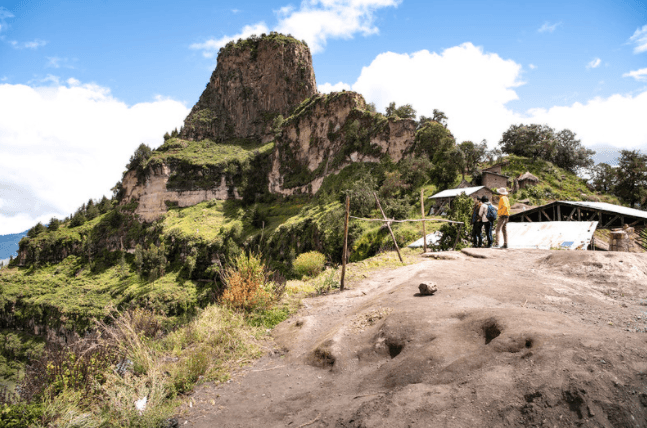
A 4,260 m summit near Lalibela, Abune Yosef is explored via multi-day trekking through medieval rock-hewn churches, endemic fauna, and high-altitude villages.
Mount Abune Yosef rises to 4,260 m elevation, making it one of Éthiopie's highest peaks (often cited as the country's 6th and Africa's 19th). It stands in the Amhara region, within the Lasta massif, roughly 20 km northeast of Lalibela. On its slopes, five Christian buildings—four of which are carved into caves—continue the rock-hewn tradition that made the region famous.
Why visit Mount Abune Yosef
Abune Yosef brings together three dimensions rarely found on the same Éthiopie massif: medieval religious heritage, Afro-alpine endemic fauna, and agricultural lifestyles barely touched by modernity. The trek across the mountain chains together troglodytic churches, high-altitude plateaus, and herding villages, without the tourist crowds of more famous sites.
- Heritage: five Christian churches, including the renowned 12th-century Yemrehana Krestos.
- Wildlife: opportunity to spot the Éthiopie wolf (rare and endemic), gelada baboons, and over 220 bird species.
- Trekking: a multi-day trek between 2,300 and 4,260 m, with nights in local homes.
History and religious heritage
Like Lalibela, Mount Abune Yosef belongs to the territory of the Zagwe dynasty, which ruled Christian Éthiopie between the 10th and 13th centuries. The largest rock-hewn church on the massif, Yemrehana Krestos, was built in the 12th century by the king of the same name inside a natural cave. Its wooden and stone structure, predating Lalibela's monolithic churches, testifies to an important stage in Éthiopie religious architecture.
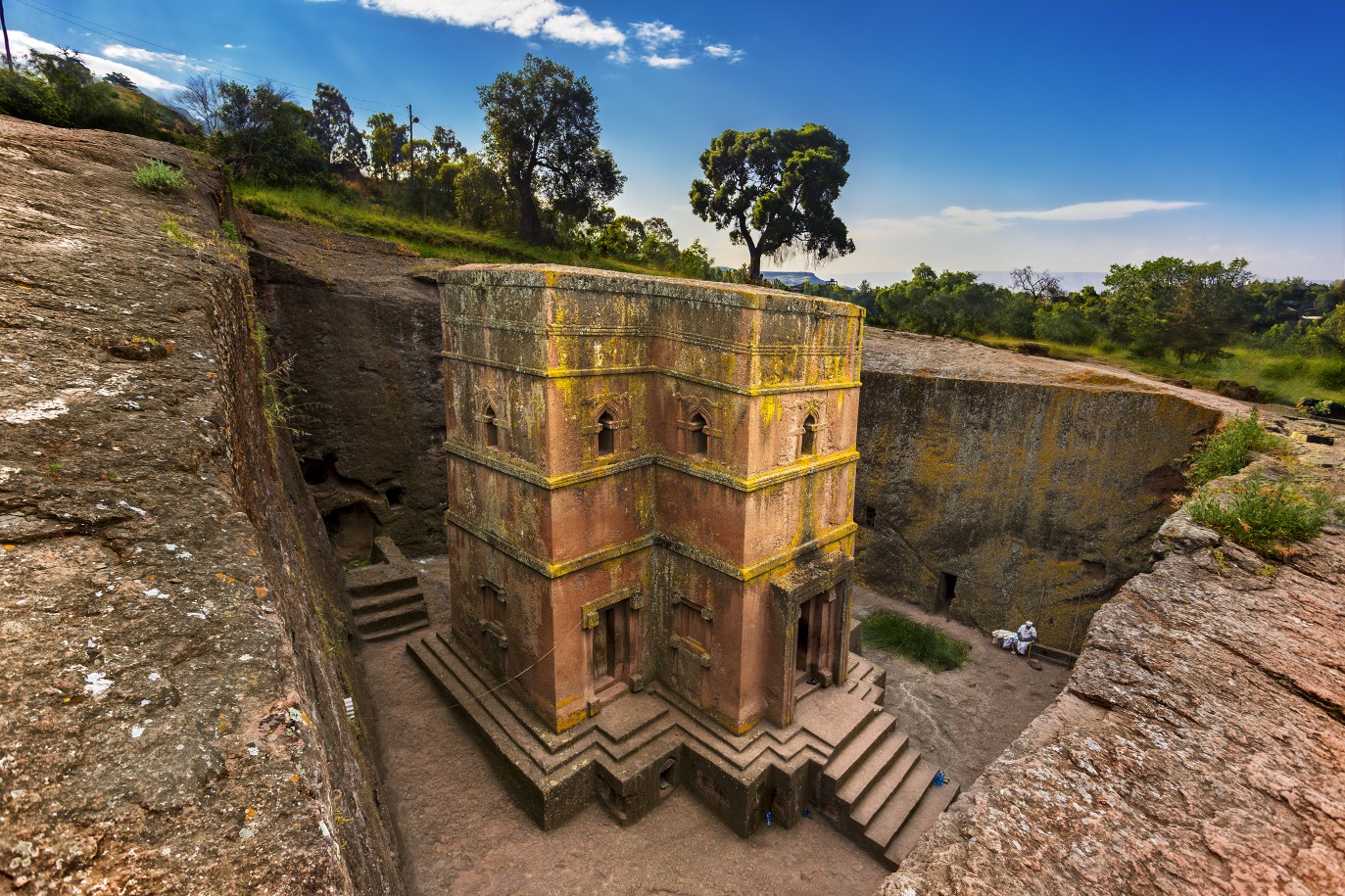
The church of Gennete Maryam, located at 2,300 m elevation in the village of the same name, is the massif's only monolithic church built in the open air. Higher up, the Mekina Medhane Alem church, about 4 km beyond Gennete Maryam, is one of four churches built within a cave. These sanctuaries remain active places of worship; visiting requires respectful behavior (modest dress, removing shoes at the entrance).
What to see and do
Rock-hewn churches
Yemrehana Krestos, Mekina Medhane Alem, Gennete Maryam, and two other buildings punctuate the trek route. Each has its own distinctiveness—frescoes, ancient timber frames, troglodytic settings—and resident priests are usually happy to explain their purpose.
Afro-alpine wildlife
The high plateaus harbor fauna adapted to altitude. With some luck and an experienced guide, you may spot the Éthiopie wolf (Canis simensis), an endemic species among the planet's most threatened. Troops of gelada baboons are easier to observe, as are spotted hyenas toward evening. For ornithology, the massif hosts over 220 species including the golden eagle.
High-altitude villages
The villages along the route are inhabited by farmers and herders who cultivate barley and raise sheep and cattle. Several offer lodging and meals to trekkers, often creating the trek's most memorable moments.
Practical information
- Duration: trek of 3 to 6 days depending on chosen itinerary, from Gennete Maryam to the summit and back.
- Level: moderate to challenging—the altitude (up to 4,260 m) demands a slow pace and proper acclimatization.
- Guiding: a local English-speaking guide is strongly recommended for navigation, translation, and church access. Mules can be hired to carry gear.
- Accommodation: nights in local homes in traditional villages, sometimes camping.
- Equipment: warm clothing (nights are cold at altitude), sturdy hiking boots, sleeping bag, headlamp, sufficient water supply.
When to go
The dry season, October through March, is most favorable for trekking: trails are passable, skies clear, temperatures cool yet manageable. June through September marks the main rainy season (kremt) and makes trails muddy and slippery. Nights remain cold year-round at 4,000 m, sometimes with frost.
How to get there
Access is from Lalibela, served by air from Addis Ababa (daily flights). From Lalibela, the village of Gennete Maryam is reached by 4x4 vehicle in about an hour's drive, the typical trek starting point. Organization almost always goes through a local agency or independent guide based in Lalibela, who arranges mules, permits, and village lodging.
Nearby attractions
The Abune Yosef trek combines naturally with visiting Lalibela and its UNESCO-listed ensemble of monolithic churches. Travelers interested in Éthiopie Christian heritage can extend their itinerary to Tigray to discover the Abreha Atsbeha church, or to Gondar for the Debre Birhan Selassie church. For stark landscape contrast, the Danakil depression offers one of Africa's most extreme environments.
Frequently asked questions
Frequently asked questions
The route is technically straightforward but altitude (up to 4,260 m) and long daily stages require good fitness. A few days of acclimatization in Lalibela (2,500 m) is recommended.
Not legally required but practically essential: for navigation, church access (often closed without the priest present), communication with villagers, and high-altitude safety.
The Abune Yosef massif harbors a small population, but sightings remain unpredictable. It is one of the few places where encounters are possible, provided you allow enough time and have a naturalist guide.
October through March, during the dry season. Avoid July-August, in the height of the rainy season.
In traditional villages welcoming trekkers (lodging and simple meals), and sometimes in tents for more remote stages.
Plan your journey
Mount Abune Yosef fits perfectly into a circuit dedicated to historic northern Éthiopie. To build an itinerary combining Lalibela, high-altitude trekking, and other sites across the country, consult our Éthiopie travel suggestions.
Interested in this visit?
We can include it in your personalised itinerary.